
Gaza Tensions Cast Shadow Over $35 Billion Israel-Egypt Gas Agreement

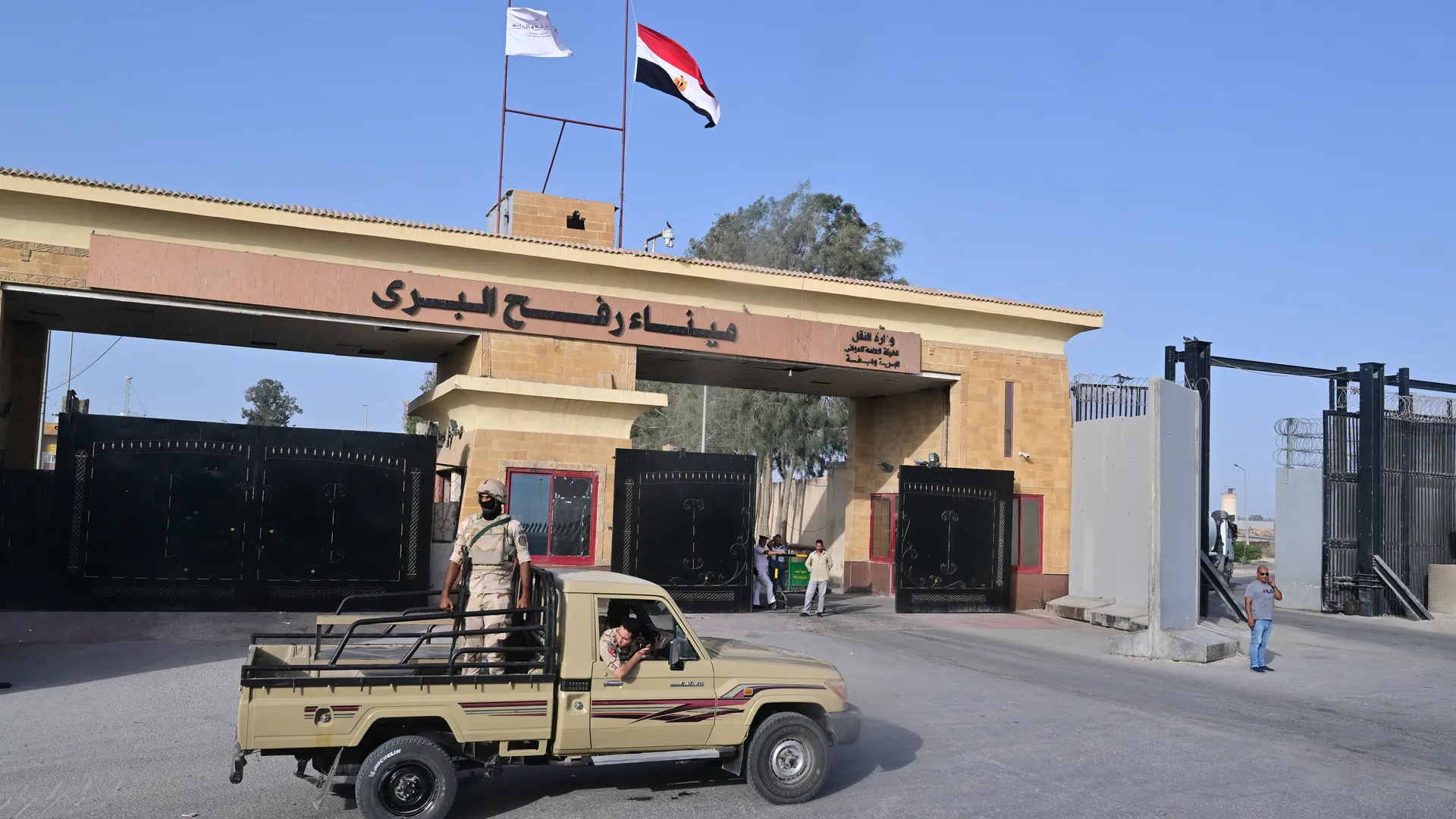
Cairo’s recent extension of a $35 billion gas deal with Israel through 2040 represents a landmark energy partnership, yet rising unrest in Gaza threatens to disrupt the stability of this critical supply route. While the agreement was hailed as a strategic milestone for both nations, geopolitical tensions and security concerns now cast uncertainty over the long-term reliability of gas flows.
The Gas Deal and Its Strategic Importance
The Israel-Egypt gas agreement, initially signed in 2020, involves Israel supplying natural gas to Egypt over two decades, with revenues projected at $35 billion. The extension of the deal underscores several strategic priorities:
- Energy Security – Egypt benefits from a stable supply of gas to meet domestic consumption and support its growing energy exports.
- Revenue Generation – Israel secures a long-term buyer for its gas production, reinforcing the economic viability of its offshore fields.
- Regional Cooperation – The deal symbolizes a rare example of sustained economic partnership in a historically tense region.
Officials in Cairo emphasized the importance of continuity, citing the deal as a cornerstone for regional energy stability and economic growth.
Gaza Tensions Threaten Supply Stability
Despite the agreement’s promise, the volatile situation in Gaza poses real risks to its implementation:
- Security of Transit Routes – Pipelines and infrastructure connecting Israel and Egypt run near conflict-prone areas, making them susceptible to disruption.
- Military Escalations – Periodic flare-ups between Israel and Hamas could threaten energy exports, either through direct attacks or precautionary shutdowns.
- Political Pressure – Rising unrest increases scrutiny from regional and international actors, potentially influencing operational decisions and investment confidence.
Analysts warn that even short-term disruptions could trigger cascading effects on energy markets and regional economic stability.
Economic and Geopolitical Implications
The gas deal has broader consequences beyond immediate energy supply:
- Regional Energy Market Impact – Egypt relies on gas imports for both domestic use and liquefied natural gas (LNG) exports, meaning any interruption could affect global markets.
- Investor Confidence – Political instability can influence investment in energy infrastructure, delaying expansions or upgrades necessary for efficient supply.
- Diplomatic Relations – Sustaining the gas flow requires careful management of Israel-Egypt relations amid wider regional tensions.
- Energy Transition Challenges – Both nations face pressure to balance fossil fuel reliance with renewable energy commitments, complicating long-term planning.
Egypt’s Strategic Calculations
Egypt has sought to position itself as a regional energy hub, leveraging its LNG facilities and strategic location. The extension of the gas deal aligns with several goals:
- Securing Long-Term Energy Supply – Ensuring stable gas flows supports domestic consumption and energy exports to Europe and Asia.
- Economic Growth – Revenues from the deal are critical for state finances, energy projects, and infrastructure development.
- Regional Leverage – Egypt can use the agreement to strengthen its influence in Middle Eastern energy politics and maintain relevance in global energy markets.
However, Cairo must navigate the risks of operational disruption while addressing security concerns along the Israel-Gaza-Egypt corridor.
Israel’s Perspective
For Israel, the deal provides financial certainty and strategic leverage:
- Revenue Stream – Long-term gas exports to Egypt support continued development of offshore fields, such as Leviathan and Tamar.
- Regional Partnerships – Strengthening economic ties with Egypt helps Israel advance broader regional cooperation, including in security and infrastructure.
- Risk Management – Israel must weigh the benefits of revenue against potential disruptions caused by conflicts in Gaza and regional volatility.
Looking Ahead
The $35 billion Israel-Egypt gas deal highlights the intersection of energy, security, and geopolitics in the Middle East. While both nations have demonstrated commitment to long-term collaboration, the risks posed by Gaza unrest remain significant:
- Pipeline Security and Maintenance – Ongoing protection of infrastructure is essential to prevent supply interruptions.
- Diplomatic Coordination – Sustained engagement with regional actors is critical to mitigate risks from local conflicts.
- Market Flexibility – Both nations may need contingency plans to maintain energy exports and meet domestic demand amid potential disruptions.
Analysts stress that the deal’s success will hinge on balancing economic interests with security realities, requiring constant vigilance and coordination between Israel, Egypt, and regional stakeholders.
Conclusion
Cairo’s extension of the Israel-Egypt gas deal to 2040 represents a milestone in regional energy cooperation, promising billions in revenue and a stable supply of natural gas. Yet escalating tensions in Gaza underscore the fragility of this partnership, illustrating how geopolitical instability can directly impact energy security and economic planning.
As both nations navigate these challenges, the world will watch closely to see whether this landmark agreement can withstand regional turbulence and serve as a model for energy collaboration in a volatile Middle East. For related coverage, see Panama Canal Sees Soaring US Crude Shipments as Asian Buyers Navigate Global Tensions and Taiwan Approves Substantial Defense Budget Amid Rising Regional Tensions with China.
Related articles: Panama Canal Sees Soaring US Crude Shipments as Asian Buyers Navigate Global Tensions, Taiwan Approves Substantial Defense Budget Amid Rising Regional Tensions with China, South Korean Ship Ablaze in Strait of Hormuz as Trump Points to Iranian Attack, Representative Kiley Emphasizes Iran Must Not Attain Nuclear Weapons Capability



Sponsored Content

Sponsored Content