
Washington’s $8 Billion Blind Spot as Long COVID Costs Mount Without a National Strategy

The economic shadow cast by long COVID is quietly expanding, projected to exceed $8 billion between 2025 and the end of 2027, even as official attention appears to wane. This estimate, derived from a computational simulation model detailed in the Journal of Infectious Diseases in 2025 by a team of artificial intelligence, computational modeling, public health, and infectious disease experts, underscores a growing financial burden that impacts both individuals and the broader economy. Despite headlines becoming less frequent than in the pandemic’s initial years, the more than 44 million Americans who have reported long COVID symptoms, a number still climbing, continue to grapple with persistent health challenges.
A single case of long COVID, characterized by symptoms such as fatigue, shortness of breath, and headaches lasting over three months, could cost the U.S. an average of $9,906 to $11,646 annually. This figure escalates significantly for more severe cases, with productivity losses accounting for over 90% of these financial impacts. The implications for employers nationwide are substantial, as the workforce continues to feel the effects of this ongoing health crisis. Researchers modeled various scenarios, considering that between 6% and 20% of individuals infected with COVID-19 might develop long COVID. Even at the most conservative end of this range, with symptoms lasting only a year, the annual cost reaches $2.01 billion, climbing to $3.4 billion if 10% of cases result in long COVID.
The $8 billion projection for 2025-2027 assumes a 6% incidence rate of long COVID with symptoms persisting for up to three years. This figure is likely a conservative one, given that many individuals who developed long COVID years ago are still experiencing symptoms with no clear end in sight. Furthermore, evidence suggests that long COVID remains underdiagnosed and underreported, meaning the actual numbers, both in terms of affected individuals and economic cost, could be considerably higher. The absence of effective cures means treatment largely revolves around managing symptoms, and the long-term trajectory of these conditions remains uncertain.
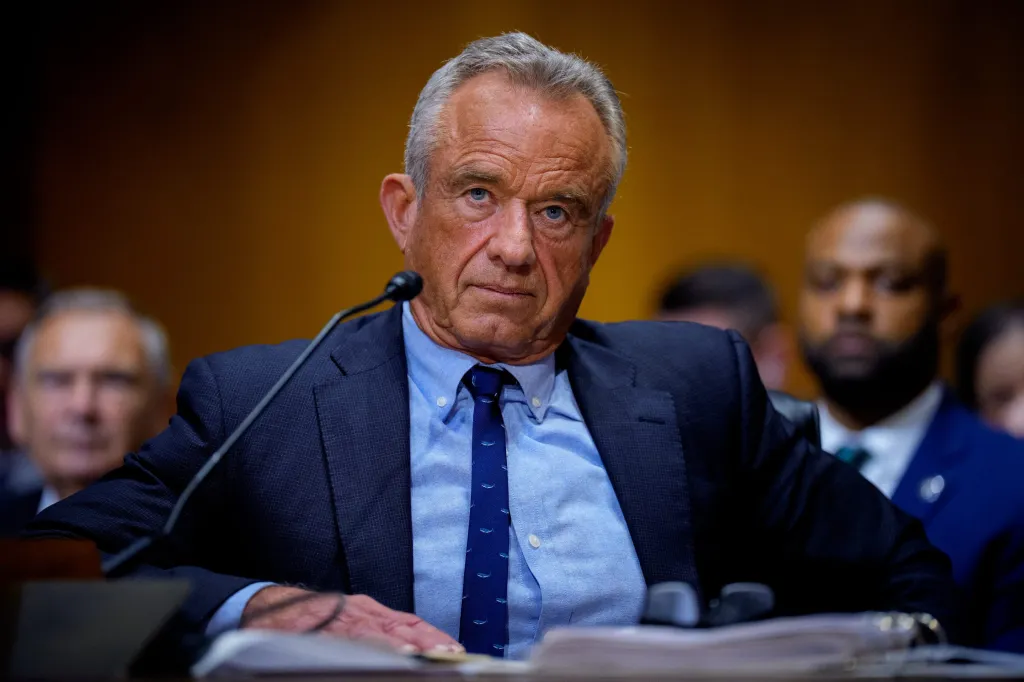
Compounding the issue is a severe shortage of specialized long COVID treatment clinics, struggling to meet existing demand. This infrastructure gap exists even as the U.S. appears to be retreating from efforts to manage the condition effectively. Notably, in 2025, during what was described as massive funding cuts in President Donald Trump’s second term, the Department of Health and Human Services shuttered the Office of Long COVID Research after just two years. Concurrently, the National Institutes of Health terminated various funding initiatives aimed at investigating potential pathways and treatments for long COVID, further diminishing the country’s capacity to address the crisis.
The current landscape reveals no clear national strategy for managing long COVID, or even COVID-19 in general, moving forward. Recommendations regarding face mask use, indoor air quality measures, and annual vaccination guidelines have often been ambiguous and subject to frequent changes since 2021. Such recommendations and regulations have also varied significantly across different organizations and state lines, creating a fragmented response. Without a cohesive and sustained approach, the number of individuals living with long COVID is almost certain to increase, ensuring that those with persistent symptoms will continue to suffer and impose significant costs on society. The financial data alone presents a compelling argument for renewed focus and strategic action.
Previous Post
Next Post
Sponsored Content

Sponsored Content