
Panama Canal Sees Soaring US Crude Shipments as Asian Buyers Navigate Global Tensions

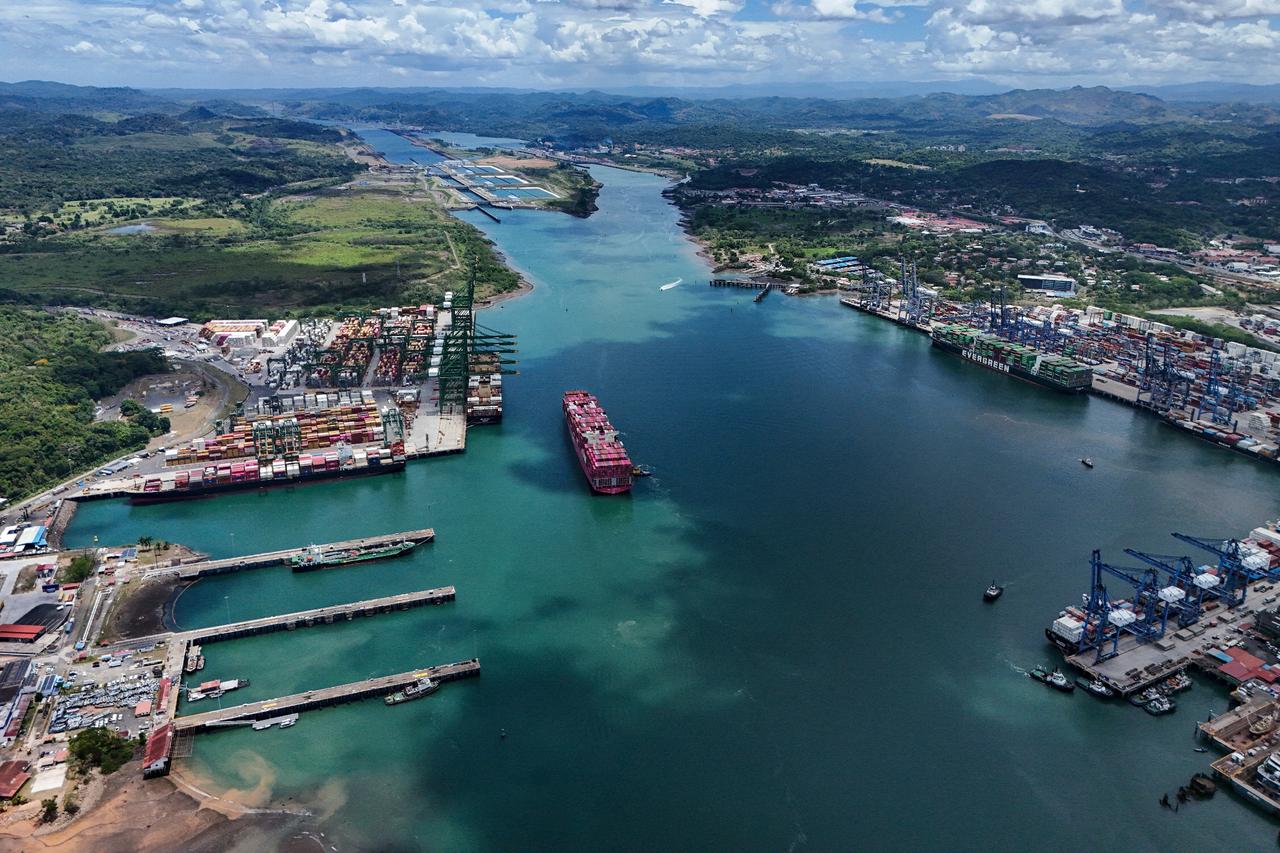
The narrow, man-made channel connecting two oceans has become an increasingly vital artery for global energy markets, particularly in recent months. Data from April reveals a significant surge in crude oil and petroleum product transit through the Panama Canal, with volumes climbing more than 70% above figures from the previous year. This dramatic uptick underscores a broader recalibration in international trade routes, driven by geopolitical instability and the strategic necessity of maintaining energy supply lines.
This shift is not occurring in isolation; it is intricately linked to developments in other critical maritime chokepoints. The effective closure of the Strait of Hormuz, a consequence of heightened tensions in the Persian Gulf, has compelled Asian economies to seek alternative sources for their substantial energy demands. Faced with an unpassable Hormuz, these buyers have increasingly turned their gaze westward, specifically towards the United States. This redirection of trade has, in turn, placed considerable pressure on the Panama Canal’s existing infrastructure, which operates with inherent daily limitations on the number of vessels it can accommodate.
The logistical implications of this rerouting are substantial. The Panama Canal, while a marvel of engineering, was not designed to handle an indefinite increase in traffic, especially for large tankers carrying crude oil. Each day, a finite number of transit slots are available, a constraint that now forces shipping companies to vie for passage. This competition for limited capacity invariably introduces delays and potentially higher shipping costs for commodities, factors that ultimately trickle down through the supply chain to consumers. The ongoing situation highlights the delicate balance between global energy demand, geopolitical realities, and the physical constraints of critical infrastructure.
For Asian economies, securing a consistent supply of crude oil remains a paramount concern. The reliance on U.S. crude, facilitated by the Panama Canal, illustrates a strategic diversification away from traditional Middle Eastern sources when those routes become too risky or entirely inaccessible. This move is not merely a short-term reaction but could signal a more enduring shift in global energy procurement strategies, potentially strengthening trade ties between the Americas and Asia. Such a reorientation has long-term implications for energy security and international trade dynamics, reshaping established patterns that have defined the industry for decades.
The increased traffic through the canal also brings into focus the broader network of maritime trade and its vulnerabilities. Any disruption, whether from conflict or natural disaster, in one key waterway can send ripples across the entire system, necessitating complex and often costly adjustments. The present scenario serves as a potent reminder of the interconnectedness of global energy markets and the critical role played by maritime passages like the Panama Canal in ensuring the flow of essential resources. As global dynamics continue to evolve, the strategic importance of these chokepoints will only intensify, demanding ongoing attention to their capacity, security, and resilience.
Related articles: Taiwan Approves Substantial Defense Budget Amid Rising Regional Tensions with China, South Korean Ship Ablaze in Strait of Hormuz as Trump Points to Iranian Attack, Representative Kiley Emphasizes Iran Must Not Attain Nuclear Weapons Capability, Donald Trump Threatens South Korea With Higher Tariffs Amid Investment Pledge Review


Sponsored Content

Sponsored Content