
Representative Kiley Emphasizes Iran Must Not Attain Nuclear Weapons Capability

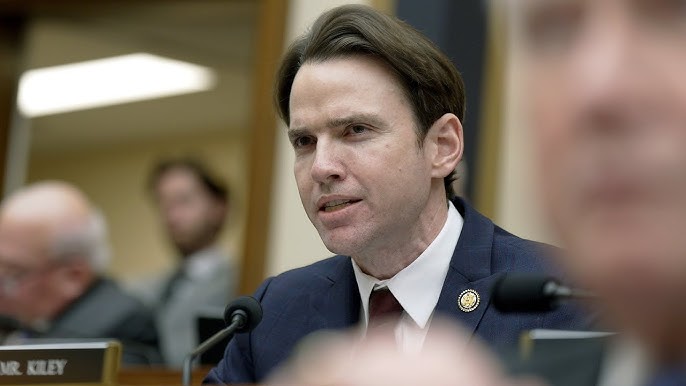
The imperative to prevent Iran from developing a nuclear weapon remains a central concern for many policymakers, a sentiment recently articulated by Representative Kevin Kiley. His remarks underscore a persistent geopolitical challenge that has spanned multiple administrations and continues to shape international diplomacy. The prospect of a nuclear-armed Iran introduces a complex dynamic into an already volatile region, prompting discussions on strategies ranging from stringent sanctions to diplomatic engagement and military deterrence.
Discussions surrounding Iran’s nuclear ambitions are not new, dating back to revelations concerning its clandestine nuclear program. Over the years, the international community, through bodies like the International Atomic Energy Agency (IAEA) and the United Nations, has sought to monitor and restrict Iran’s nuclear activities. The 2015 Joint Comprehensive Plan of Action (JCPOA), commonly known as the Iran nuclear deal, represented a multilateral effort to achieve this objective by placing verifiable limits on Iran’s nuclear program in exchange for sanctions relief. However, the United States’ withdrawal from the agreement in 2018 under the previous administration reignited debates about the most effective path forward.
Representative Kiley’s statement reflects a viewpoint held by many who believe that Iran’s current trajectory, particularly its enrichment of uranium to higher purities, brings it closer to a breakout capability. This term refers to the theoretical time it would take for a state to produce enough weapons-grade fissile material for a nuclear device. Concerns are frequently voiced that such a development could trigger a regional arms race, compelling other nations in the Middle East to pursue their own nuclear deterrents, thereby destabilizing the region further.
The economic pressures exerted through sanctions have been a primary tool in attempts to curb Iran’s nuclear program and its support for various proxy groups across the Middle East. While these measures have undeniably impacted the Iranian economy, their effectiveness in fundamentally altering the nation’s nuclear policy remains a subject of ongoing debate. Critics of sanctions often point to the humanitarian impact on the Iranian populace and question whether they truly achieve their stated strategic goals, sometimes suggesting they may even embolden hardliners within the Iranian government.
Conversely, proponents of a firm stance, like Representative Kiley, often argue that robust pressure is the only way to compel Iran to negotiate seriously and abandon its nuclear weapons aspirations. They frequently highlight Iran’s ballistic missile program and its regional activities as further reasons for sustained vigilance and pressure, viewing these elements as interconnected threats to global security. The challenge lies in finding a balance between applying pressure and leaving open diplomatic channels that could lead to a verifiable and lasting resolution.
The diplomatic landscape surrounding Iran is perpetually shifting, with various international actors advocating for different approaches. European nations, for instance, have often sought to preserve the JCPOA, believing it to be the most effective mechanism for monitoring and constraining Iran’s nuclear activities. The Biden administration has expressed a willingness to return to the deal, but only if Iran complies with its original commitments, indicating a desire to re-engage diplomatically while maintaining a firm stance on proliferation.
Ultimately, the goal of preventing Iran from acquiring a nuclear weapon remains a bipartisan objective in many countries, though the methods to achieve it frequently differ. The ongoing international dialogue, coupled with strategic considerations and regional dynamics, continues to define the complex path toward addressing this critical security concern. The stakes are high, and the potential ramifications of a nuclear-armed Iran extend far beyond the immediate region, influencing global stability and non-proliferation efforts for decades to come.
Related articles: Panama Canal Sees Soaring US Crude Shipments as Asian Buyers Navigate Global Tensions, Taiwan Approves Substantial Defense Budget Amid Rising Regional Tensions with China, South Korean Ship Ablaze in Strait of Hormuz as Trump Points to Iranian Attack, Donald Trump Threatens South Korea With Higher Tariffs Amid Investment Pledge Review
Previous Post
Next Post
Sponsored Content

Sponsored Content