
Trump White House Details Billions Lost as Nations Bypass US Tariffs, Citing China’s Role in “Transshipment Scam”

US Customs and Border Protection has begun deploying artificial intelligence in a pilot program aimed at curbing a practice the White House claims is costing the nation billions in lost tax revenue. A new report from the Trump White House on Thursday estimated that between $19 billion and $26 billion is siphoned away annually as countries reroute exports through third nations to bypass American tariffs. This strategy, known as transshipment, has become a significant point of contention, particularly concerning China.
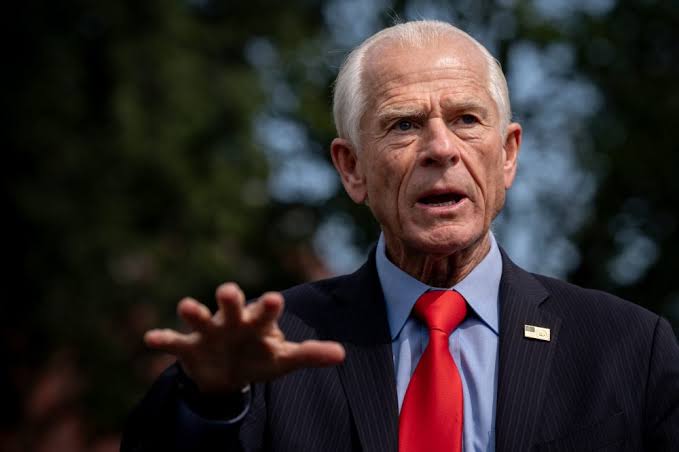
Peter Navarro, the White House trade adviser, spoke to reporters on a conference call, asserting that China is “laundering its exports” through more than 40 countries. Navarro characterized the issue as a broader problem involving other nations enabling this tariff avoidance. “For years, the great transshipment scam has let communist China launder its exports,” he stated, highlighting the long-standing nature of the practice. The report, which precedes a planned September visit by Chinese leader Xi Jinping, indicates that Beijing responded to increasing duties in 2018 by sending goods to intermediaries like Mexico and Malaysia for packaging and limited assembly.
This intricate dance of global trade has allowed China to sustain growth in its manufacturing sector, potentially threatening American firms and jobs, while simultaneously creating a deceptive impression that US imports from China had diminished. Despite Beijing’s characterization of its relationship with Washington as one of “strategic stability,” its policies supporting manufactured goods exports have, according to the White House, destabilized key sectors like automotive, metals, and electronics in the US, Europe, and Japan. The administration’s report cites a wide range of estimates for the scale of goods being transshipped to avoid tariffs, drawing on both government and private sector figures. These estimates span from approximately $34.2 billion to $303 billion worth of goods annually, with a central figure of $75 billion used to calculate the specific tax revenue losses.
Navarro also warned that other nations, including India, might potentially engage in similar transshipment tactics to evade new duties. He indicated that the Trump administration’s forthcoming trade frameworks would incorporate explicit clauses designed to impose consequences on trading partners found participating in such practices. The White House adviser further elaborated on the potential repercussions for individual importers, noting that if an importer is found to have falsified the provenance of a commodity, they could face retroactive tariffs stretching back about a year.
The Trump administration has notably imposed substantial tariffs across a broad spectrum of global trade partners, affecting both allies and rivals, with the stated aim of safeguarding American manufacturers. While these measures have aimed to rebalance trade, they have also introduced new inflationary pressures domestically. Despite these efforts, the US continues to import more than it exports globally. However, the trade imbalance recorded so far this year stands at $371 billion, a figure approximately $189 billion lower than during the same period last year, suggesting some shifts in the complex dynamics of international commerce.

Sponsored Content

Sponsored Content