
Warren Buffett Ends His Berkshire Hathaway Chairman Role, Handing Reins to Son Howard

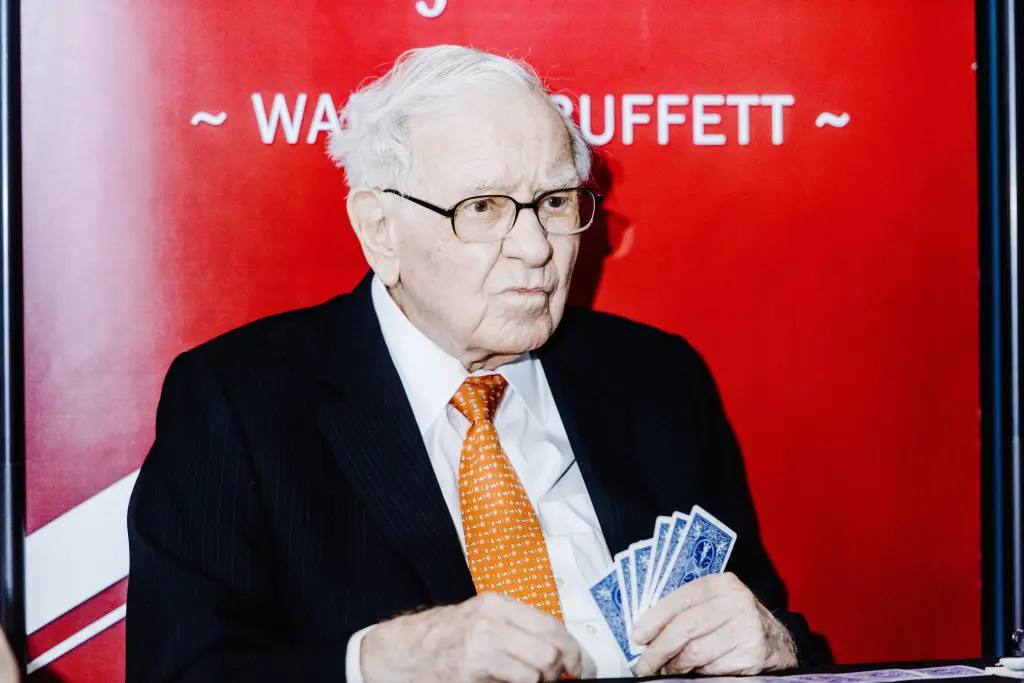
Warren Buffett, the investment titan whose name has become synonymous with Berkshire Hathaway, has stepped down as the conglomerate’s chairman, a move announced on Friday that further pares back his direct involvement in the company’s daily operations. At 96 years old, Buffett referenced the relentless march of time in his letter to shareholders, noting that a great-grandchild, just one year old, is “moving a bit faster than I am these days.” This transition elevates his son, Howard Buffett, to the chairman position, a long-planned succession intended to safeguard the company’s distinctive culture and values.
The shift, effective immediately, marks a more abrupt change than his earlier relinquishing of the CEO role to Greg Abel. Buffett had officially handed the chief executive duties to Abel in January, following an announcement made in May 2025. While he will remain a director on the board, the chairman emeritus title signifies a new phase in his storied career. Susan Decker, the company’s lead independent director, will continue in her role. Buffett expressed confidence in the current leadership, stating the company is “in excellent hands” and that he looks forward to remaining a shareholder.
Greg Abel’s tenure as CEO has already seen significant activity, particularly in deploying Berkshire’s substantial cash reserves. For years, Buffett had lamented the scarcity of attractive investment opportunities due to what he perceived as sky-high valuations. Abel, however, has begun to put that capital to work. Earlier this year, Berkshire acquired $10 billion worth of shares in Alphabet, Google’s parent company, and an $8.5 billion deal was struck to acquire homebuilder Taylor Morrison. These moves signal Abel’s decisive leadership, which Buffett acknowledged, noting Abel is now “calling the shots without any second-guessing.”
The decision to appoint Howard Buffett as chairman aligns with a long-held strategy to ensure Berkshire’s unique ethos endures. Buffett outlined his son’s role as one of cultural stewardship, stating, “Greg runs the company; Howard will guard its culture and values — both worth more than anything on our balance sheet.” Howard, 71, has served on Berkshire’s board for 33 years, a period his father highlighted as a longer apprenticeship than his own before becoming CEO at 34. This emphasis on cultural preservation underscores the belief that Berkshire’s long-term success is tied not just to financial acumen but to its foundational principles.
Howard and his two siblings are also central to the distribution of their father’s immense fortune, estimated at $145 billion by the Bloomberg Billionaires Index. While earlier ambitions for a single, sweeping philanthropic plan did not materialize as expected, Buffett has opted to channel most of his remaining wealth to his children’s charitable foundations. This structure allows them to collectively disburse approximately $500 million annually, reflecting his conviction that “ruling from the grave does not have a great record.” Howard, alongside his siblings, has spoken publicly about their philanthropic endeavors, particularly the complexities of addressing poverty in regions where rule of law is compromised, such as Congo or Sudan, emphasizing that economic opportunity alone is insufficient without addressing fundamental governance issues.
The market’s immediate reaction to the news was subdued, with Berkshire’s class B shares dipping 0.3% on Friday. The stock has seen a 1% gain year-to-date, trailing the S&P 500’s 11.5% rise, as investor focus has largely shifted towards AI-driven growth stocks. This transition marks a significant moment for Berkshire Hathaway, signaling the continued evolution of leadership while striving to maintain the core principles that have defined the conglomerate for decades.
Previous Post
Next Post

Sponsored Content

Sponsored Content