
Japan Signals Breakthrough in $550 Billion Investment Pact With the United States

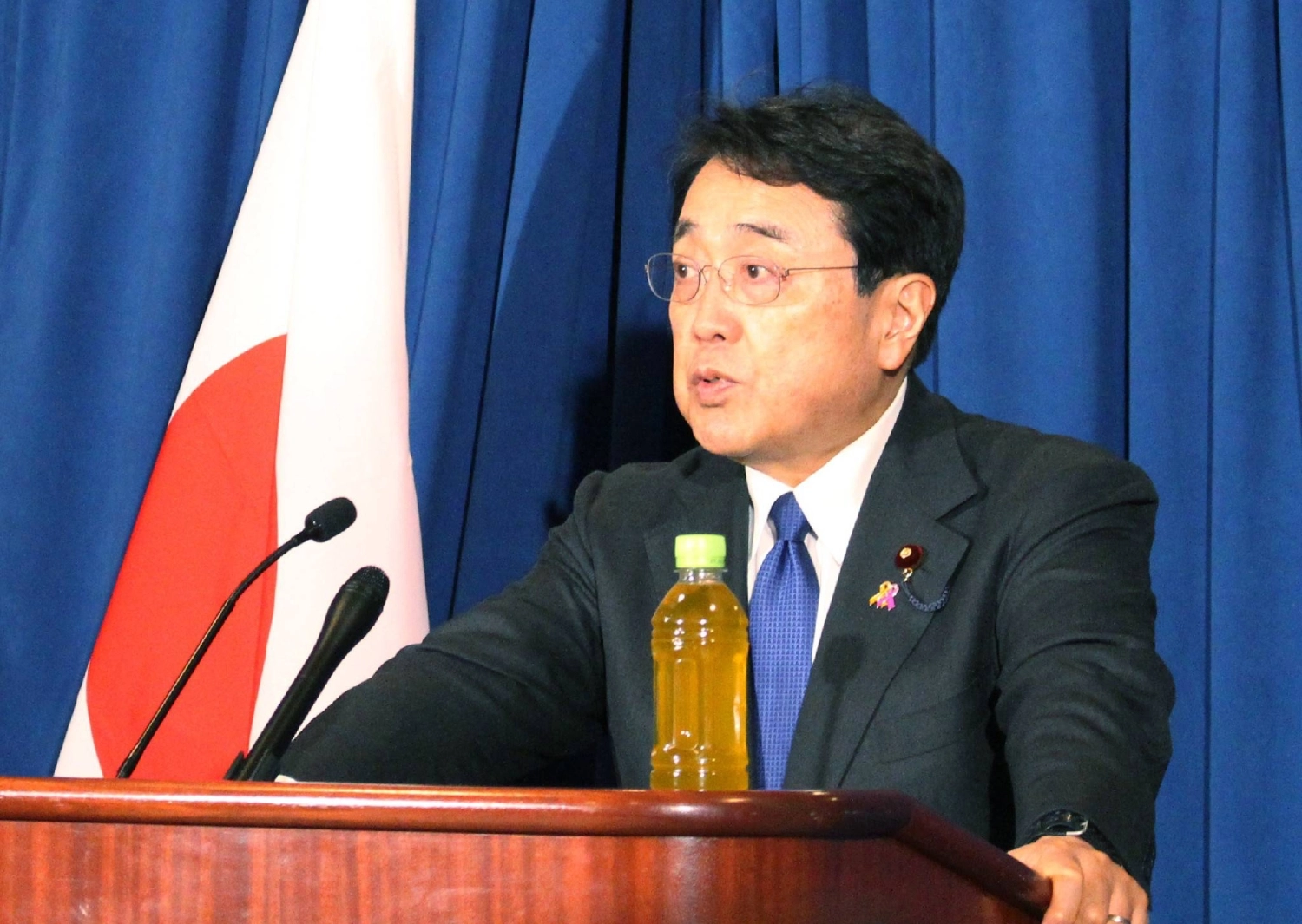
Officials in Tokyo have indicated significant strides are being made toward solidifying a substantial $550 billion investment pact with the United States, a development that could reshape economic ties between the two global powers. This proposed agreement, if finalized, aims to channel considerable capital into various sectors, fostering innovation and strengthening supply chains across both nations. The discussions have been ongoing, with both sides emphasizing the strategic importance of this economic alignment in an evolving global landscape.
The reported progress follows a series of high-level dialogues, underscoring a shared commitment to deepening economic cooperation. While specific details of the investment areas remain under wraps, initial reports suggest a focus on critical technologies, clean energy initiatives, and resilient infrastructure. These sectors are not only central to the economic growth strategies of both Japan and the United States but also represent areas where collaborative investment can yield substantial long-term benefits, mitigating risks associated with geopolitical shifts and supply chain vulnerabilities. The sheer scale of the proposed $550 billion figure suggests an ambitious and far-reaching agenda, moving beyond traditional trade agreements to encompass a more integrated investment framework.
For Japan, this pact represents a strategic move to secure access to advanced technologies and diversify its economic partnerships, particularly in the face of ongoing global economic uncertainties. Prime Minister Fumio Kishida’s administration has consistently advocated for robust international collaboration to bolster Japan’s economic resilience and competitiveness. The investment could provide a significant boost to Japanese industries seeking to expand their presence in the US market, while also attracting American innovation and capital into key Japanese sectors. This synergy is expected to create new jobs and stimulate economic activity on both sides of the Pacific.
Conversely, the United States stands to gain from increased Japanese investment in its own critical industries, particularly those identified as crucial for national security and economic independence. The Biden administration has prioritized strengthening alliances and friendshoring supply chains, and this pact aligns squarely with those objectives. Japanese expertise in manufacturing, robotics, and high-tech materials could prove invaluable as the US seeks to revitalize its industrial base and enhance its technological leadership. Such an influx of capital and technological know-how would not only support American businesses but also reinforce the broader economic security framework envisioned by Washington.
While the announcement of progress is positive, the intricacies of a $550 billion agreement mean that negotiations are likely to continue for some time. Legal frameworks, regulatory harmonizations, and specific project allocations will require meticulous attention from both Japanese and American negotiators. The challenge will lie in translating broad commitments into concrete, actionable investment projects that deliver tangible benefits for businesses and citizens in both countries. Observer organizations and financial markets will be closely watching for further announcements, particularly regarding the timelines for implementation and the initial sectors slated for investment.
The potential implications extend beyond mere economic figures. A successful culmination of this investment pact could serve as a powerful testament to the enduring strength of the Japan-US alliance, demonstrating how strategic economic cooperation can complement and reinforce traditional security partnerships. It could also set a precedent for how developed nations navigate an increasingly complex global economic environment, prioritizing mutual growth and resilience through targeted, large-scale investment initiatives. The path forward involves careful deliberation, but the stated progress indicates a shared vision for a more integrated and prosperous economic future between these two vital allies.