

US War with Iran Nears $40 Billion Mark as CBO Warns of Depleted Munitions and Economic Strain

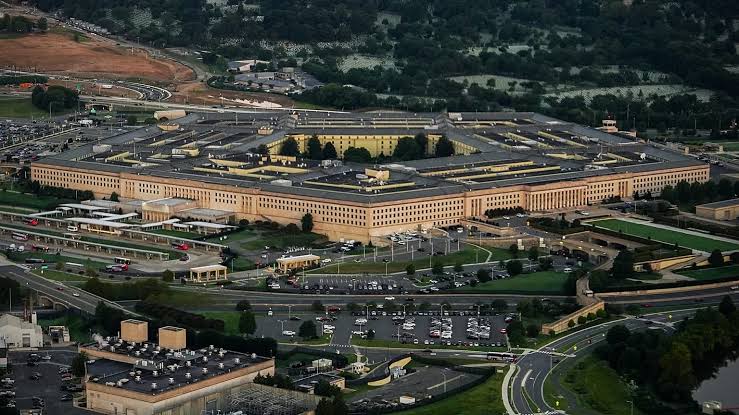
The financial toll of the United States’ conflict with Iran has surpassed $38 billion, according to an assessment released by the Congressional Budget Office. This figure covers the costs incurred by the Department of Defense from the start of hostilities on February 28 through August 1, a span of just over five months. While the CBO acknowledged its estimates carried “considerable uncertainty” due to a lack of direct input from the Defense Department, relying instead on government databases and public reports, the amount broadly aligns with a $37.5 billion estimate offered by Defense Secretary Pete Hegseth in July.
A significant portion of this expenditure, approximately $21.7 billion, has been directed towards replacing munitions. This substantial outlay points to an intense operational tempo and consumption of materiel. Beyond the immediate financial impact, the CBO also highlighted a more strategic concern: the depletion of critical missile-defense interceptors. Their analysis suggests that the US has likely expended between half and two-thirds of its inventory of these weapons since June 2025, a rate of consumption that could leave stocks diminished for several years. This assessment was echoed by a Pentagon inspector general report on Monday, which specifically warned of “strategic inventory shortfalls” within Operation Epic Fury, the name given to the US-led military campaign against Iran.
The economic ramifications extend beyond direct military spending. The CBO report also noted the broader impact on the US economy, particularly through heightened energy costs. Disruption to oil and gas shipments navigating the critical Strait of Hormuz and Red Sea has been identified as a primary driver behind these rising expenses, affecting consumers and businesses alike. These indirect costs underscore the pervasive reach of the conflict far beyond the battlefield.
Representative Brendan Boyle, the ranking Democrat on the House Budget committee, requested the CBO’s information, and he did not mince words in his reaction to the findings. Boyle criticized the financial burden, stating that the “nonpartisan CBO report makes clear that the war has also cost American taxpayers tens of billions of dollars and counting, while continuing to drive up costs.” He drew a direct comparison to domestic spending priorities, contrasting the readiness to fund military operations with perceived reluctance to address needs at home. “Donald Trump and Republicans have spent years telling Americans that we cannot afford to help families here at home,” Boyle asserted in a statement, “but apparently they can find tens of billions of dollars, and potentially much more, for a reckless war that is leaving Americans to pay the price.”
The White House, in June, sought an additional $87.6 billion in supplemental funding, a substantial portion of which was earmarked for the ongoing war effort. As of now, Congress has not approved this request, leaving open questions about future funding and the trajectory of the conflict’s financial demands. The CBO’s latest figures provide a stark snapshot of the immediate costs and potential long-term challenges, from depleted arsenals to a strained national economy.
Related Posts


Previous Post
Next Post

Sponsored Content

Sponsored Content