
Nations Go Quiet on ICC as Trump Escalates Attacks on the Court

A Nikkei analysis of United Nations General Assembly speeches finds the International Criminal Court was absent from roughly 90% of addresses, as governments tread carefully amid U.S. hostility.
The International Criminal Court is becoming a diplomatic orphan. With the United States under President Donald Trump stepping up its criticism of the tribunal, many governments that once spoke up for international justice have gone quiet.
A Nikkei review of speeches at the latest United Nations General Assembly found the ICC mentioned in only about one in ten addresses. The absence is striking at a time when the court is under pressure from Washington, which has sanctioned its officials and questioned its authority over American citizens and allies.
A chill across the assembly
The silence is not accidental. Countries that rely on U.S. security guarantees, trade access, or diplomatic support are calculating that openly backing the ICC is no longer cost-free. The Trump administration has made clear it views the court as a threat to American sovereignty and has taken steps to punish those it accuses of targeting U.S. interests.
Even some European governments, traditionally strong supporters of the ICC, have tempered their rhetoric. The fear is that defending the court too loudly could invite tariffs, aid cuts, or other retaliation at a moment when transatlantic relations are already strained.
A rare joint warning
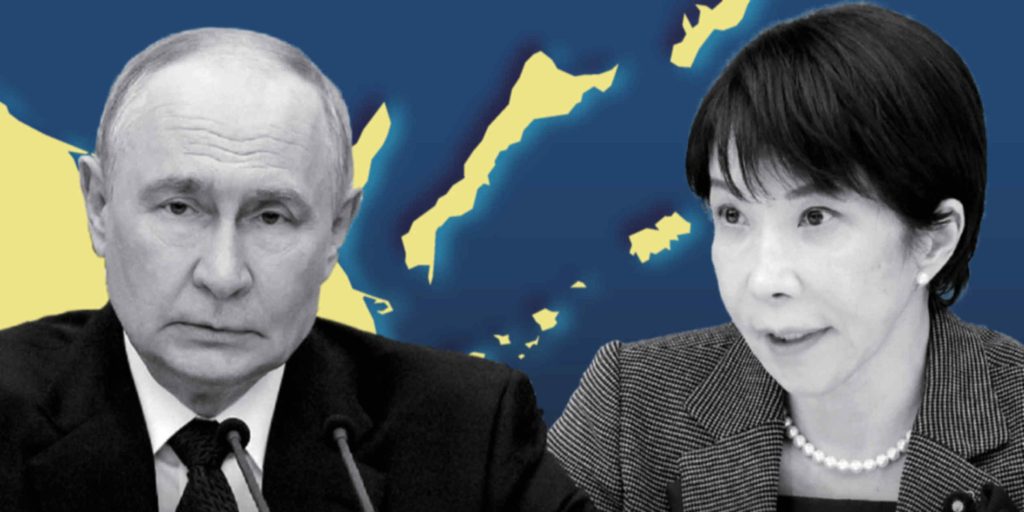
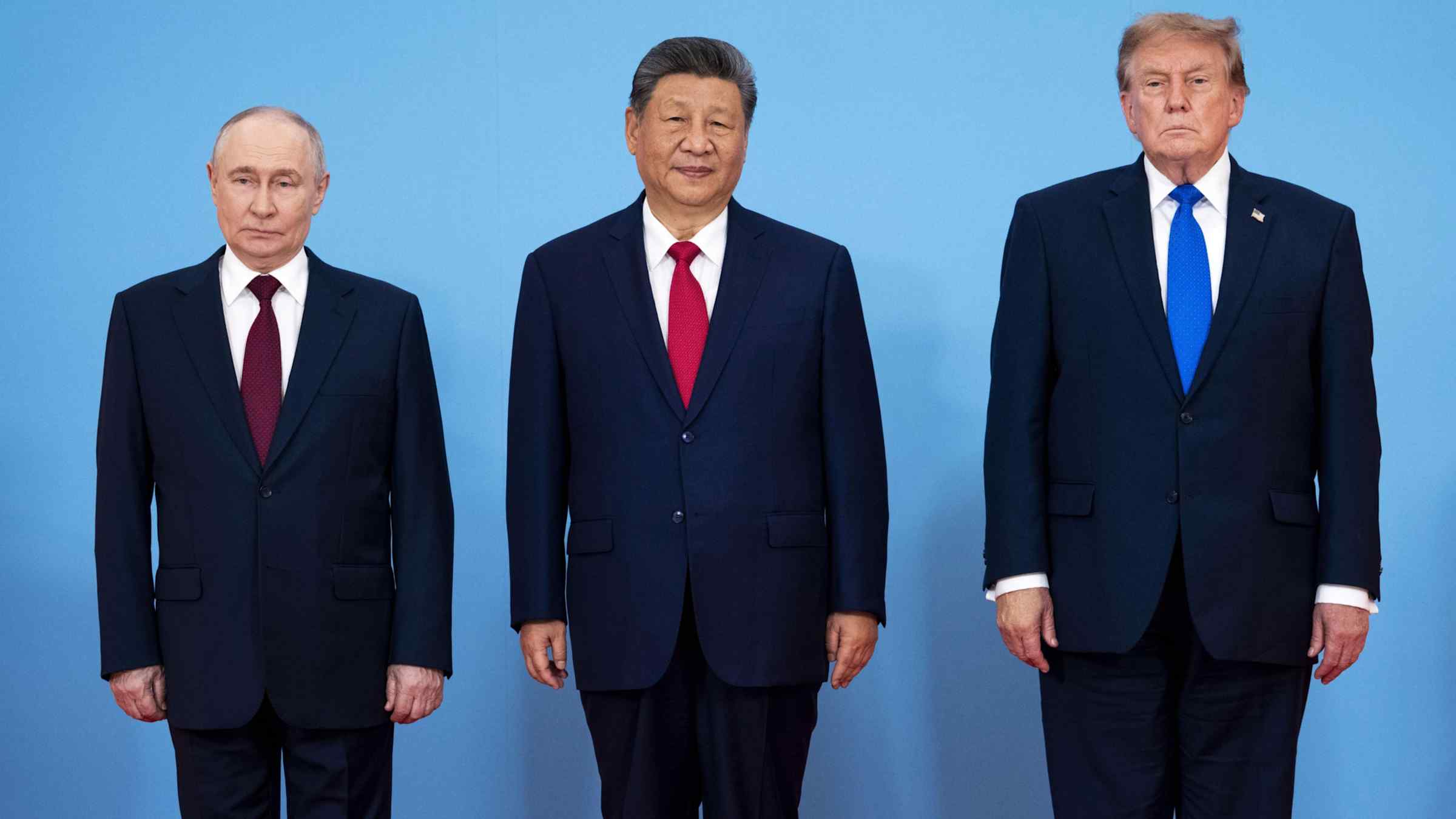
The shift was underscored by an unusual statement from the leaders of the United States, Russia, and China. Donald Trump, Vladimir Putin, and Xi Jinping warned the ICC not to overreach, a rare moment of alignment among three powers that agree on little else.
The statement reflects a shared interest in limiting the court’s reach. All three countries have rejected the ICC’s jurisdiction over their own citizens or territories, and all have faced scrutiny from prosecutors in The Hague. For authoritarian and populist leaders alike, the court represents an external check on power that they would prefer to weaken.
Rule of law without cheerleaders
The muted support for the ICC does not mean the rule of law has lost adherents. Many speeches still stressed the importance of international law, accountability, and multilateral institutions. But those commitments are increasingly expressed in abstract terms rather than through explicit backing for the court that is supposed to enforce them.
The disconnect matters for global business and markets. International legal frameworks underpin cross-border contracts, investment treaties, and sanctions regimes. If the institutions charged with upholding those frameworks are starved of political support, the predictability that companies depend on erodes.
What comes next
The ICC's prosecutors are unlikely to halt their work because of diplomatic pressure. Ongoing cases involving Gaza, Ukraine, and Africa will continue. But the court's ability to secure arrests, secure funding, and assert legitimacy depends on the willingness of states to cooperate.
For now, that willingness is in retreat. Governments are choosing caution over principle, and the court is left to operate in a climate where its most powerful members are either hostile or silent.