
Iran Considers New American Diplomatic Overture, Regional Implications Loom

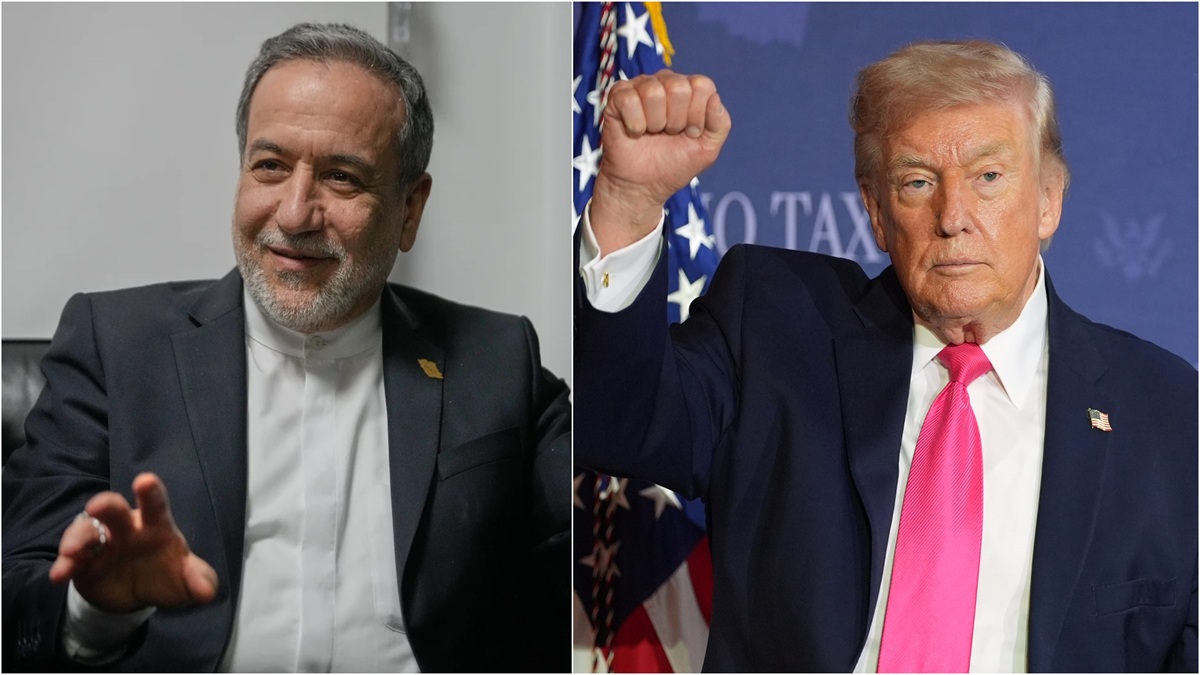
Tehran is currently engaged in a comprehensive review of the latest peace proposal put forth by the United States, a development that signals a critical juncture in the long-standing diplomatic dance between the two nations. Officials within the Iranian foreign ministry confirmed the receipt of the detailed document, indicating that various governmental bodies are now scrutinizing its contents. This evaluation process is expected to be thorough, involving not only political leadership but also security and economic experts, given the multifaceted nature of the proposals and their potential impact on Iran’s strategic interests.
The specifics of the American proposal have not been publicly disclosed by either side, maintaining a veil of diplomatic discretion around the sensitive negotiations. However, sources close to the discussions suggest the offer addresses key areas of contention that have historically hampered progress. These likely include aspects of Iran’s nuclear program, regional security dynamics, and the lifting of certain international sanctions. The careful consideration evident in Tehran’s response suggests that the American overture is perceived as significant enough to warrant a detailed internal assessment, rather than an immediate dismissal. This marks a subtle but important shift in the often-stalled dialogue.
For the United States, this latest proposal represents a continued effort to de-escalate tensions and potentially pave the way for a more stable relationship with Iran. The Biden administration has repeatedly articulated a preference for diplomatic solutions over confrontation, even while maintaining a robust stance on perceived threats from Tehran. Crafting an offer that Iran would even consider reviewing, rather than rejecting outright, speaks to a nuanced understanding of Iranian domestic politics and its red lines. The success of this diplomatic initiative hinges on finding common ground that respects the sovereignty and security concerns of both nations, a task that has proven exceptionally difficult in past negotiations.
The international community watches these developments with a mixture of hope and apprehension. Allies of the United States, particularly those in the Middle East, are keen to understand how any potential agreement might reshape regional security architectures. Similarly, European powers, who have often played a mediating role between Washington and Tehran, are likely observing the review process closely, ready to lend diplomatic support if a viable path forward emerges. The prospect of renewed dialogue, however tentative, offers a glimmer of hope that a less confrontational future might be achievable.
While the review is underway, public statements from both Iranian and American officials have remained cautiously optimistic, yet firm on their respective national interests. Iranian spokespersons have emphasized that any agreement must guarantee Iran’s rights and fully address its concerns, particularly regarding economic sanctions. Conversely, American officials have reiterated their commitment to preventing Iran from developing nuclear weapons and to curbing what they describe as destabilizing regional activities. The gap between these positions remains substantial, yet the willingness to engage in a detailed review of a peace proposal suggests that neither side has entirely closed the door on a diplomatic resolution. The coming weeks will likely provide more clarity on whether this latest effort can bridge the chasm that has separated these two nations for decades.
Related Posts
Previous Post
Next Post

Sponsored Content

Sponsored Content