
Erich Ferrari Navigates the Complex World of US Government Sanctions for His Clients

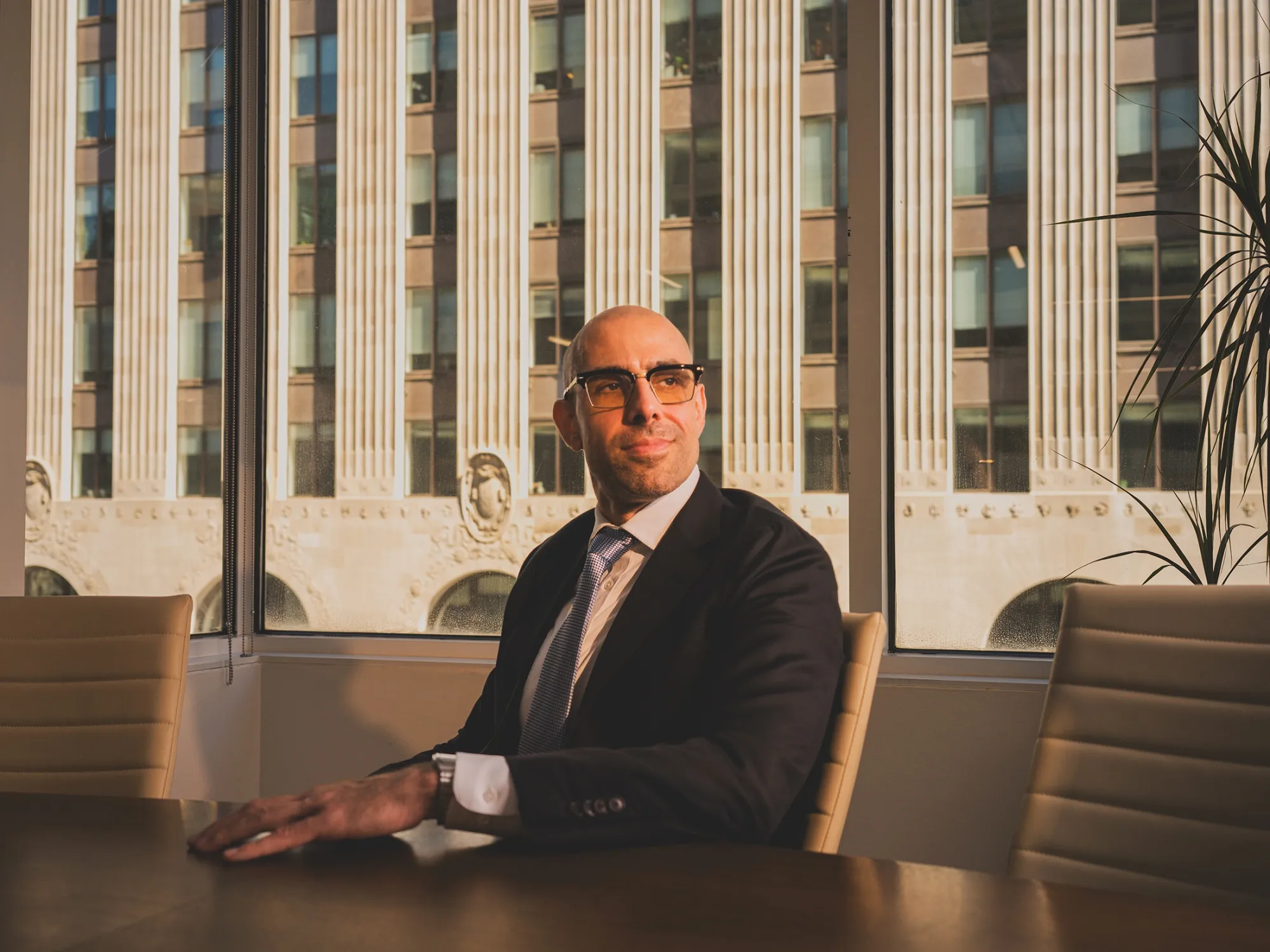
For individuals and entities caught in the intricate web of U.S. government sanctions, the path forward often appears daunting, if not entirely blocked. These measures, imposed by agencies like the Treasury Department’s Office of Foreign Assets Control (OFAC), can freeze assets, restrict travel, and sever financial ties, creating immediate and profound challenges. It is into this highly specialized and often opaque legal landscape that Erich Ferrari, a Washington D.C.-based attorney, has carved a unique niche, representing clients who find themselves on the wrong side of American foreign policy. His practice focuses exclusively on sanctions law, a field many general practitioners shy away from due to its complexity and the high stakes involved.
Ferrari’s clientele ranges from foreign corporations unknowingly entangled with sanctioned entities to individuals designated under various programs, including those related to terrorism, narcotics trafficking, or human rights abuses. His work often involves meticulous investigations into financial transactions, corporate structures, and geopolitical associations to understand how a client came to be sanctioned and, more critically, how they might be delisted or obtain specific licenses to conduct business. This process is rarely straightforward, demanding a deep understanding of ever-evolving regulations and the often-unwritten policies of OFAC.
One of the primary services Ferrari provides is assisting clients in applying for specific licenses from OFAC. These licenses can allow certain transactions or activities that would otherwise be prohibited, offering a lifeline to businesses or individuals whose operations have been paralyzed by sanctions. Securing such a license requires a compelling argument, backed by extensive documentation, demonstrating that the proposed activity aligns with U.S. foreign policy objectives or poses no threat to national security. It’s a precise legal dance, balancing the client’s immediate needs with the broader context of American diplomatic and economic strategy.
Beyond licensing, Ferrari also represents clients seeking to be removed from OFAC’s Specially Designated Nationals and Blocked Persons (SDN) List. This delisting process is arguably even more challenging, requiring a robust legal and factual case to persuade the government that the basis for the initial designation is no longer valid, or that the client has taken sufficient remedial actions. This might involve demonstrating a change in behavior, severing ties with sanctioned individuals or groups, or providing evidence that the original designation was based on erroneous information. The legal battles can be protracted, often spanning months or even years, and success is far from guaranteed.
The implications of being sanctioned extend far beyond financial restrictions. Reputational damage can be severe, making it difficult for individuals and businesses to operate internationally even if they eventually achieve delisting. Ferrari’s role often includes advising clients on compliance measures to prevent future sanctions, helping them navigate the treacherous waters of global commerce where geopolitical risks are an ever-present concern. His expertise offers a critical resource for those grappling with some of the most stringent and far-reaching legal penalties imposed by the United States government. In a world increasingly shaped by economic statecraft, his specialized practice highlights the growing demand for legal counsel adept at untangling these complex international restrictions.
Previous Post
Next Post
Sponsored Content

Sponsored Content