
ICICI Bank Joins Indian Lenders in Growing Pursuit of Dollar Funding, Reshaping Market Dynamics

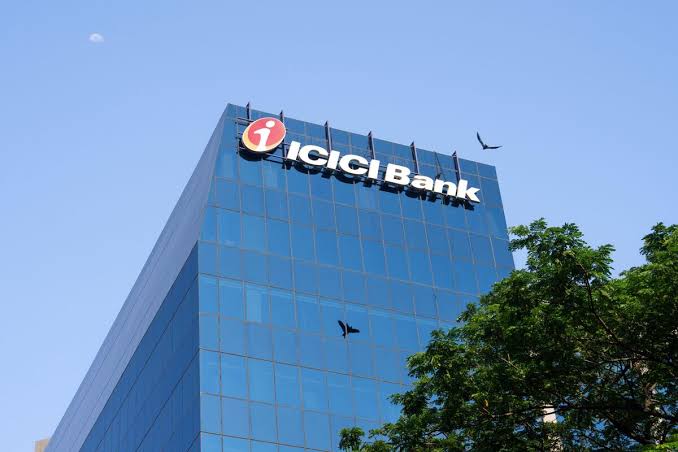
The pursuit of dollar-denominated loans by major Indian financial institutions, exemplified by ICICI Bank’s recent maneuvers, has intensified, signaling a notable shift in the country’s financing landscape. This trend, gaining momentum among several prominent Indian banks, reflects a strategic response to evolving domestic and international economic conditions, ultimately swelling demand for the greenback in the global financial markets. Their collective actions are not merely opportunistic but are driven by a confluence of factors, including the need to fund the expanding overseas operations of Indian corporations and to capitalize on more favorable interest rate differentials compared to rupee-denominated borrowing.
Historically, Indian banks have primarily focused on domestic rupee lending, with foreign currency requirements largely met through correspondent banking relationships or smaller syndicated facilities. However, the burgeoning global ambitions of Indian businesses, particularly in sectors like technology, manufacturing, and infrastructure, necessitate substantial foreign currency capital. These companies often require dollars to finance acquisitions abroad, fund international projects, or manage their import-export operations, prompting their banking partners to follow suit. By offering dollar loans, banks like ICICI can deepen their relationships with corporate clients and capture a larger share of the lucrative cross-border finance market.
The interest rate environment also plays a crucial role in this strategic pivot. While the Reserve Bank of India has maintained relatively higher interest rates to combat inflation and stabilize the rupee, global dollar rates, particularly those tied to benchmarks like SOFR (Secured Overnight Financing Rate), have at times presented a more attractive borrowing proposition. This differential allows Indian banks to potentially borrow dollars at a lower effective cost than rupees, even after accounting for hedging costs, and then lend them to clients. This arbitrage opportunity, though dynamic and subject to market fluctuations, provides a compelling incentive for financial institutions to expand their dollar books, diversifying their funding sources and enhancing their profitability margins.
Moreover, the increasing demand for dollar loans from Indian banks can also be seen as a measure of the growing confidence in India’s economic trajectory. As the nation continues its ascent as a global economic power, its corporations are becoming more integrated into international supply chains and capital markets. This integration naturally translates into a greater need for global currencies to facilitate transactions and investments. The banks, acting as critical intermediaries, are adapting their product offerings to meet this sophisticated demand, positioning themselves as comprehensive financial partners for India’s global enterprises.
This escalating demand for dollar funding from Indian lenders is not without broader implications for the global financial ecosystem. A sustained increase could contribute to greater liquidity in dollar markets but also potentially influence currency valuations and borrowing costs for other emerging market entities. For the Indian economy, it signifies a maturation of its financial sector, capable of supporting complex international operations. As ICICI Bank and its peers continue to expand their dollar-denominated offerings, the market will closely observe how these strategies impact their balance sheets, profitability, and the overall resilience of India’s banking system in an increasingly interconnected world.


Sponsored Content

Sponsored Content