
Vietnam and Philippines Ascend to New Economic Tier, Confronting Demands of Upper-Middle-Income Status

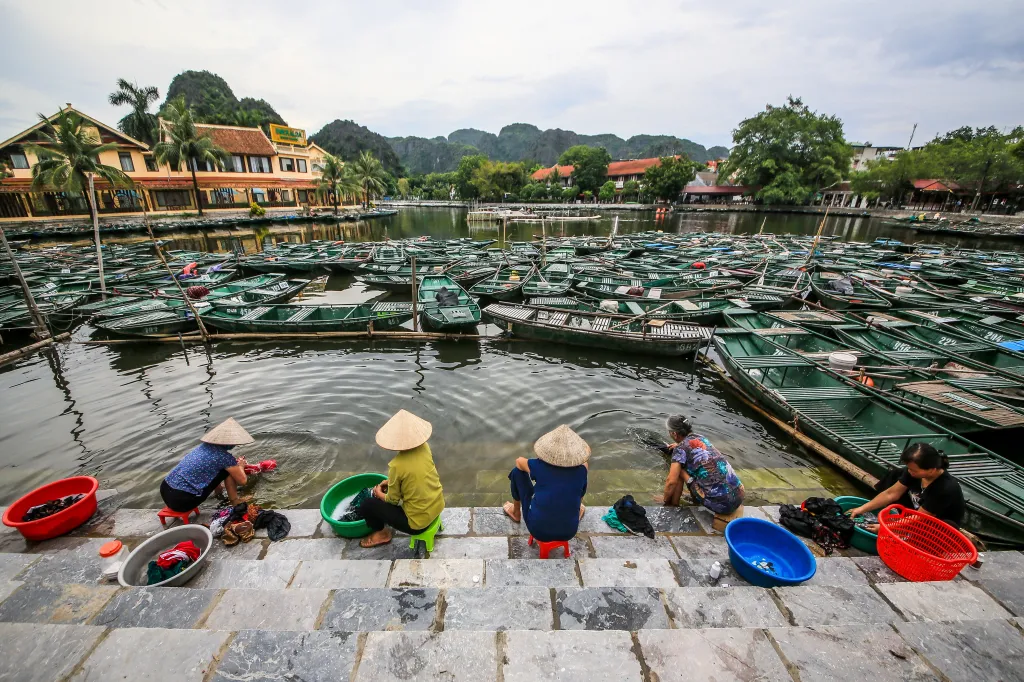
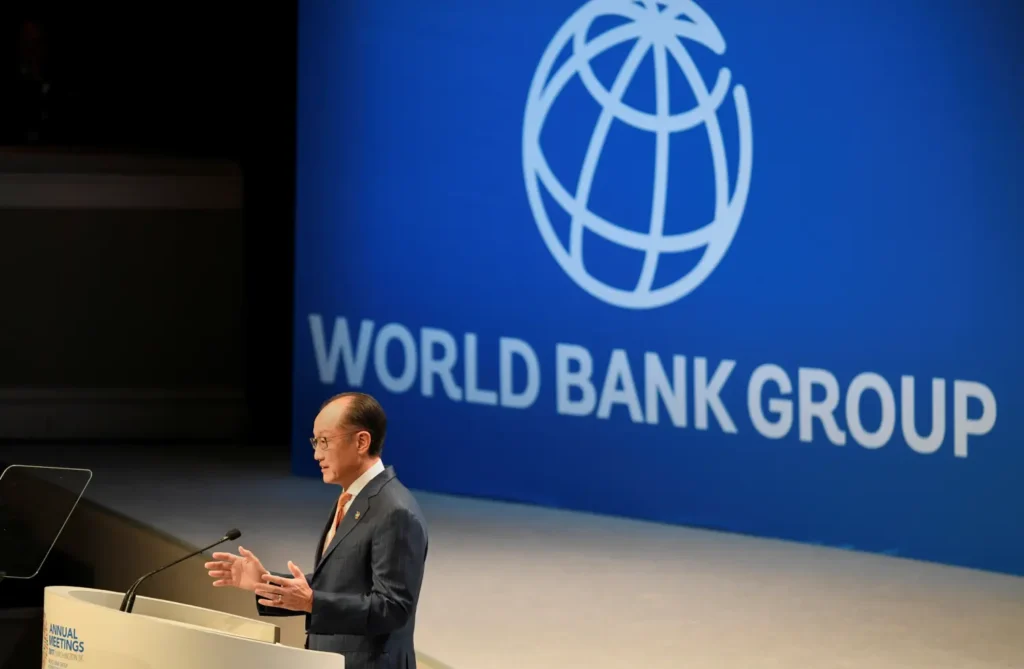
The economic trajectories of Vietnam and the Philippines have reached a significant inflection point, with the World Bank officially reclassifying both nations as upper-middle-income countries. This elevation places them alongside established Southeast Asian economies such as Malaysia, Thailand, and Indonesia, marking a notable achievement in their development journeys. The World Bank’s assessment is based on Gross National Income (GNI) per capita from the preceding year, with the threshold for this category ranging between $4,636 and $14,375. Vietnam’s GNI per capita stood at $4,970, while the Philippines reported $4,850.
This reclassification is not merely symbolic; it reflects concrete economic advancements. Vietnam, for instance, saw its economy expand by 8% last year, a leading figure among its regional peers. This growth was significantly bolstered by an export boom, fueled in part by diversions resulting from the U.S.-China trade dynamics, which saw foreign direct investment surge and the United States emerge as Vietnam’s primary export market. The country harbors ambitious goals, targeting an average GDP growth of 10% through the end of the decade and aspiring to achieve high-income status by 2045. Hanoi’s strategy includes extensive economic reforms and substantial infrastructure investments, exemplified by a planned $67 billion high-speed railway project connecting its two major cities, Hanoi and Ho Chi Minh City.
The Philippines, too, demonstrated resilience, achieving a 4.4% growth rate despite facing considerable challenges last year, including the impact of Super Typhoon Ragasa and a severe El Niño season that incurred an estimated $24 million in losses. Arsenio Balisacan, the country’s economic planning secretary, emphasized that this growth represented gains across all major industries, indicating a broad-based economic strengthening rather than reliance on a single sector. Both nations are projected to maintain robust growth this year, with the ASEAN+3 Macroeconomic Research Office forecasting 7.4% growth for Vietnam and 5.3% for the Philippines. These figures outpace the projected 4.6% growth for ASEAN as a whole, and notably exceed estimates for more developed neighbors like Singapore (3.4%) and Thailand (1.7%).
However, this new status introduces a complex set of challenges, often termed the “middle-income trap.” As Khuong Minh Vu, a professor at Singapore’s Lee Kuan Yew School of Public Policy, observes, this upgrade signals “the beginning of a far more demanding phase of development.” Countries in this predicament frequently find that their rapid growth stalls. The advantage of cheap labor diminishes, yet they lack the advanced domestic innovation necessary to cultivate high-value sectors that can compete with wealthier nations. This phenomenon has affected several countries, with Malaysia remaining an upper-middle-income country for 37 years, Thailand for 15, and Indonesia for six, all generally experiencing long-term growth rates below 5% since their reclassification.
Furthermore, ascending to upper-middle-income status often entails a reduction in development funding from international organizations like the World Bank. Ruben Carlo Asuncion, chief economist at Union Bank of the Philippines, highlights that a higher classification implies greater self-sufficiency and capacity to meet national needs, including fiscal requirements. The World Bank is reportedly considering phasing out lending to China, also an upper-middle-income country, by 2031, following years of declining financial support to the world’s second-largest economy.
For both Vietnam and the Philippines, the path forward necessitates a strategic pivot. Sustaining rapid growth and ultimately achieving high-income status will demand a shift from growth driven by basic factors to one propelled by productivity, innovation, and value creation. For Vietnam, specifically, effectively leveraging the artificial intelligence revolution and capitalizing on ongoing institutional reforms will be crucial to meeting its 2045 aspirations. While Vietnam reported an impressive 8.4% economic growth in the second quarter of this year, with industry and construction expanding by 10.5%, it will still need to accelerate further to hit its full-year target of 10%. The Philippines awaits its second-quarter GDP figures, with some economists anticipating a more modest 2.6% growth for the period. These nations now face the intricate task of navigating this new economic landscape, balancing continued growth with the development of more sophisticated, innovation-driven economies.
Related Posts
Previous Post
Next Post


Sponsored Content

Sponsored Content