
The Bank of Canada Just Hiked Rates for the First Time in Three Years. It Might Not Be the Last.

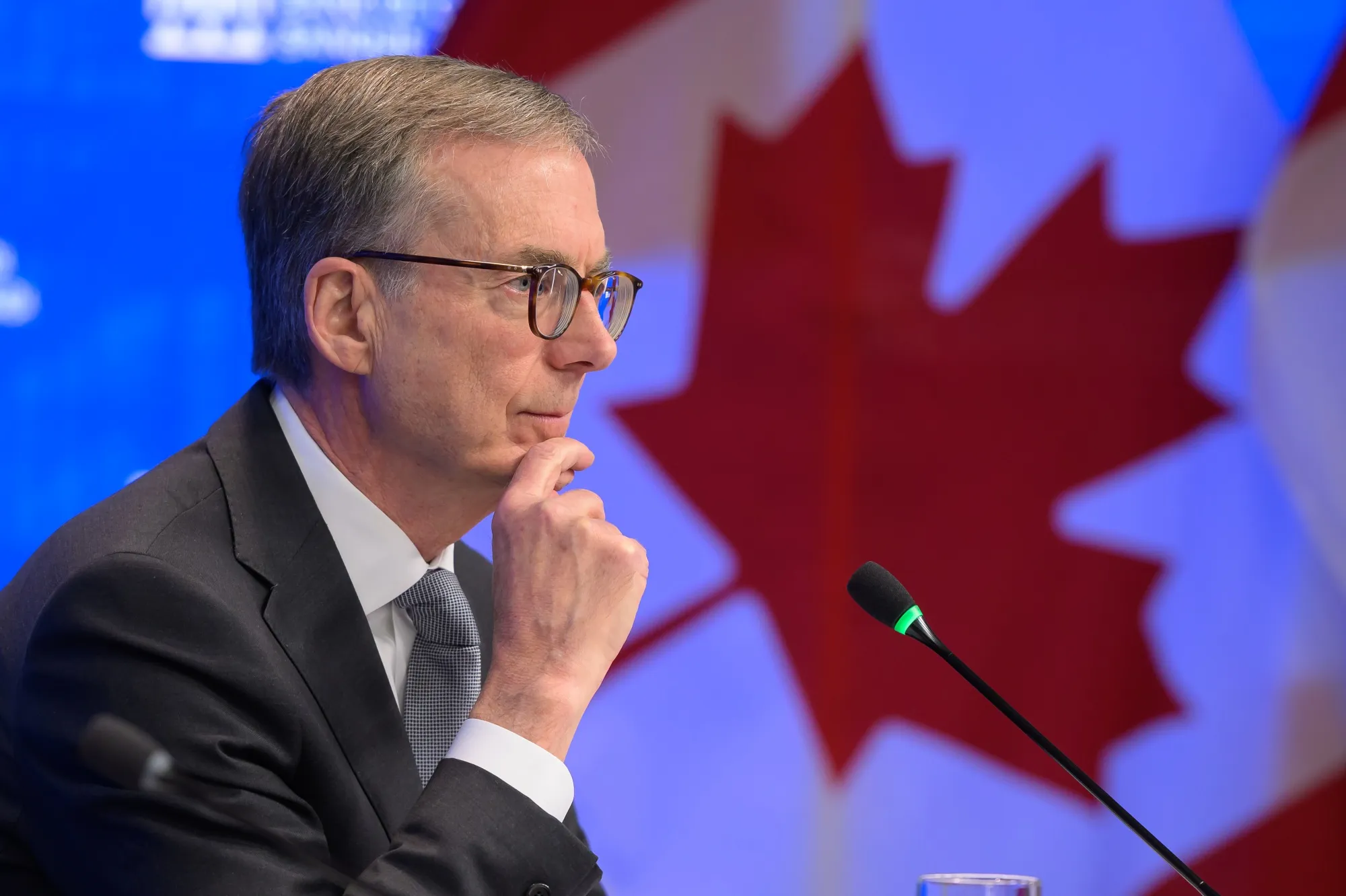
The Bank of Canada raised its benchmark interest rate by a quarter point to 2.5% on Wednesday, its first hike in three years, and paired the move with a warning that more increases could still be needed if high energy prices keep threatening to spread into broader inflation.
The central bank’s governing council framed the decision explicitly around oil. Persistently elevated energy prices have raised the risk that costs tied to fuel spread into the prices of other goods and services, the kind of broad-based inflation the bank is trying to head off before it takes hold rather than respond to after the fact.
That caution extended to the bank’s forward guidance. The statement noted there could be a need to raise the policy rate further, but that given the uncertainties involved, the governing council agreed to proceed carefully rather than commit to a predetermined path of additional hikes.
The timeline attached to the decision underscores how long this inflation fight is expected to run. The bank does not expect annual inflation to return to its 2% target until the middle of 2028, a multi-year horizon that suggests Wednesday's hike is being treated as the start of a sustained effort rather than a one-off adjustment.
Ending a three-year pause on rate increases is itself a signal. After holding steady through a period when many central banks were cutting or holding rates to support growth, the Bank of Canada's decision to reverse course reflects how much weight energy-driven inflation risk is carrying in its calculus right now, even at the cost of tightening financial conditions further.
For Canadian households and businesses, the immediate effect is higher borrowing costs layered onto an already elevated rate environment, with the central bank signaling it is prepared to go further if energy prices don't cooperate. The next moves will likely hinge on how oil markets behave in the coming months, and whether the current spike proves temporary or becomes the kind of sustained pressure the bank is explicitly trying to prevent.