
Ukrainian Drone Strike on Tatarstan Marks a Deadly Shift in Kyiv’s Long-Range Strategy Against Russia

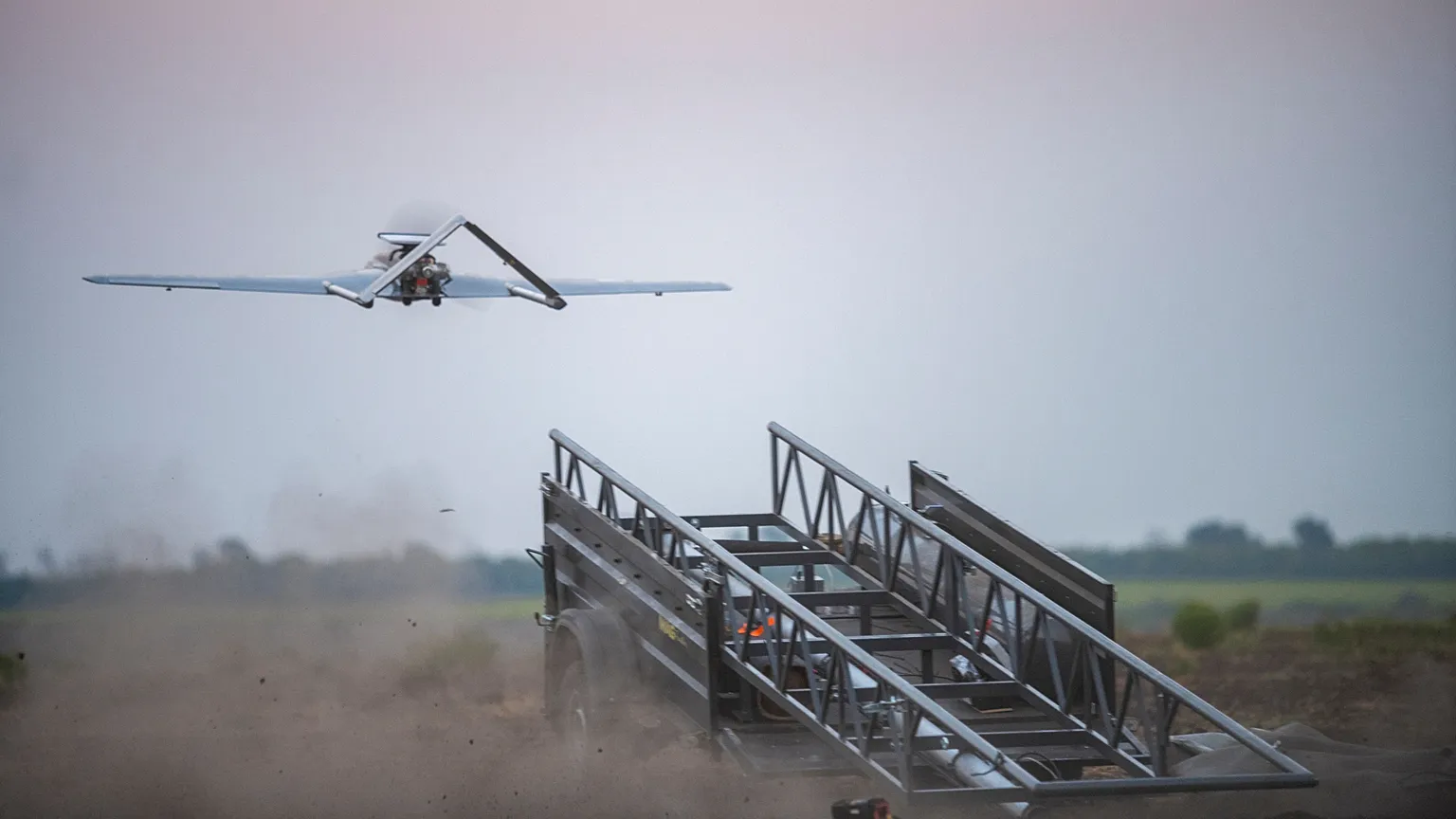
The industrial heartland of central Russia, far removed from the front lines, felt the sharp impact of the conflict this week as a Ukrainian drone strike on the city of Nizhnekamsk in Tatarstan claimed at least 13 lives and injured 75 others. This incident, occurring over a thousand kilometers from the Ukrainian border, represents one of Kyiv’s deadliest single attacks since the war began, signaling an escalation in the strategy of targeting distant Russian infrastructure and personnel. Nizhnekamsk, a city of 240,000 residents, hosts significant oil refining and petrochemical facilities, making it a critical node in Russia’s energy sector.
For months, Ukraine has increasingly focused its long-range drone capabilities on Russian oil facilities, aiming to disrupt fuel supplies, degrade refining capacity, and exert economic pressure. This latest strike in Tatarstan underscores the vulnerability of these distant targets, even in regions traditionally considered safe. Unverified footage circulating on social media captured a large plume of black smoke rising from an oil facility near Nizhnekamsk following the attack, illustrating the immediate aftermath of the engagement. The region itself is rich in energy resources, featuring numerous major oil refineries that have become consistent targets for retaliatory strikes.
The broader context reveals a significant escalation in long-range attacks from both sides this year, leading to a noticeable spike in civilian casualties, a trend highlighted by the United Nations. While Ukraine targets Russian energy infrastructure, Russia continues its relentless bombardment of Ukrainian cities and front-line areas. Just days before the Tatarstan incident, a Russian artillery strike in the northeastern Kharkiv region, specifically the village of Bugaivka, resulted in the deaths of five people and the destruction of multiple homes. This reciprocal pattern of violence extends to border regions, where a woman was killed in a Ukrainian attack on Russia’s Belgorod, and a man died in a Russian drone strike on a taxi in Ukraine’s Kherson region.
Ukrainian President Volodymyr Zelenskyy has consistently framed these strikes as a necessary and justified response to Russia’s ongoing invasion, now in its fifth year. He articulated this stance recently on social media, stating that “every Russian strike will be met with our response” and that “Russia’s war will be felt more and more at their own home.” Zelenskyy maintains that the conflict persists solely due to Russia’s unwillingness to negotiate an end to the hostilities, suggesting that increased pressure on Russian territory is intended to compel President Vladimir Putin to the negotiating table.
Meanwhile, Russia’s defense ministry reported shooting down 456 Ukrainian drones overnight, though it typically does not disclose how many drones successfully reach their targets. Ukraine’s air force, for its part, stated that Russia launched 126 drones in its overnight assault. This constant exchange of drone attacks highlights a new dimension of the conflict, one where the airspace above both nations is increasingly contested, and the strategic calculus involves striking deep into enemy territory. The strike on Tatarstan, with its significant human cost and targeting of critical infrastructure, marks a poignant moment in this evolving, long-range campaign, demonstrating Kyiv’s resolve to bring the consequences of the war closer to the Russian populace.
Previous Post
Next Post


Sponsored Content

Sponsored Content