
Iran Demands U.S. Compensation for War Damage Before Reopening Critical Strait of Hormuz

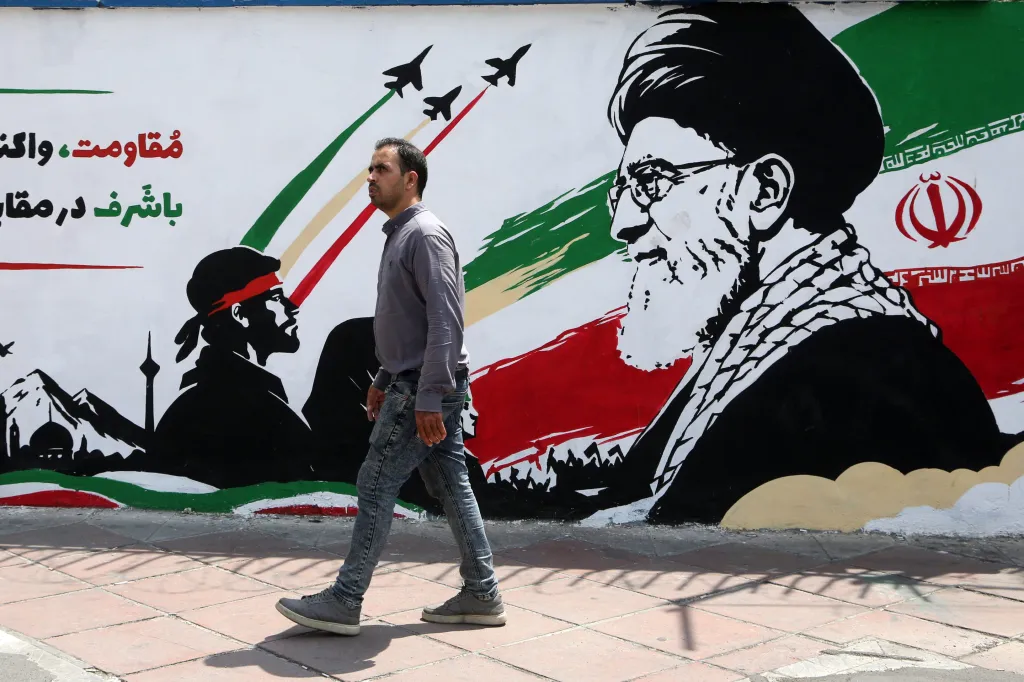
The Strait of Hormuz, a vital artery for global energy supplies, remains under significant pressure as Iran’s Supreme National Security Council has laid out a stringent set of conditions for its full reopening. These demands, articulated by Mohammad Bagher Zolghadr, a commander in the Revolutionary Guard and the council’s secretary, signify a hardening of Iran’s stance in ongoing negotiations. Tehran insists that the United States must fundamentally alter its regional posture, including ending all threats against Iran and its allies, permanently concluding hostilities, and withdrawing its military presence from the area.
Central to Iran’s position is the insistence on substantial reparations. The council’s statement, disseminated via Iran’s state broadcaster, explicitly calls for “completely compensating” Iran for war damages. This demand is coupled with calls for the immediate lifting of all sanctions and the unconditional release of frozen Iranian assets. These conditions represent a significant escalation from previous discussions, where an interim deal signed in June outlined a schedule for sanction removal and compensation as part of a final agreement, with negotiations on frozen assets also on the agenda. The current 60-day negotiation window for a comprehensive deal is nearing its close, with just over a week remaining, though an extension remains a possibility.
While Tehran outlines these broad demands, more specific discussions regarding navigation in the strait have also been underway. Iranian Foreign Minister Abbas Araghchi indicated earlier this week that progress was being made with Oman on determining a transit route. However, Araghchi underscored that the full reopening of the waterway hinges on broader political conditions, attributing the current impasse to what he described as the U.S. violation of the interim agreement. Oman, a key mediator in the region, confirmed that discussions were proceeding in a “positive and constructive atmosphere” while simultaneously condemning attacks on shipping within the strait.
The broader regional tensions underscore the sensitivity of the Strait of Hormuz situation. An incident earlier this Saturday saw a vessel owned by Abu Dhabi’s state-owned ADNOC oil and gas company reportedly targeted by an Iranian missile while transiting the strait. Emirati authorities, through their Foreign Ministry, attributed the attack to Iran, characterizing it as part of a pattern of assaults on commercial shipping. ADNOC reported no casualties from this specific incident but stated that over a dozen of its vessels have faced attacks since the onset of the conflict in February, resulting in one fatality and twenty injuries among crew members. The United Kingdom Maritime Trade Operations Center later noted a projectile strike and subsequent fire on a vessel east of Khasab, Oman, though it did not confirm if this was the same ADNOC incident.
In a separate but related development, a new defense agreement involving Saudi Arabia, Pakistan, and Turkey has emerged, with Turkish Foreign Minister Hakan Fidan clarifying its defensive nature. Fidan stated that the pact, which considers an attack on one signatory as an attack on all three, is not aimed at any specific third country unless hostile actions are initiated. The mechanism allows for a range of assistance, from intelligence sharing to military deployment, following a formal request. A secretariat for this new alliance is slated to be established in Saudi Arabia, and Fidan suggested that other nations, including Egypt, have expressed interest in joining. Meanwhile, Yemen’s military has launched attacks against Iranian-backed Houthi rebels, targeting their positions and capabilities across multiple front lines, threatening to reignite the country’s civil war following a 2022 truce.
Domestically, Turkey’s parliament is advancing legislation aimed at facilitating peace with Kurdish insurgents. A draft bill outlining procedures for the disarmament and rehabilitation of members of the Kurdistan Workers’ Party (PKK) has cleared its initial parliamentary hurdle and is expected to pass the general assembly next week. This initiative follows the PKK’s declaration last year to disarm and disband, a significant step toward resolving a conflict that has claimed tens of thousands of lives since the 1980s. The measures would become effective once Turkey’s National Security Council confirms the group’s full disbandment and the surrender of all weapons.
Related Posts

Sponsored Content

Sponsored Content