
Global Oil Demand Falls Even as US Gasoline Prices Remain High

Global oil demand is projected to see its first annual decline since the 2020 pandemic, a significant shift detailed in a recent International Energy Agency report. This contraction, estimated at approximately one million barrels per day for the year, stems largely from elevated oil prices and persistent supply chain disruptions. Much of this downturn has been observed in Asia, a region heavily reliant on Middle Eastern oil, with China experiencing the most substantial reduction.
China’s oil consumption decreased by 1.5 million barrels per day, marking a 9% drop, the largest globally. This strategic reduction by China was a direct response to soaring prices during the spring. As Jim Burkhard, vice president and head of crude oil research at S&P Global Energy, noted, China leveraged its extensive inventory to sustain demand, effectively cutting its crude oil purchases by nearly 50%. This included a temporary halt in filling its strategic petroleum reserve, which had previously been absorbing almost one million barrels per day. The crisis also inadvertently accelerated China’s transition away from traditional road transportation fuels, driven by an increase in electric vehicle adoption. Daniel Sternoff, a senior fellow at the Center on Global Energy Policy at Columbia University, highlights that China is on track to lose between 500,000 and 600,000 barrels per day in gasoline and diesel demand.
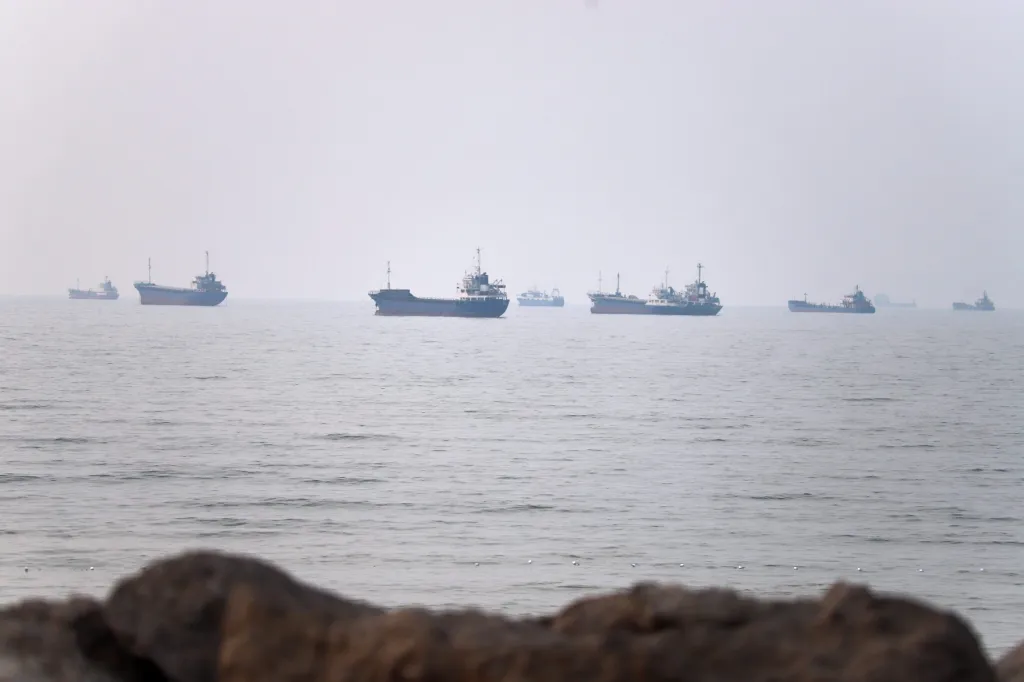
The primary catalyst for these initial disruptions was the conflict between the U.S. and Iran, which effectively stranded crude oil shipments in the Persian Gulf for over three months. The Strait of Hormuz, a critical conduit for oil and gas, became impassable, leading to a severe bottleneck. While a fragile ceasefire in June allowed some ships to pass, easing oil prices temporarily, the long-term stability of the region remains uncertain. Burkhard suggests that the future of Hormuz is more precarious now than at the conflict’s outset, with Iran’s continued attempts to control the strait and the U.S. struggling to restore pre-war operational normalcy.
Despite the broader decline in global oil demand and a subsequent dip in crude prices, consumers in many parts of the world, particularly the U.S., are still contending with elevated costs for refined products like gasoline and diesel. In May, average gasoline prices in the U.S. surpassed $4.50 per gallon, a more than 50% increase since the conflict began. Yet, paradoxically, U.S. gasoline consumption actually rose in the second quarter of 2026. This resilience in demand, according to Sternoff, can be attributed to several factors. The percentage of household income allocated to gasoline has been declining over time, and many individuals have returned to in-office work, increasing their commuting needs. For higher-income households, while grumbling about prices might occur, it rarely translates to reduced driving.
The disconnect between falling crude prices and persistent high costs for refined products can be explained by a confluence of factors beyond just the initial supply shocks. A “gray zone conflict” between the U.S. and Iran, while causing minor price fluctuations, no longer delivers the same shock to the market as the initial, more severe disruptions. Furthermore, a reduced pool of buyers has emerged. Beyond China’s dramatic cutbacks, several Russian refineries suffered damage from drone attacks by Ukraine, and Middle Eastern refineries continue to grapple with war-related damage. This has created a scenario where a surplus of crude oil is available, but the capacity to process it into usable fuels is diminished. Burkhard succinctly states there’s “this gush of supply of crude oil being made available to the market, and there’s simply less demand for that crude oil.” This imbalance in the refining sector means that even as crude oil becomes cheaper, the limited ability to transform it into gasoline, diesel, and other essential products keeps their prices inflated for the end consumer.