
Kaja Kallas Declares Europe Will Not Be a Neutral Mediator Between Ukraine and Russia

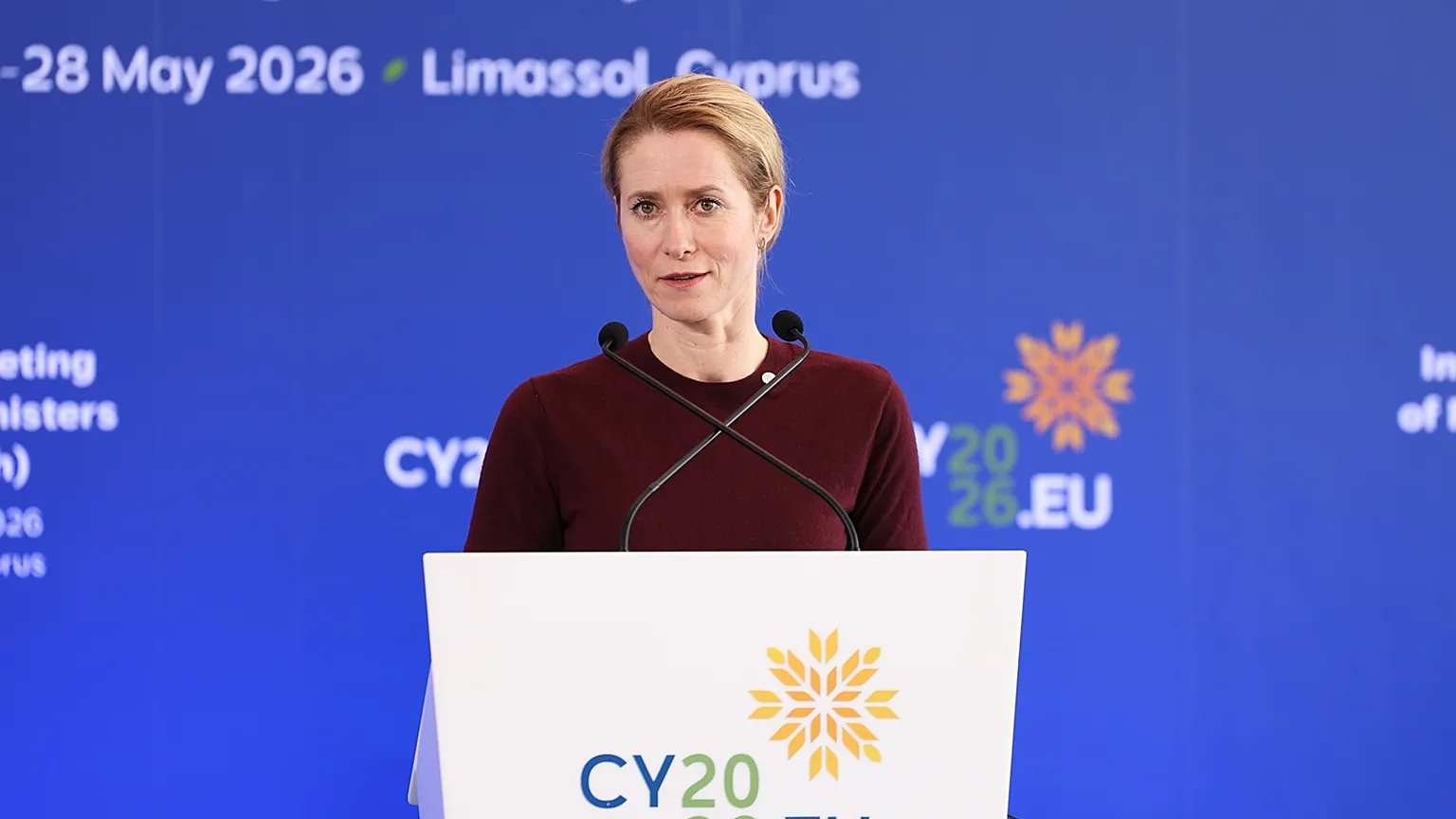
The prospect of the European Union stepping into a mediation role between Ukraine and Russia, particularly in the vacuum created by shifting American diplomatic priorities, has been definitively addressed by High Representative Kaja Kallas. Her statement, following an informal meeting of foreign affairs ministers in Lemesos, Cyprus, underscored a clear position: the EU’s alignment with Ukraine precludes any neutral stance in peace negotiations. This declaration comes amidst ongoing discussions about whether the bloc should appoint a special envoy, a contentious issue that has divided member states and fueled considerable speculation regarding potential candidates for such a high-stakes position.
Kallas articulated the EU’s position unequivocally, stating that Europe cannot be a neutral intermediary. She emphasized that the bloc is unequivocally on Ukraine’s side, actively defending its own security interests. This perspective suggests that any attempt to treat both parties equally would contradict the fundamental stance the EU has adopted since the conflict began. The High Representative also contended that Ukraine itself requires the EU to help rebalance negotiations, aiming to extract concessions from the Russian side rather than merely facilitating dialogue. This approach indicates a more assertive role for Europe, albeit one that is not intended to replace existing diplomatic efforts.
The ongoing conflict in the Middle East has notably diverted Washington’s diplomatic focus, leaving the US-led peace process concerning Ukraine largely stalled. Despite this stagnation, Kallas made it clear that the EU does not intend to simply fill the void left by the United States. Instead, she stressed that European efforts must complement those of the US. The ministers present in Cyprus echoed this sentiment, agreeing that their actions should address issues that have not been adequately covered in previous discussions, rather than stepping in as a primary replacement for American involvement. This nuanced position highlights a desire for coordinated, rather than competitive, international engagement.
Kyiv’s frustration with the current stalemate in negotiations has been palpable, with Ukrainian Foreign Minister Andrii Shyiiba publicly urging European nations to adopt a more hands-on approach. Speaking in Cyprus, Shyiiba called for the EU to concentrate on “precise, doable steps,” citing the demilitarization of the Zaporizhzhia nuclear plant and the establishment of humanitarian corridors as immediate priorities. He further suggested that the focus should not initially be on selecting individuals or groups to lead the effort, but rather on clarifying the mandate and ensuring a unified European voice. This perspective from Kyiv underscores a desire for tangible outcomes over procedural debates.
Amidst these discussions, US Secretary of State Marco Rubio offered a glimmer of hope, suggesting that the peace process might soon resume after weeks of inactivity. Rubio affirmed the US’s readiness to facilitate an end to the war, expressing optimism that an opportunity for progress would eventually emerge. This statement, however, did not alter the EU’s clarified position. The meeting in Cyprus effectively tempered the earlier enthusiasm surrounding the appointment of a special EU envoy for direct talks with Russia. Names like Finnish President Alexander Stubb, European Council President António Costa, former Italian Prime Minister Mario Draghi, and former German Chancellor Angela Merkel had all been floated for the challenging role.
Instead of focusing on a specific envoy, Kallas proposed that the EU should concentrate on formulating a common position outlining essential concessions Russia must make at the negotiating table. This includes conditions that must be met and red lines that cannot be crossed. Key demands within this framework would involve the non-recognition of Russian-occupied territories, a cessation of sabotage operations, cyberattacks, election interference, and airspace violations. Additionally, the EU would seek reparations, the return of abducted Ukrainian children, the release of journalists, and the withdrawal of Russian troops from Georgia and Moldova. The High Representative also suggested considering limitations on Russia’s ability to rearm, particularly if a future peace deal were to cap the size of the Ukrainian army, as hinted in earlier drafts. Kallas has compiled these proposed concessions into a confidential document, under discussion since February, though its unanimous endorsement by all 27 member states remains uncertain.
The urgency of these discussions is underscored by Russia’s persistent bombardment of Ukrainian civilian areas, including a significant attack on Kyiv that destroyed residential buildings, supermarkets, and energy facilities. Moscow’s subsequent warning for foreign citizens and diplomats to leave Kyiv “as soon as possible” prompted EU countries to issue summons in protest, condemning what they perceived as intimidation. Kallas asserted that the dynamics of the war are shifting in Ukraine’s favor across military, economic, and diplomatic fronts, yet Russia’s recent strikes on Kyiv demonstrate an ongoing lack of genuine interest in peace. She characterized Moscow’s direct threat to foreign diplomats in Kyiv as a public announcement of a war crime, reinforcing the EU’s resolute stance against neutrality.