
Sinopec and China National Aviation Fuel Consider Potential Consolidation

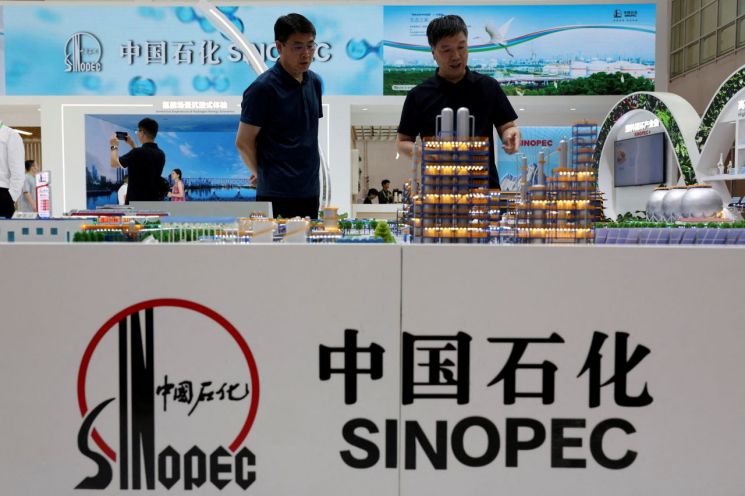
The landscape of China’s state-owned energy sector appears to be shifting, with two of its largest entities, Sinopec Group and China National Aviation Fuel, reportedly entering a restructuring process. This development, confirmed by government sources, hints at a potential merger that could significantly reshape the domestic energy market. Such a consolidation would align with broader strategic objectives often seen in China’s industrial planning, aiming for enhanced efficiency and stronger competitive positions for its key state-owned enterprises.
Details emerging from Tokyo indicate that this restructuring is not merely an internal adjustment but a government-approved initiative. While official statements have been measured, the implications of such a move are substantial. Sinopec, already a formidable player in the global energy arena, stands to gain considerable leverage from absorbing or merging with China National Aviation Fuel. The latter, a specialist in aviation fuel supply and logistics, represents a crucial piece of infrastructure within China’s rapidly expanding aviation sector. Integrating these operations could streamline supply chains, optimize resource allocation, and potentially reduce operational redundancies across both organizations.
This strategic maneuver is understood to be part of a larger, overarching five-year plan. These national plans frequently outline ambitious targets for economic development and industrial reform, often involving the consolidation of state assets to create national champions capable of competing more effectively on an international stage. For Sinopec, strengthening its position in the domestic market, particularly in a specialized segment like aviation fuel, could provide a stable foundation for further global expansion and diversification. The move could also be interpreted as an effort to ensure energy security and optimized resource management within a critical sector.
Historically, such state-led consolidations in China have aimed to create more robust, vertically integrated enterprises. By bringing China National Aviation Fuel under the potential umbrella of Sinopec, the government could be looking to foster synergies that lead to improved operational efficiencies and a more resilient energy supply chain. The sheer scale of both entities means that any integration would be a complex undertaking, involving extensive logistical and administrative coordination. However, the potential benefits in terms of market dominance and strategic control are likely seen as outweighing these challenges.
The long-term effects of this potential merger on the broader energy market, both within China and globally, remain a subject of considerable speculation. While strengthening Sinopec’s domestic standing, it could also influence pricing structures, supply dynamics, and competitive pressures within the aviation fuel industry. Observers will be watching closely to see how this restructuring unfolds and what new operational models or market strategies might emerge from a combined entity. The integration of two such significant players under a national strategic directive underscores the ongoing evolution of China’s state-owned enterprise landscape.
Previous Post
Next Post

Sponsored Content

Sponsored Content