
Zambia to Sign $3.6 Billion US Health Deal After Stripping Out Patient Data and Specimen-Sharing Clauses

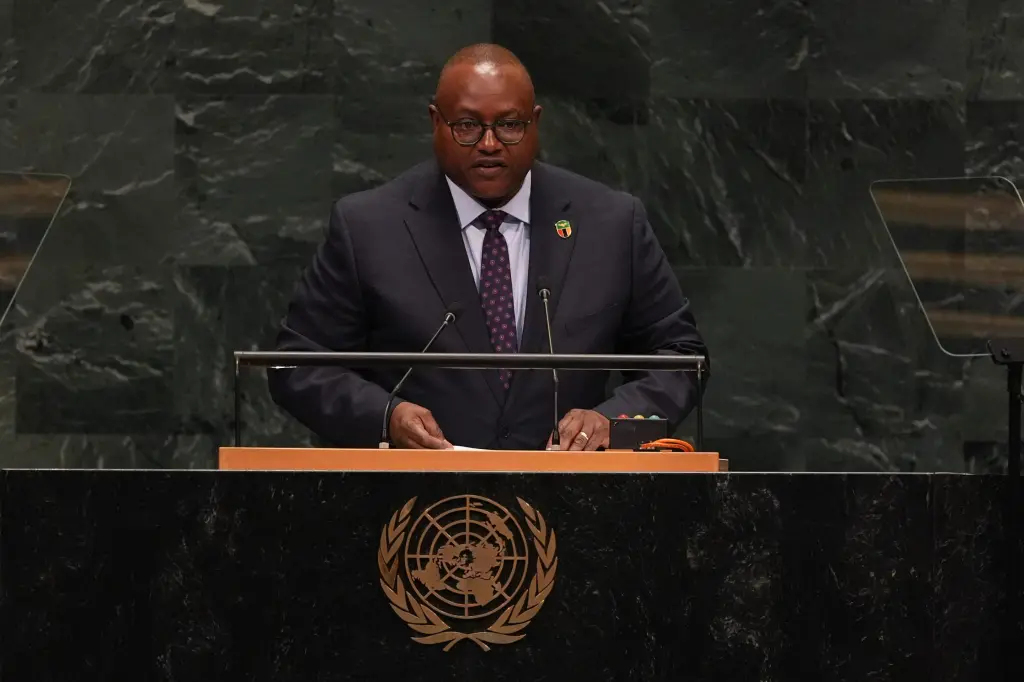
AP Photo/Heather Khalifa
Zambia says it will sign a revised $3.6 billion health agreement with the United States after successfully negotiating out the contentious provisions that had sunk similar deals with other African nations: clauses requiring the sharing of patient health data and biological specimens with the US government.
The five-year agreement combines funding from both countries, with the US contributing $1.5 billion over the five-year term, according to Zambian Health Minister Roma Chilengi. “I want to announce here that the (agreement) as it stands now … has no reference to any specimen sharing conditions,” Chilengi said, adding plainly: “Zambia will not be obliged to share any specimen.”
Chilengi confirmed the data-sharing clauses that had drawn criticism in the original bilateral template were “completely removed” from Zambia’s final version, a significant concession from Washington after at least two other African governments walked away from similar deals over the same provisions.
Zimbabwe rejected its own version of the agreement back in February, specifically citing the data and specimen-sharing requirements. A government spokesperson at the time warned that the country would effectively be providing “raw materials for scientific discovery without any assurance that the end products would be accessible” to Zimbabweans. The US response was swift: Washington ended all health assistance to Zimbabwe following the collapse of those talks. Namibia also pushed back on certain clauses in its own negotiations, a dispute that led to the US phasing out HIV funding there.
The bilateral health agreements, offered to roughly two dozen African nations, reflect the Trump administration’s broader “America First” approach to foreign aid following the dismantling of USAID. Zambia’s success in getting the specimen and data-sharing language removed entirely, while still securing $1.5 billion in US funding, stands out against Zimbabwe and Namibia’s experience of losing US health support altogether after refusing to accept those same terms, suggesting Washington’s red lines on the issue may be more negotiable than its initial posture with other governments indicated.
Related Posts

Previous Post
Next Post

Sponsored Content

Sponsored Content