

Mahindra’s Electric Three-Wheeler Unit Eyes IPO as Fuel Crisis Drives EV Demand

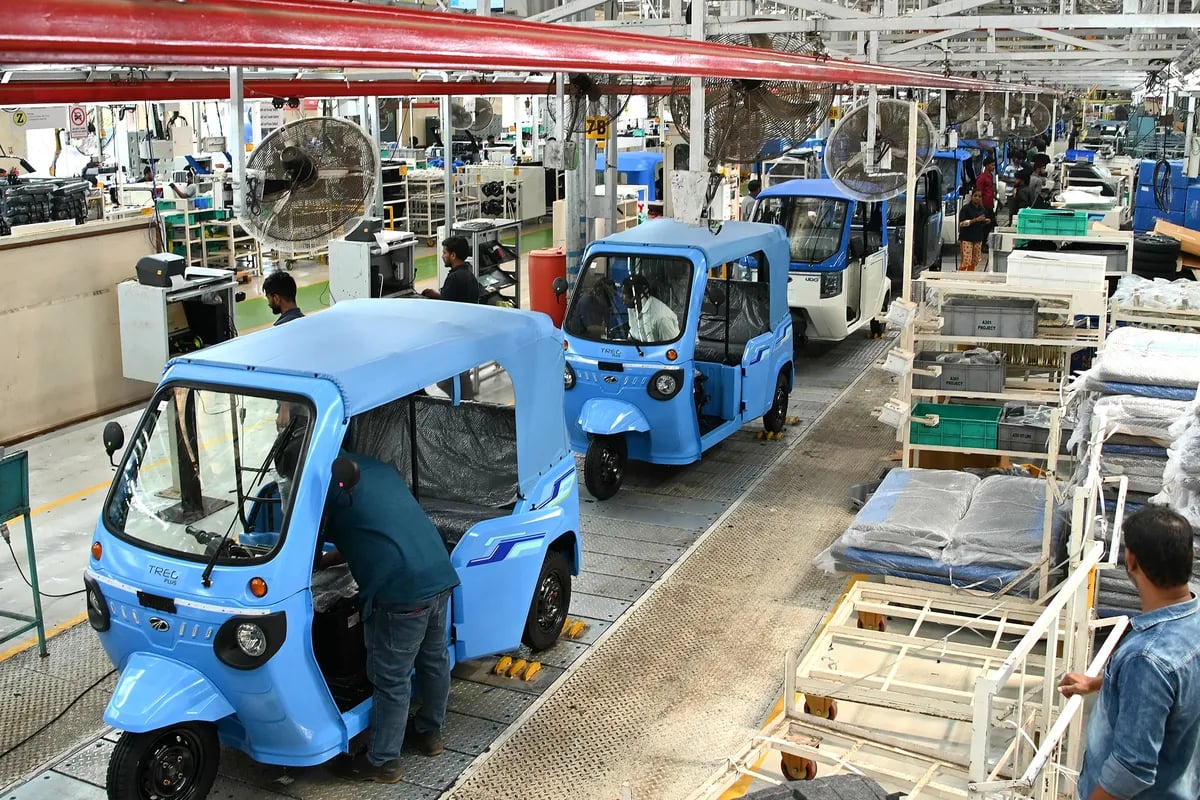
Mahindra Last Mile Mobility is considering a public listing in about 18 months as the war in Iran pushes fuel prices higher and Indian buyers shift toward electric mobility.
Mahindra and Mahindra’s electric three-wheeler business is preparing for a potential leap onto the public markets. Mahindra Last Mile Mobility, the unit that builds battery-powered commercial vehicles for India’s crowded streets, is considering an initial public offering in about a year and a half as demand for electric mobility accelerates.
The timing is no accident. A fuel crisis driven by the war in Iran has pushed energy costs higher and made electric commercial vehicles look more attractive to Indian drivers and fleet operators. At an event in Mumbai hosted by Bloomberg, Chief Executive Officer Suman Mishra said the company is weighing an IPO around eighteen months from now, but stressed that there is no hurry.
Fuel costs change the math
“Eighteen months is what we’re looking at. If we are ready by then, we’ll do it,” Mishra said. She added that Mahindra Last Mile Mobility can afford to be patient because its parent group is prepared to fund expansion regardless of whether it lists. “The group is going to fund us no matter which way.”
That patience matters in a market where investors have grown wary of loss-making electric vehicle startups. Three-wheelers are a particularly important segment in India, where they serve as taxis, delivery vehicles, and short-distance freight carriers across congested cities and small towns. Switching this fleet to electricity could cut both fuel bills and emissions at a scale that matters for national energy security.
India’s EV transition gathers speed
India has set ambitious targets for electrifying its vehicle fleet, and the government has used subsidies, tax incentives, and stricter emissions rules to push adoption. Two- and three-wheelers have led the way because they are cheaper to electrify than cars and because their owners feel fuel-price pain most acutely.
Mahindra is one of India’s best-known vehicle makers, with a long history in tractors, sport utility vehicles, and utility trucks. Its Last Mile Mobility unit has focused on electric three-wheelers and small commercial vehicles, a segment where it competes with both established automakers and a growing number of startups backed by venture capital.
Capacity expansion
The company is expanding manufacturing capacity to meet rising demand. Mishra said the business is adding production lines and working to bring costs down as volumes grow. Lower battery prices and local supply chains are helping, although India still depends heavily on imported cells and critical minerals.
For Mahindra, a successful IPO of the electric three-wheeler unit would mark a milestone in its effort to unlock value from emerging businesses. It would also signal that investors are willing to back Indian electric vehicle companies at a time when global EV stocks have been volatile and questions about profitability remain.
Geopolitical tailwinds
The Iran conflict has added an unexpected tailwind. Higher oil prices and concerns about supply disruptions have sharpened the economic case for electrification in import-dependent countries like India. While no company welcomes geopolitical instability, the pressure on fuel costs has made fleet operators and individual drivers more open to switching away from petrol and diesel.
Mahindra Last Mile Mobility's challenge now is to convert that interest into sales, scale production, and prove it can make money in a competitive market. If it can, the IPO it is contemplating could become one of the more closely watched listings in India's electric vehicle story.