
The Economics of Influence – Anwar Elkamony Brings Hope Giver Egypt 2026 to Cairo

Cairo is preparing to host an unusually revealing experiment in the economics of international influence. From 6–12 December 2026, Hope Giver Egypt 2026 will connect the cultural prestige of Versaill…
Cairo is preparing to host an unusually revealing experiment in the economics of international influence. From 6–12 December 2026, Hope Giver Egypt 2026 will connect the cultural prestige of Versailles, the social networks associated with Monaco and the reach of international entertainment.
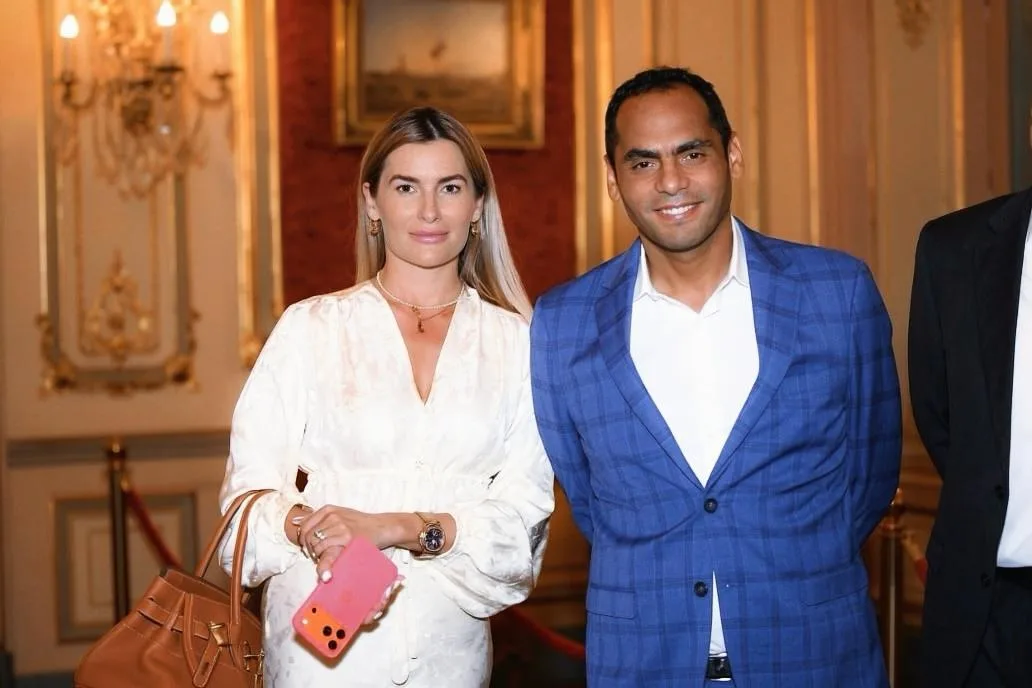
Behind the itinerary stands Anwar Elkamony, the Egyptian tennis player who rebuilt his career after a bone marrow transplant and subsequently created a humanitarian campaign active across more than 23 countries. The interesting question is not how many notable people attend. It is whether an extraordinary concentration of attention can be converted into relationships that endure after the gala lights go out.
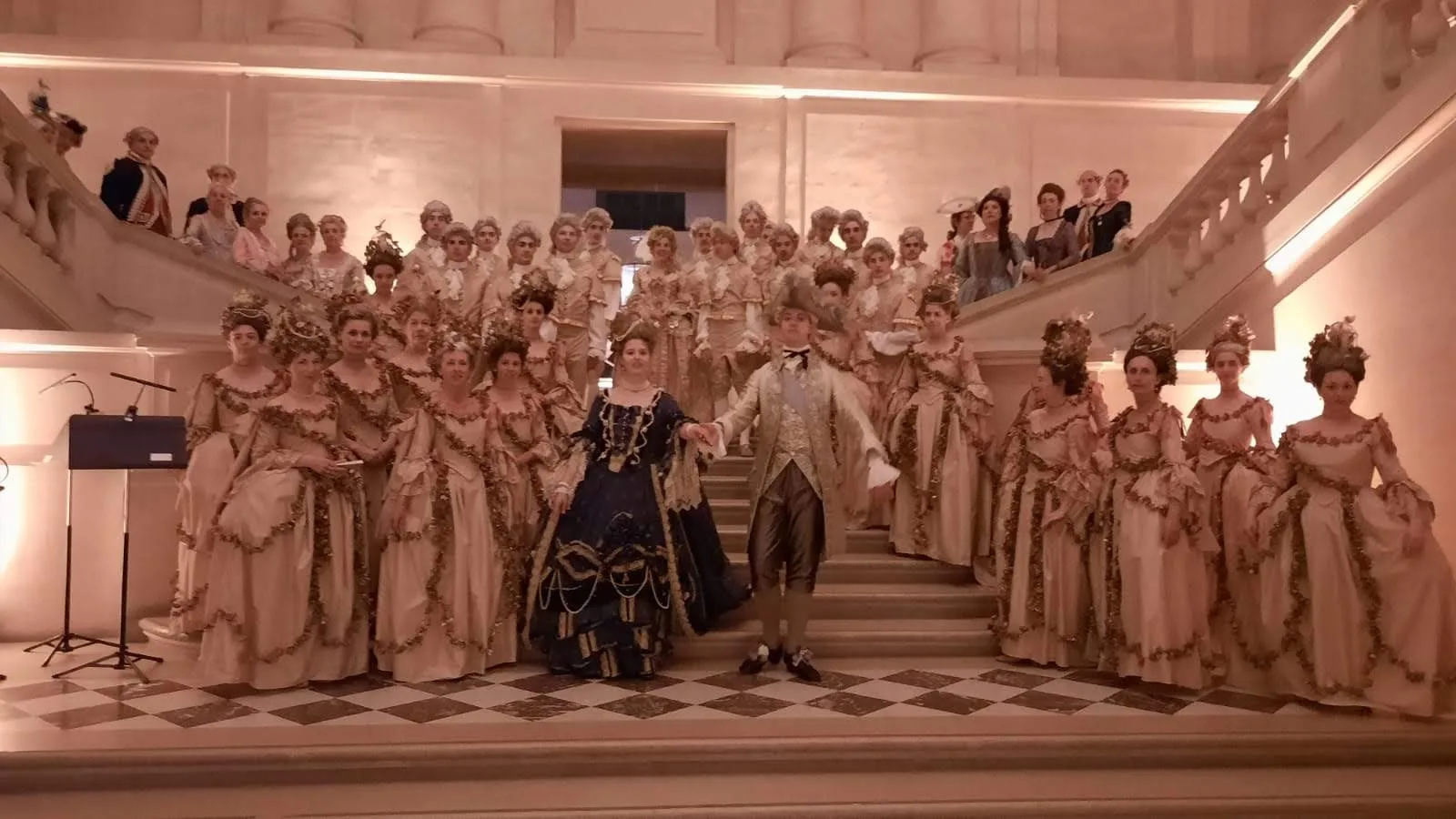
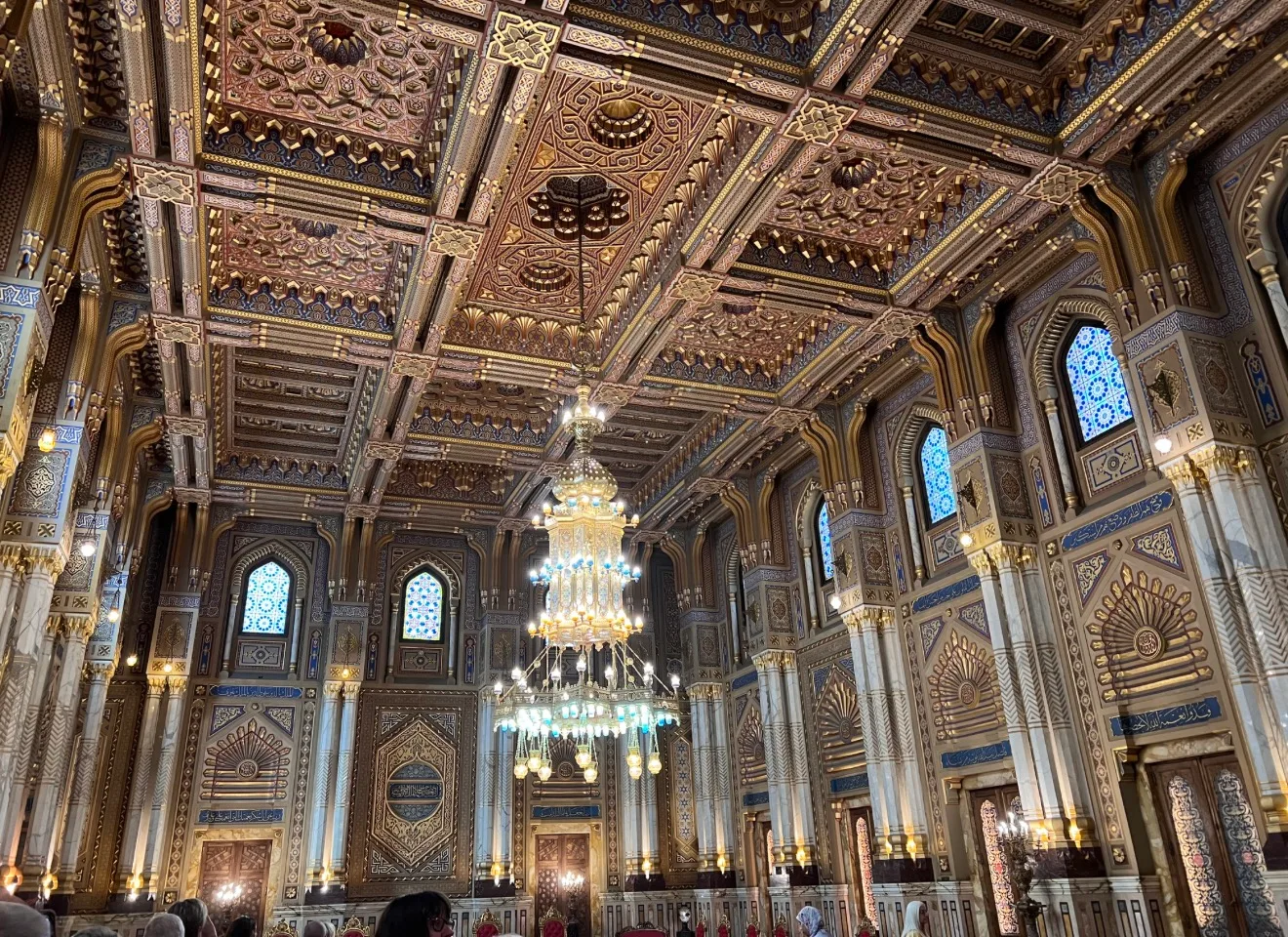
The expanded programme opens on 6 December with a public marathon at the Pyramids of Giza, followed by Patient Advocacy Day on 7 December, supported by Sanofi, and university masterclasses on 8 December. That evening, Grand Ball – Friends of Versailles is scheduled at The Nile Ritz-Carlton for an estimated 600–800 guests. The International Fashion Show follows at the Grand Egyptian Museum on 9 December, with 200–250 guests expected. On 10 December, Abdeen Palace is set to host the Royal Gentlemen Event & International Congress Awards for approximately 250–300 guests.
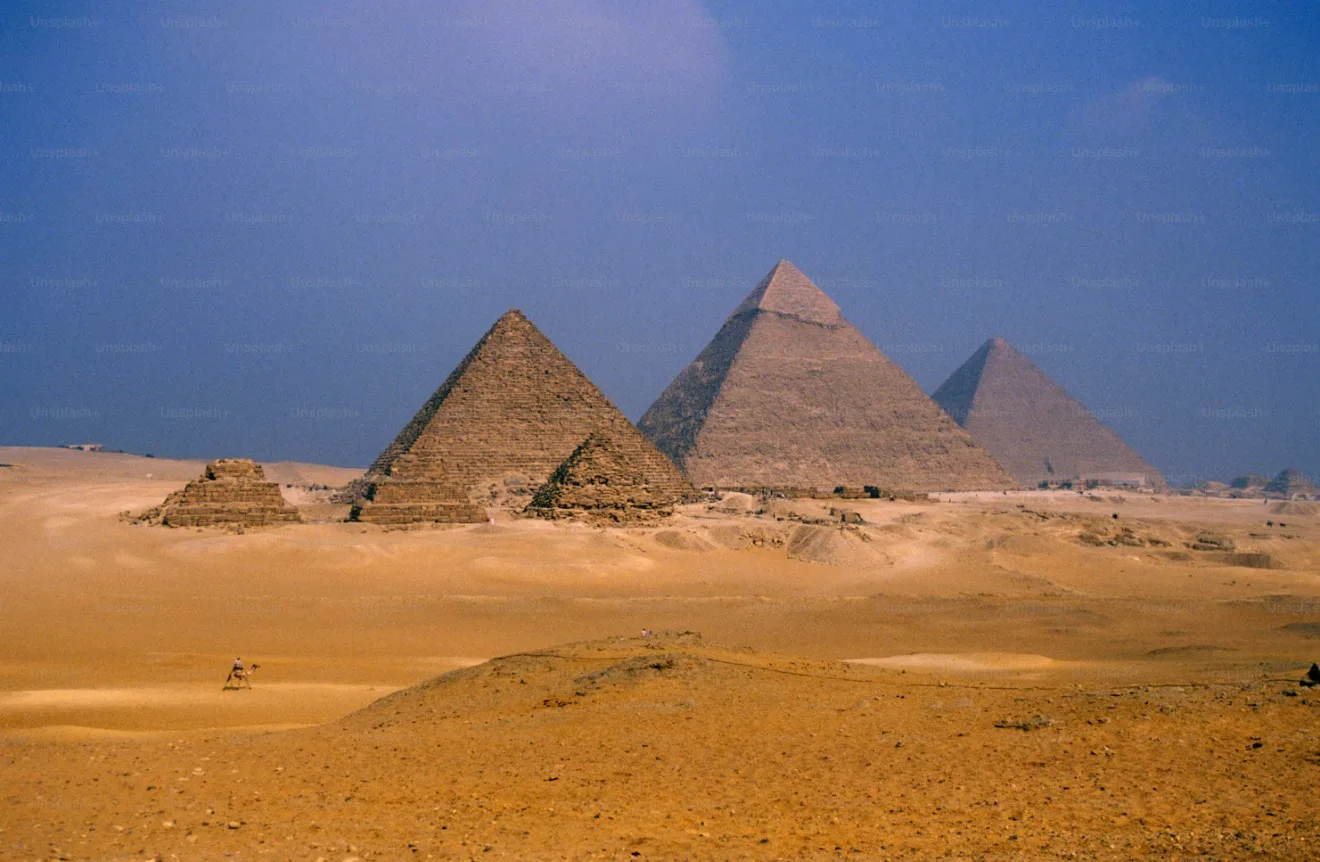
On 11 December, a women’s empowerment forum at the National Museum of Egyptian Civilization precedes the closing ceremony at the Pyramids of Giza, for which organisers project 20,000 attendees. The week concludes on 12 December with a newly announced ultra-luxury experience featuring helicopters, Ferrari supercars and an exclusive programme at Abdeen Palace, organised by Hope Giver in collaboration with an international company. The 12 December event replaces the cancelled Food Awards; further arrangements have yet to be announced.
There is a familiar criticism of philanthropic luxury events: their images circulate more widely than their outcomes. Hope Giver Egypt 2026 has an opportunity to answer that criticism with something measurable. Its campaign describes work supporting people affected by cancer, disability and other forms of hardship. A room filled with investors and international decision-makers could create openings for funding, partnerships and public awareness. Yet those results cannot be assumed in advance. The value of the gathering will depend on what its organisers and participants do with the access they create.
The event also reflects a broader shift in how cities position themselves. Cairo is not merely providing an attractive backdrop; its historic palaces, riverfront hotels and cultural institutions are central to the programme's identity. French cultural heritage and Monaco's international social circuit are being introduced to a distinctly Egyptian setting. That combination may be useful for hospitality and destination branding, but it also raises a more interesting proposition: a city can export its own cultural confidence while hosting the traditions of others.
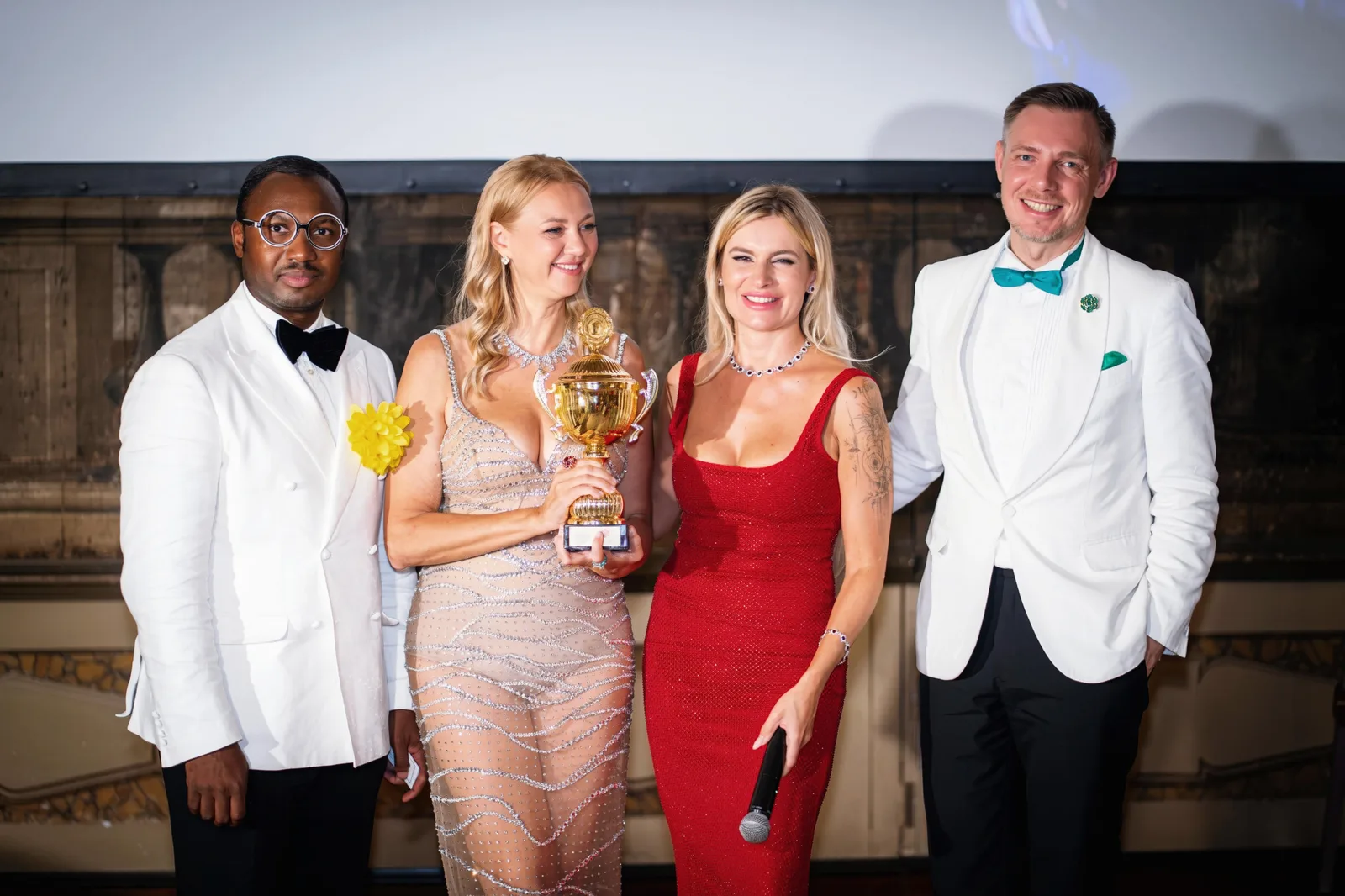
The presence of royal and diplomatic personalities is part of the organisers' announced vision, although individual attendance should be distinguished from confirmed participation. Likewise, the international concert's headline artists have not been finalised publicly. International Congress Awards is the announced name of the awards programme. Elkamony's greatest asset, however, is not a guest list. It is a personal story that gives this polished international programme a credible reason to exist.