
Georgieva Tells Bessent Growth Alone Won’t Fix America’s $40 Trillion Debt


IMF Managing Director Kristalina Georgieva used the Fund’s autumn meetings in Bangkok to warn that economic growth on its own will not be enough to address a US national debt that has crossed $40 trillion, pushing back on the growth-focused approach favored by Treasury Secretary Scott Bessent.
Georgieva acknowledged that Bessent recognizes the severity of the federal deficit, but said “Growth, of course, helps, but it cannot deliver fast enough the necessary adjustments,” arguing that the deficit itself needs to come down directly rather than being outgrown over time.
Georgieva called for aggressive fiscal consolidation rather than relying on favorable economic conditions to shrink the debt relative to the size of the economy, pointing to rising bond yields and inflationary pressure, driven in part by elevated energy costs tied to the war involving Iran, as factors pushing global interest rates to multidecade highs.
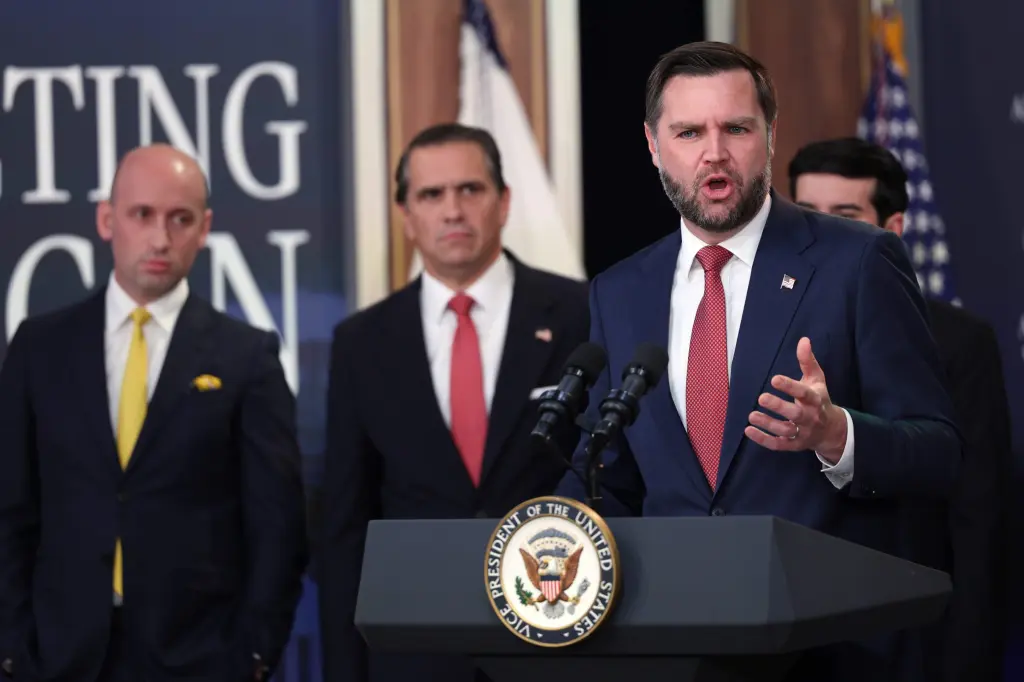
David Zervos, a counselor to Bessent, responded by questioning the IMF's own forecasting track record, pointing to overly optimistic predictions the Fund made ahead of both the 2008 global financial crisis and the 1997 Asian financial crisis as reasons to treat its current warnings with skepticism.
The exchange underscores a deepening disagreement between the IMF and the US Treasury over how to address the country's mounting debt burden, with Georgieva pressing for direct deficit reduction even as the Trump administration continues to lean on growth-oriented policy to manage the fiscal picture.