
Why a Disruption at the Strait of Hormuz Would Ripple Through the Entire Global Economy

AFP
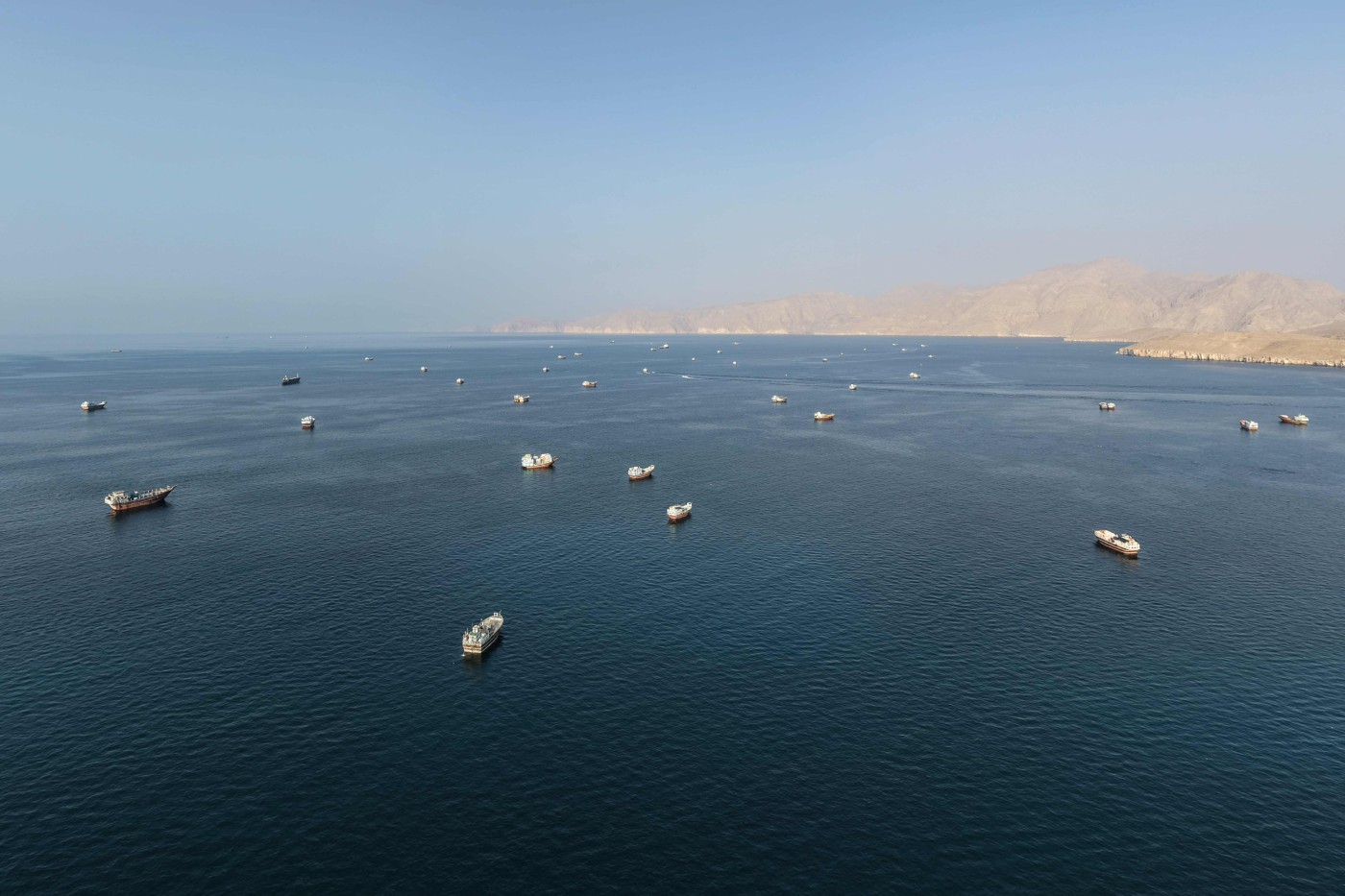
At its narrowest point, the Strait of Hormuz, the waterway separating Iran from Oman’s Musandam Peninsula, shrinks to just 3.7 kilometers of usable shipping lane. Through that narrow channel passes a volume of trade so large that any sustained disruption would rank among the most severe supply shocks the global economy has faced.
Roughly 20 million barrels of oil move through the strait every day, alongside 112 billion cubic meters of gas annually. International Energy Agency executive director Fatih Birol has described the scale of what a serious disruption would mean in stark terms, calling it potentially “the largest supply disruption in global oil market history.”
The exposure extends far beyond energy markets alone. Between 60 and 80 countries are directly exposed to shipping risk through the strait, and the broader economic footprint touches an estimated 174 economies worldwide through shipment exposure. Nearly half of the world’s sulfur supply transits the waterway, along with roughly a third of the global methanol trade, commodities that feed directly into agriculture, manufacturing and chemical production chains far removed from the Gulf itself. Qatar alone, reliant on the same shipping lanes, produces a third of the world’s helium supply, a niche but critical input for everything from medical imaging to semiconductor manufacturing.
Altogether, an estimated 46% of global trade originates from the broader region the strait serves, a concentration that leaves remarkably little slack in the system if the route is disrupted for any meaningful stretch of time. The risks that follow are not confined to energy price spikes: inflationary pressure spreads quickly into sectors with no direct connection to oil, supply chains for agriculture and manufacturing face compounding vulnerabilities, and economies with limited alternative sourcing find themselves disproportionately exposed.
The response, where one exists, tends to center on the same handful of strategies: diversifying sourcing away from single-route dependency, developing alternative transport corridors that bypass the strait entirely, and building up strategic reserves large enough to absorb a genuine disruption rather than just a brief price spike. None of those measures are quick or cheap to build, which is precisely why the Strait of Hormuz remains one of the global economy’s most consequential chokepoints, a sliver of water barely wider than a few kilometers carrying enough trade to move markets worldwide the moment it’s threatened.
Related Posts



Sponsored Content

Sponsored Content