
Scott Bessent Navigates China’s G20 Friction, Japan’s Role, and Canada’s Diplomatic Standoff

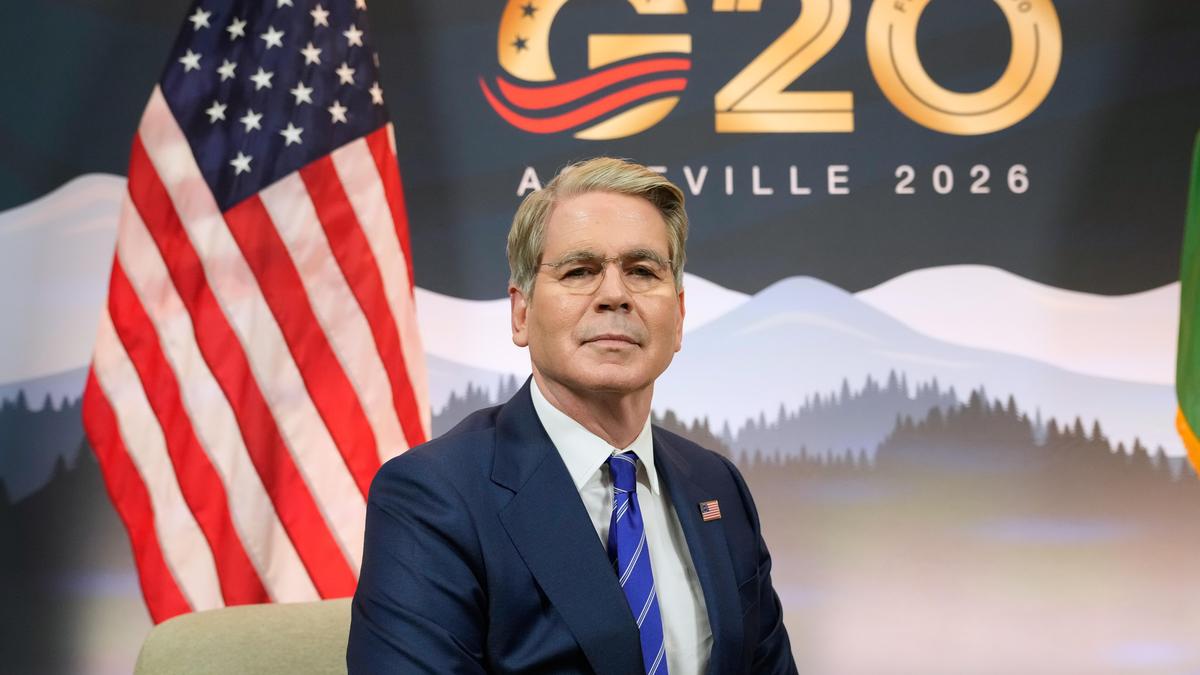
The global economic landscape often feels like a sprawling, interconnected web of alliances and antagonisms, and few observers offer as sharp a perspective as Scott Bessent, founder of Key Square Capital Management. His recent insights have painted a nuanced picture of the current geopolitical currents, particularly as they pertain to China’s posture within the G20, its evolving relationship with Japan, and the ongoing diplomatic friction involving Canada. Bessent’s analysis suggests that beneath the surface of official communiqués, a significant realignment of international relations is underway, driven by both economic imperatives and strategic rivalries.
China’s absence, or rather, the specific nature of its representation at the recent G20 summit, offered a potent symbol of this shift. Rather than a full-throated engagement, Beijing’s approach seemed to underscore a growing divergence in global governance philosophies. Bessent highlighted how this G20 dissent isn’t merely about protocol; it reflects a broader recalibration of China’s international engagement, perhaps signaling a move towards alternative multilateral platforms where its influence might be less diluted. This strategic distancing, he posited, could have long-term implications for the efficacy and relevance of established institutions, forcing other major economies to reassess their own diplomatic strategies.
Simultaneously, the relationship between China and Japan continues to be a focal point of regional and global stability. Bessent touched upon the intricate dance between economic interdependence and historical grievances that characterizes this pairing. While trade links remain robust, underlying tensions persist, fueled by territorial disputes and differing visions for regional security. Japan, under its current leadership, has been increasingly assertive in its own foreign policy, often aligning more closely with Western powers on issues like human rights and maritime security. This trajectory, Bessent suggested, positions Japan as a critical counterweight in the Indo-Pacific, a role that Beijing undoubtedly watches with keen interest, adding another layer of complexity to the broader geopolitical equation.
Then there is the ongoing spat between China and Canada, a situation that Bessent characterized as a microcosm of larger East-West ideological clashes. What began with the arrest of Huawei executive Meng Wanzhou and Beijing’s subsequent detention of two Canadians, Michael Kovrig and Michael Spavor, has morphed into a protracted diplomatic freeze. This incident, in Bessent’s view, exemplifies the challenges smaller nations face when caught between superpowers, highlighting the economic and political leverage China is willing to exert to achieve its objectives. The Canadian government’s firm stance, despite economic repercussions, underscores a growing resolve among some Western nations to push back against perceived coercion.
These interconnected threads, as Bessent articulated, point to a period of heightened uncertainty and strategic competition rather than cooperation. The G20, once seen as the premier forum for global economic coordination, now appears to be navigating internal fissures. Japan is solidifying its strategic position, while Canada’s experience serves as a cautionary tale for others. Investors and policymakers alike, Bessent concluded, must recognize that the rules of engagement are being rewritten, and understanding these subtle yet significant shifts is paramount for navigating the complex global economy that lies ahead. The days of predictable international relations, it seems, are increasingly behind us.