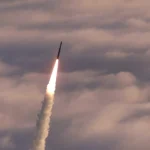


Ukrainian forces have reportedly made incremental gains in several key sectors along the extensive front line, signaling a renewed push in their ongoing counteroffensive. Recent assessments from both Kyiv and Western intelligence agencies suggest that these advances, though slow, are contributing to an increasingly complex strategic picture for Moscow. The operational tempo appears to be shifting, with Ukrainian units leveraging newly acquired Western armaments and evolving tactics to challenge entrenched Russian positions. This dynamic on the battlefield is unfolding against a backdrop of intensifying scrutiny over Russia’s military performance and its broader geopolitical standing.
Reports from the Zaporizhzhia region indicate that Ukrainian troops have penetrated elements of Russia’s primary defensive lines in localized areas. These breakthroughs, if consolidated, could potentially open new avenues for deeper incursions, targeting critical supply routes and logistical hubs. While significant territorial shifts remain elusive, the persistent pressure exerted by Ukrainian forces is compelling Russian commanders to commit additional resources and personnel to bolster defenses, potentially stretching their capabilities across other sectors. The strategic objective for Ukraine appears to be not just territorial recovery but also the continuous degradation of Russia’s fighting capacity and the disruption of its command and control structures.
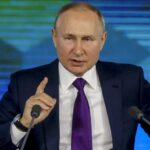
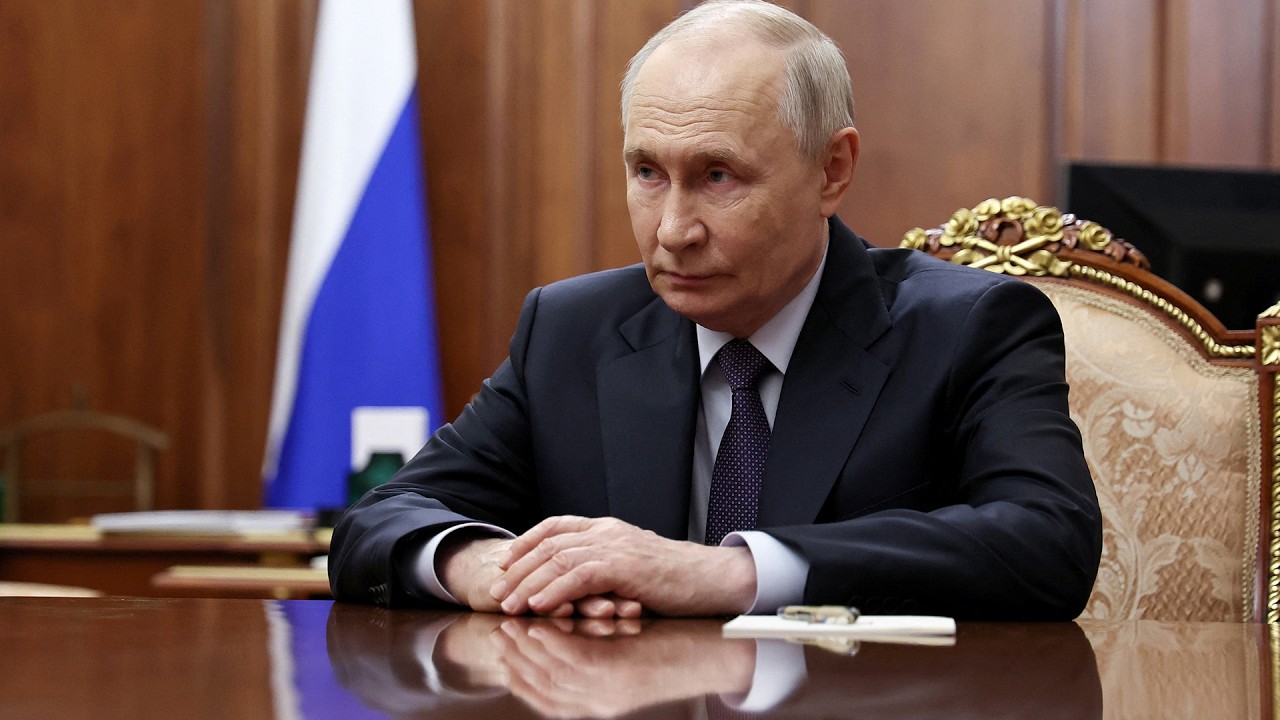
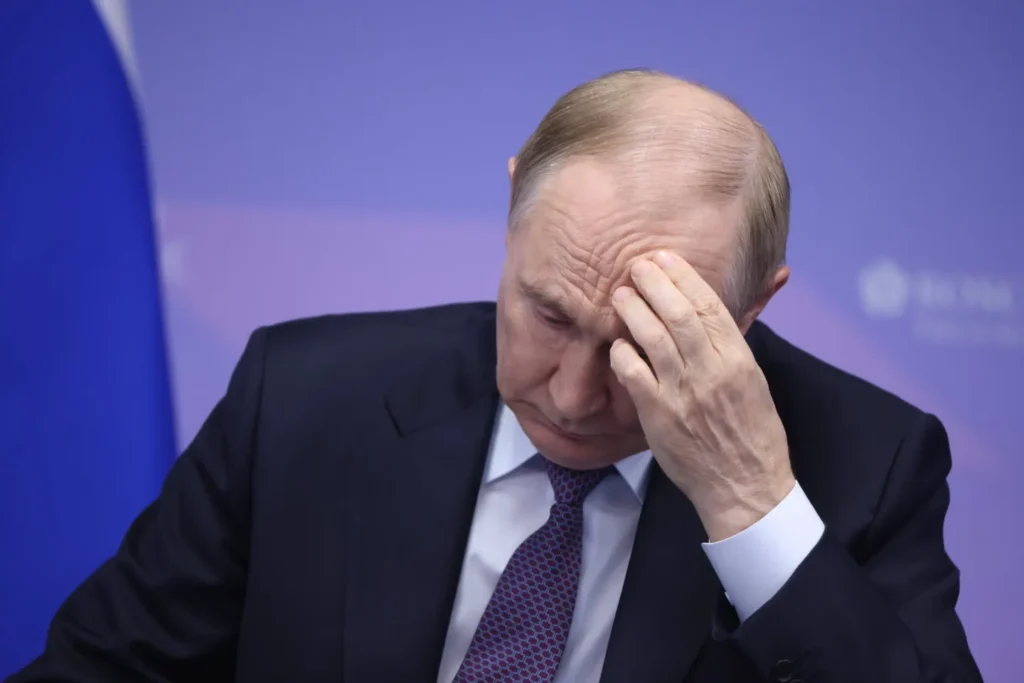
Internally, Vladimir Putin is navigating a period marked by a confluence of military challenges and domestic considerations. The protracted nature of the conflict, coupled with its economic and human costs, continues to resonate within Russia. Public discourse, while largely controlled, occasionally reveals undercurrents of dissatisfaction, particularly concerning the mobilization efforts and the perceived efficacy of the military campaign. The Kremlin has consistently sought to project an image of stability and resolve, yet the sustained military pressure from Ukraine inevitably complicates this narrative. The recent shifts on the battlefield add another layer to the complex calculations facing the Russian leadership.
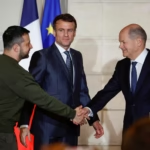
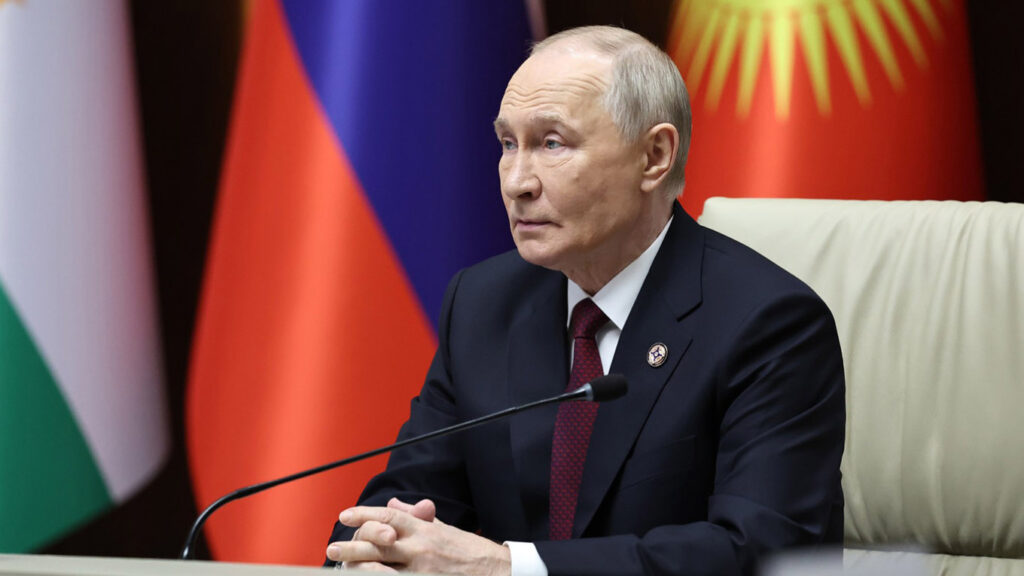
Internationally, the Kremlin’s diplomatic isolation persists, with Western nations maintaining a unified front in their support for Ukraine. The ongoing provision of advanced military hardware, coupled with financial aid and intelligence sharing, has been crucial in enabling Ukraine to sustain its defense and mount offensive operations. This concerted international effort directly impacts Putin’s strategic options, limiting his ability to dictate terms on the global stage and increasing the long-term strain on Russia’s economy. The effectiveness of these sanctions and the continued international solidarity remain critical factors influencing the trajectory of the conflict.
The coming weeks are likely to be pivotal, as both sides endeavor to consolidate their positions and prepare for potential escalations or shifts in strategy. Ukraine’s ability to sustain its current momentum and capitalize on any breakthroughs will be closely watched, as will Russia’s response to these evolving battlefield dynamics. The interplay between military developments, domestic pressures within Russia, and the unwavering international support for Ukraine will collectively shape the next phase of this conflict, keeping the focus squarely on the decisions emanating from both Kyiv and the Kremlin.
Related Posts

Previous Post
Next Post
Sponsored Content

Sponsored Content