

Morgan Stanley Suggests SpaceX Valuation at $100 Billion Overlooks Future AI Contributions

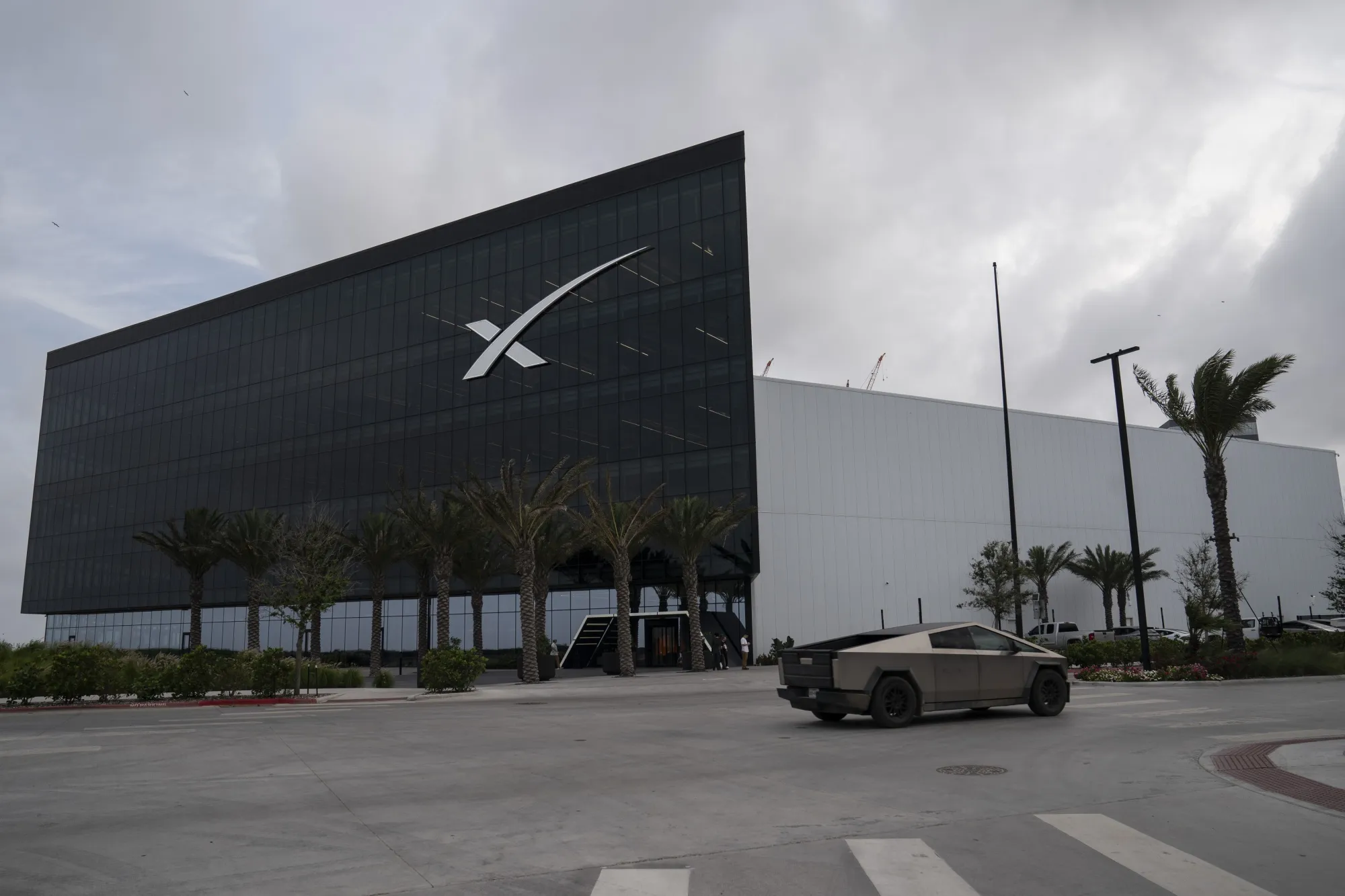
The valuation of SpaceX at an even $100 billion, while significant, implicitly suggests a negligible future contribution from artificial intelligence to the company’s long-term prospects, according to recent analysis from Morgan Stanley. This perspective emerges as the market grapples with how to properly account for the burgeoning influence of AI across diverse industries, particularly in sectors as technologically advanced as space exploration and satellite communications. The firm’s assessment highlights a potential disconnect between current market multiples and the anticipated transformative power of AI, especially within a company known for its ambitious technological development.
Morgan Stanley’s research posits that if SpaceX were valued solely at $100 billion, it would essentially discount the substantial potential for AI to optimize rocket launches, enhance satellite operations, and streamline the myriad complex processes inherent in space logistics. This isn’t to say that SpaceX lacks AI integration today; rather, the argument is that a valuation at this specific threshold implies that the future upside from more advanced, pervasive AI applications is not being fully recognized or priced in by investors. Such a valuation, in their view, would not adequately reflect the potential for AI to drive efficiencies, reduce costs, and unlock new revenue streams that are not yet fully realized but are certainly within the company’s strategic roadmap.
The implications extend beyond mere financial figures, touching upon the very narrative of technological progress within the space industry. Companies like SpaceX are at the forefront of integrating cutting-edge technologies, and AI is increasingly viewed as a foundational element for future innovation. From autonomous navigation systems for Starship to intelligent network management for Starlink’s satellite constellation, AI is poised to play an ever-larger role. If a $100 billion valuation doesn’t capture this growth trajectory, it raises questions about how traditional valuation models are adapting to the rapid pace of technological evolution, particularly in areas like machine learning and predictive analytics.
Analysts at Morgan Stanley often scrutinize the long-term drivers of growth for companies in high-tech sectors, and AI has become a critical component of that analysis. Their position suggests that any valuation failing to account for AI’s compounding benefits might be underestimating a company’s true intrinsic value. For SpaceX, a company that has consistently pushed the boundaries of what is possible in space, the integration of advanced AI is not a peripheral concern but a central pillar of its strategy for future endeavors, including lunar missions and potentially Mars colonization.
This perspective invites a broader discussion within the investment community about how to quantify the value of nascent technologies. Unlike tangible assets or established revenue streams, the future impact of AI can be difficult to model with precision. However, ignoring it entirely, as a $100 billion valuation might implicitly do according to Morgan Stanley, could lead to an incomplete picture of a company’s growth potential. As SpaceX continues to innovate and expand its operations, the role of artificial intelligence in its success will likely become more explicit, potentially leading to re-evaluations of its market worth that more fully acknowledge its AI-driven advantages.
Related Posts


Previous Post
Next Post


Sponsored Content

Sponsored Content