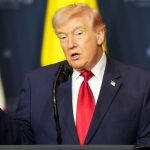


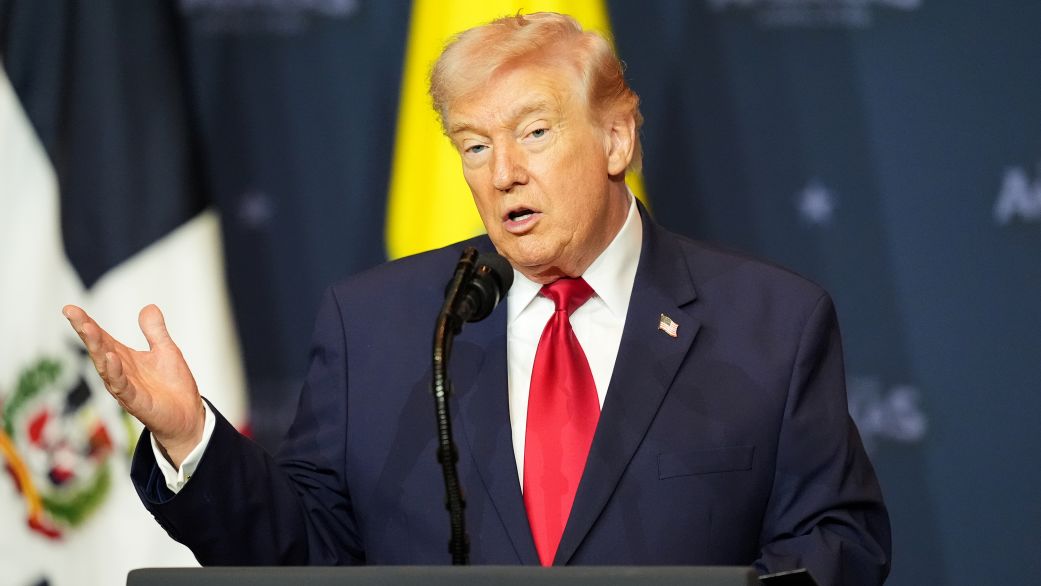
President Donald Trump recently articulated his perspective on the state of US military superiority, emphasizing its critical role in maintaining global stability. Speaking to a gathering, Trump detailed his administration’s efforts to modernize and strengthen the armed forces, pointing to significant investments made during his tenure. He argued that a robust and technologically advanced military remains the bedrock of American influence and a deterrent against potential adversaries across the world.
During his address, Trump underscored specific initiatives he championed, including increased defense spending and the development of new military technologies. He frequently highlighted what he perceived as a necessary resurgence of American military might, a theme that resonated throughout his presidency. This focus, he suggested, was not merely about maintaining an edge, but about ensuring the United States could effectively respond to any threat, anywhere on the globe, thereby safeguarding national interests and projecting strength to allies and rivals alike.
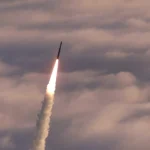
The discussion around military superiority often involves a complex interplay of budget allocations, technological innovation, and strategic deployments. Under Trump’s guidance, the Pentagon saw substantial budget increases, diverting funds towards research and development in areas such as hypersonic weapons, artificial intelligence, and advanced cyber capabilities. These investments, according to his administration, were essential for outpacing competitors and preserving the qualitative advantage the US military has historically held.
Critics and analysts frequently debate the true measure of military superiority, which extends beyond sheer numbers of personnel or equipment. Factors like readiness, strategic partnerships, intelligence capabilities, and the ability to project power globally all contribute to a nation’s military standing. Trump’s remarks often centered on the more tangible aspects of power, such as the size of the fleet or the destructive capacity of weaponry, aligning with a more traditional view of military strength.
The former president also touched upon the competitive landscape, acknowledging the advancements made by other global powers. He maintained that while other nations are indeed investing heavily in their defense capabilities, the United States must consistently strive to remain ahead. This ongoing commitment to innovation and expansion, he argued, is not a luxury but a fundamental requirement for the nation to navigate an increasingly complex international environment and ensure its long-term security. The implications of these views continue to shape ongoing defense policy discussions and the broader strategic outlook for the United States on the global stage.

Related Posts
Previous Post
Next Post
Sponsored Content

Sponsored Content