
How the Iran Conflict Is Reshaping China’s Global Standing

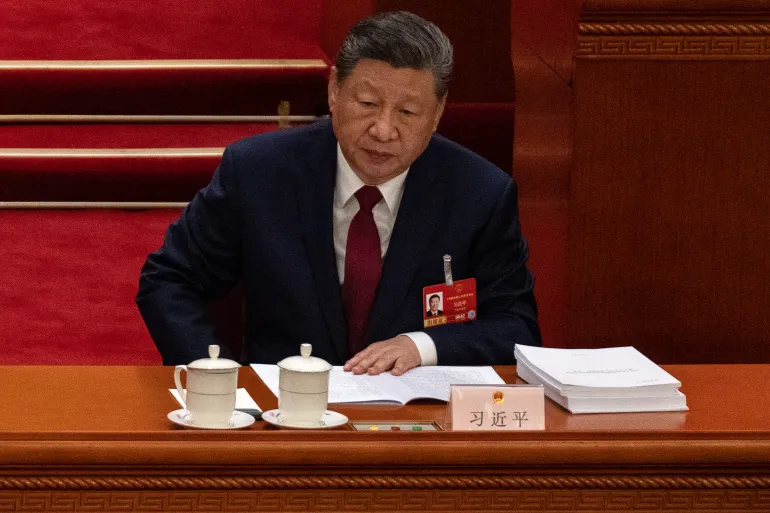
The recent escalation of tensions surrounding Iran has cast a stark light on Beijing’s evolving diplomatic and economic calculus on the world stage. For years, China has meticulously cultivated a foreign policy emphasizing non-interference and economic partnership, often positioning itself as a neutral arbiter. However, the intricacies of the situation involving Iran, a crucial energy supplier and Belt and Road Initiative partner, are testing the limits of this long-held approach, forcing a re-evaluation of China’s strategic priorities and its capacity to exert influence in volatile regions.
Beijing’s immediate response has been characterized by calls for de-escalation and restraint from all parties, a familiar refrain in its foreign policy statements concerning regional conflicts. This stance reflects a primary concern for stability, which is paramount to safeguarding its significant investments and ensuring the unimpeded flow of oil and gas. China remains Iran’s largest trading partner and a major consumer of its crude, making any disruption to the region’s energy infrastructure a direct threat to China’s economic security and industrial output. The specter of increased oil prices or supply chain disruptions looms large in Chinese economic planning, underscoring the delicate balance Beijing must maintain.
Beyond economic considerations, the situation also highlights China’s aspiration for a more prominent role in global governance, albeit one that avoids direct military entanglement. While the United States and its allies often lead multilateral efforts to address security crises, China has historically preferred to leverage its economic clout and diplomatic channels. The current scenario presents an opportunity, or perhaps a challenge, for Beijing to demonstrate its capacity to mediate or at least significantly influence outcomes without resorting to the confrontational tactics often associated with traditional great powers. This is a subtle but critical distinction in China’s self-portrayal on the international stage.
The Belt and Road Initiative, China’s ambitious infrastructure development project, further complicates its position. Iran sits at a critical juncture along potential land and maritime routes connecting China to Europe and Africa. Stability in Iran and the broader Middle East is therefore not just about oil, but also about the viability and security of these strategically important trade corridors. Any prolonged conflict or significant instability could jeopardize years of investment and undermine the narrative of a peaceful, prosperous interconnected world that the Belt and Road aims to project.
Analysts are observing whether China will move beyond its traditional calls for restraint to actively seek a diplomatic solution, perhaps by leveraging its unique relationship with Tehran. Such a move would signal a significant shift from reactive diplomacy to proactive peacemaking, potentially positioning China as a more indispensable player in global security architecture. However, this also carries risks, as any perceived failure or misstep could damage its carefully constructed image of neutrality and non-alignment, particularly if it is seen to be taking sides or undermining existing international frameworks.
Ultimately, the unfolding situation around Iran serves as a crucial litmus test for China’s true global ambitions. It forces Beijing to confront the tension between its desire for economic stability and its growing aspiration for international influence. The choices made, or not made, in the coming months will offer a clearer picture of whether China is content to merely observe and react, or if it is prepared to actively shape the outcomes of complex geopolitical crises in a manner commensurate with its rising global stature. The world is watching to see if China will embrace the responsibilities that often accompany great power status, or if it will continue to prioritize a more circumscribed role.

Related Posts
Previous Post
Next Post
Sponsored Content

Sponsored Content