

Gold Prices Hold Steady as Concerns Mount Over Federal Reserve Autonomy

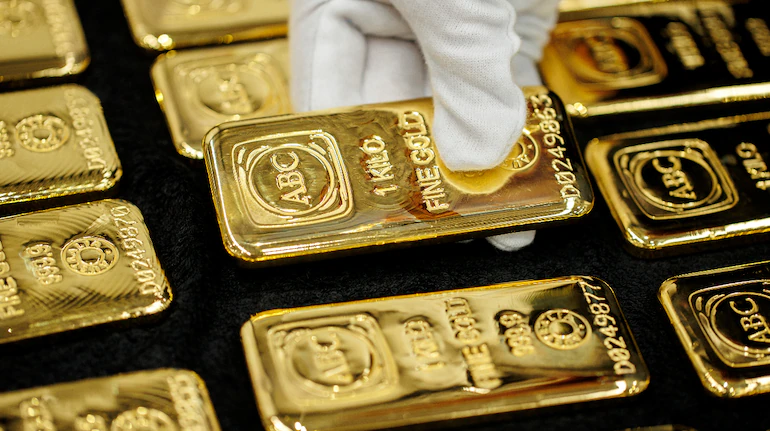
Gold prices have maintained their elevated position, hovering near record highs, as market participants increasingly vocalize concerns regarding the perceived independence of the Federal Reserve. This sustained interest in the precious metal reflects a broader unease about potential political pressures on the central bank and its long-term monetary policy decisions. Investors often view gold as a reliable hedge against economic instability and inflation, making its current trajectory a significant indicator of market sentiment.
The discussion surrounding the Federal Reserve’s autonomy is not new, but it has gained particular traction in recent months amidst a complex economic landscape. Questions about the central bank’s ability to act solely on economic data, free from external influence, have contributed to a climate of uncertainty. This environment naturally pushes some investors toward assets traditionally seen as safe havens, such as gold, which tends to perform well during periods of perceived risk or when confidence in traditional financial systems wavers. The metal’s resilience in the face of fluctuating bond yields and a relatively strong dollar underscores the depth of these underlying anxieties.
Historical precedents offer some context for the current situation. During times when governments have been seen to exert undue influence on central banks, leading to policies that might prioritize short-term political gains over long-term economic stability, gold has frequently seen increased demand. This pattern suggests that the current market behavior is not merely a reaction to immediate economic indicators but a reflection of deeper structural concerns about institutional integrity and policy predictability. The implications extend beyond just commodity markets, touching on investor confidence in sovereign debt and currency stability.
Analysts point to several factors contributing to the heightened scrutiny of the Federal Reserve. Public statements from political figures, debates over the central bank’s dual mandate of maximum employment and price stability, and the sheer scale of recent monetary interventions have all played a role. While the Federal Reserve officially operates independently, its actions are always subject to public and political discourse. The current intensity of this discourse appears to be a key driver for gold’s steady performance, signaling that a segment of the market is pricing in a higher risk premium related to future monetary policy.
The sustained high valuation of gold also suggests that investors are looking beyond short-term interest rate decisions. While the immediate outlook for rate cuts or hikes can certainly sway gold prices, the metal’s current stability near record levels indicates a focus on more fundamental, systemic issues. This includes the potential for persistent inflation, the long-term trajectory of government debt, and the overall reliability of economic forecasts in a rapidly changing global environment. For many, gold represents a tangible asset that retains value when paper currencies or other financial instruments might falter.
Looking ahead, the trajectory of gold prices will likely remain closely tied to developments surrounding central bank independence and broader economic policy. Any perceived strengthening or weakening of the Federal Reserve’s ability to make decisions without political interference could significantly impact investor sentiment. Until a clearer picture emerges regarding the long-term direction of monetary policy and the stability of economic institutions, gold is expected to continue serving its role as a barometer for market anxiety and a preferred store of value for those seeking shelter from uncertainty. The current situation underscores the enduring appeal of precious metals in an increasingly complex financial world.

Previous Post
Next Post


Sponsored Content

Sponsored Content