
Big Tech Spends $226,000 Daily Lobbying Congress as Influence Campaigns Intensify

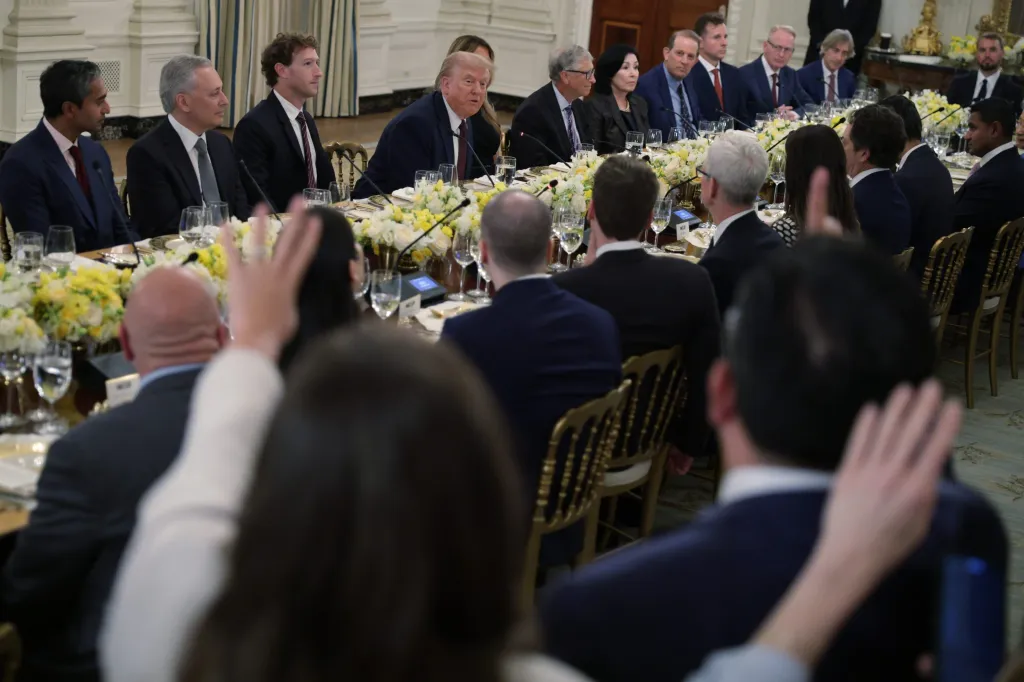
The halls of Congress are increasingly becoming a familiar landscape for representatives of the technology industry. A recent analysis by Issue One, a bipartisan political reform group, reveals that 11 prominent tech companies, including Alphabet, Microsoft, Anthropic, and OpenAI, collectively spent $20 million on federal lobbying efforts during the first three months of 2026. This translates to an average daily expenditure of approximately $226,000 within that 90-day period. This substantial investment underscores a growing trend, with Big Tech’s lobbying outlays nearly doubling since 2020, coinciding with heightened public scrutiny over social media’s societal impact and the rapid emergence of artificial intelligence.
Meta Platforms led the pack in the first quarter, dedicating $7.1 million to federal lobbying. This figure, though considerable, represents a slight decrease of about $900,000 compared to the same period in the previous year. Alphabet, encompassing entities like Google and YouTube, followed with $4.13 million in spending, an increase of roughly $400,000 from its first-quarter spending in 2025. These figures highlight the consistent and significant financial commitment major tech players are making to shape policy in Washington.
Beyond the established giants, emerging AI-focused companies are rapidly escalating their presence. Anthropic, for instance, dramatically increased its lobbying expenditures more than fourfold, from $360,000 in the first quarter of last year to $1.56 million in the most recent quarter. OpenAI also nearly doubled its lobbying budget during this time, moving from $560,000 to $1.02 million. This surge in spending by AI firms reflects a proactive strategy to influence regulatory frameworks as the technology rapidly advances and its potential societal implications become clearer. Michael Beckel, Issue One’s director of money and politics reform, suggests that such heavy investment in Washington influence operations is a common tactic for companies across various sectors to gain access and ensure their perspectives are heard by policymakers.
The sheer scale of this influence operation becomes even more apparent when considering the personnel involved. Alphabet, Meta, Microsoft, Nvidia, Anthropic, and OpenAI collectively employed 307 lobbyists during the first quarter. This ratio means there was roughly one lobbyist for every two members of Congress. Alphabet alone engaged 88 lobbyists, while Meta employed 86, effectively assigning one lobbyist for every six members of the legislative body. This extensive network of advocates is tasked with communicating company interests and concerns directly to lawmakers and their staff.
This intensified lobbying push occurs amid increasing public skepticism towards Big Tech. A March survey by Pew Research Center indicated that approximately one-third of Americans believe data centers, critical infrastructure for AI, have a negative impact on the environment, energy costs, and local quality of life. As more of these facilities emerge in communities, public sentiment could become a significant factor in future policy debates. The intersection of public concern, technological advancement, and significant corporate lobbying sets a complex stage for upcoming legislative sessions.
Looking ahead, AI and energy are poised to be central themes as midterm election campaigns gain momentum. The question remains how lawmakers will navigate the growing influence of AI giants while also addressing constituents’ concerns. Lobbying is just one facet of this broader influence campaign; companies are also investing heavily in campaign contributions. Major AI players have reportedly channeled almost $200 million into Super PAC operations, signaling a comprehensive strategy to shape the political landscape in the lead-up to the 2026 midterms. These federal figures do not even account for the considerable resources Big Tech allocates to influencing state and local politics, where specific regulations, such as those concerning AI liability, are also being debated. For example, Anthropic and OpenAI are currently backing opposing bills in the Illinois General Assembly regarding liability for frontier AI companies in the event of extreme disasters. OpenAI supports a bill that would exempt frontier AI developers from liability for catastrophic events causing significant harm or damage, while Anthropic advocates for a bill requiring public safety and child protection plans, along with an incident reporting system for “catastrophic risk” events.

Previous Post
Next Post
Previous Post
Next Post
Sponsored Content

Sponsored Content