
US Midterm Results Show American Populism Evolving Beyond Trump

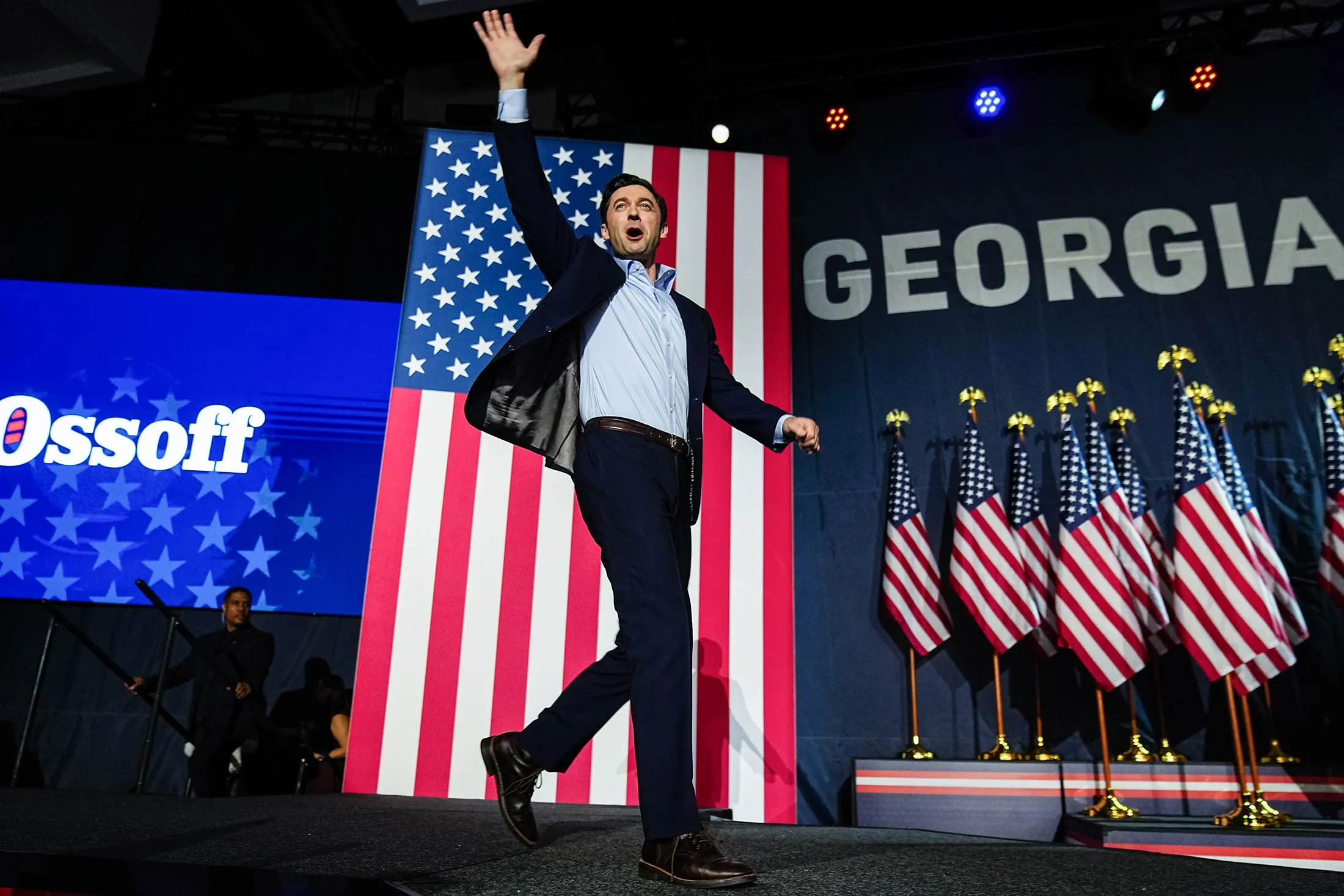
The 2026 US midterms delivered a sharp rebuke of Donald Trump and his policies, yet the rejection of Trump-style populism does not mean economic populism is fading. Instead, it is being reshaped and embraced across the political spectrum.
The 2026 United States midterm elections delivered a clear rejection of President Donald Trump and the policies that defined his return to the White House. Voters pushed back against the Iran war, disruptive tariffs, and an immigration crackdown that included masked government agents. The Trump brand of economic populism, which has dominated American politics and global debate for more than a decade, hit an unforgiving political wall.
But writing off economic populism along with Trump would be a mistake. The midterms did not kill the movement. They showed it is mutating. Populists are now a permanent feature of American politics, and they are diversifying across party lines. That evolution is likely to shape not only the 2028 presidential race but also economic policy in the United States for years to come.
From outsider force to establishment strain
Before Trump descended the escalator in 2015, populism was a marginal force in modern American politics. Occasional figures on the left and right flirted with anti-elite rhetoric, but neither major party built its identity around it. Trump changed that. He fused grievance over trade, immigration, and cultural decline into a governing philosophy that captured the Republican Party and forced Democrats to respond.
What the midterms revealed is that populism has outgrown its founder. Voters did not reject the idea that the economy is rigged against ordinary people, that big corporations wield too much power, or that Washington has lost touch with working Americans. They rejected Trump’s particular packaging of those grievances: the chaos, the cruelty, and the foreign policy adventurism that came with it.
Democrats embrace their own populisms
The most important development on election night was not a return to pre-Trump centrism. It was the emergence of several distinct progressive populist strains, each borrowing from Trump’s insight that economic anxiety is a powerful political force while discarding the authoritarian aesthetic.
One strain is pro-worker and anti-monopoly, animated by the idea that concentrated corporate power is squeezing wages, raising prices, and hollowing out local economies. Another is fiscal populism, skeptical of Wall Street and of a tax code that rewards wealth over work. A third combines traditional progressive economics with a more pragmatic, results oriented style, aimed at voters who want government to work rather than merely perform outrage.
Candidates who blended these messages performed well in places where Democrats have struggled for a generation. The ability to speak to economic resentment without demonizing immigrants or indulging in culture war spectacle proved to be a winning formula. That suggests the old debate over whether Democrats should move left or move to the center is giving way to a more fluid politics in which economic populism is simply assumed.
Republicans face a populist hangover
For Republicans, the results pose a harder question. The party remade itself in Trump's image, yet the voters who once rewarded populist anger appear to have tired of its excesses. The challenge for the GOP is whether it can keep the parts of Trumpism that resonated, skepticism of free trade orthodoxy, hostility to corporate power, and a focus on domestic manufacturing, while shedding the instability that voters punished at the polls.
Some Republicans will no doubt try to revert to a pre-Trump economic agenda of tax cuts and deregulation. That may appeal to donors, but it ignores what the last decade proved: a large slice of the American electorate no longer believes that agenda serves them. The next generation of Republican leaders will have to decide whether to compete for populist voters on economic substance or retreat into culture war symbolism.
What it means for 2028 and beyond
The immediate consequence is a more populist Democratic Party, one less apologetic about using government to challenge corporate power, rewrite trade deals, and raise taxes on the wealthy. The longer term consequence is a presidential race in 2028 in which both parties will likely field candidates who define themselves, in part, against elites.
That has global implications. American economic populism has already reshaped trade policy, industrial strategy, and the relationship between governments and multinational corporations. If the next decade produces a more durable, less volatile version of that politics, the rest of the world will have to adapt. Allies and trading partners accustomed to negotiating with a neoliberal Washington have already spent years adjusting to tariffs and subsidies. A populism that is institutionalized rather than tied to one erratic leader could prove even more consequential.
A new chapter, not the end
The 2026 midterms marked the end of one phase of American populism and the beginning of another. Trump proved that anti-elite economics could move votes. His successors, across both parties, are now figuring out how to carry that energy forward without the baggage. The result is not the death of populism but its normalization. Economic grievance is no longer the property of one party or one leader. It has become one of the defining forces in American politics.