
Trump Builds Up Forces in Gulf as Iran War Enters Ninth Month With No End in Sight

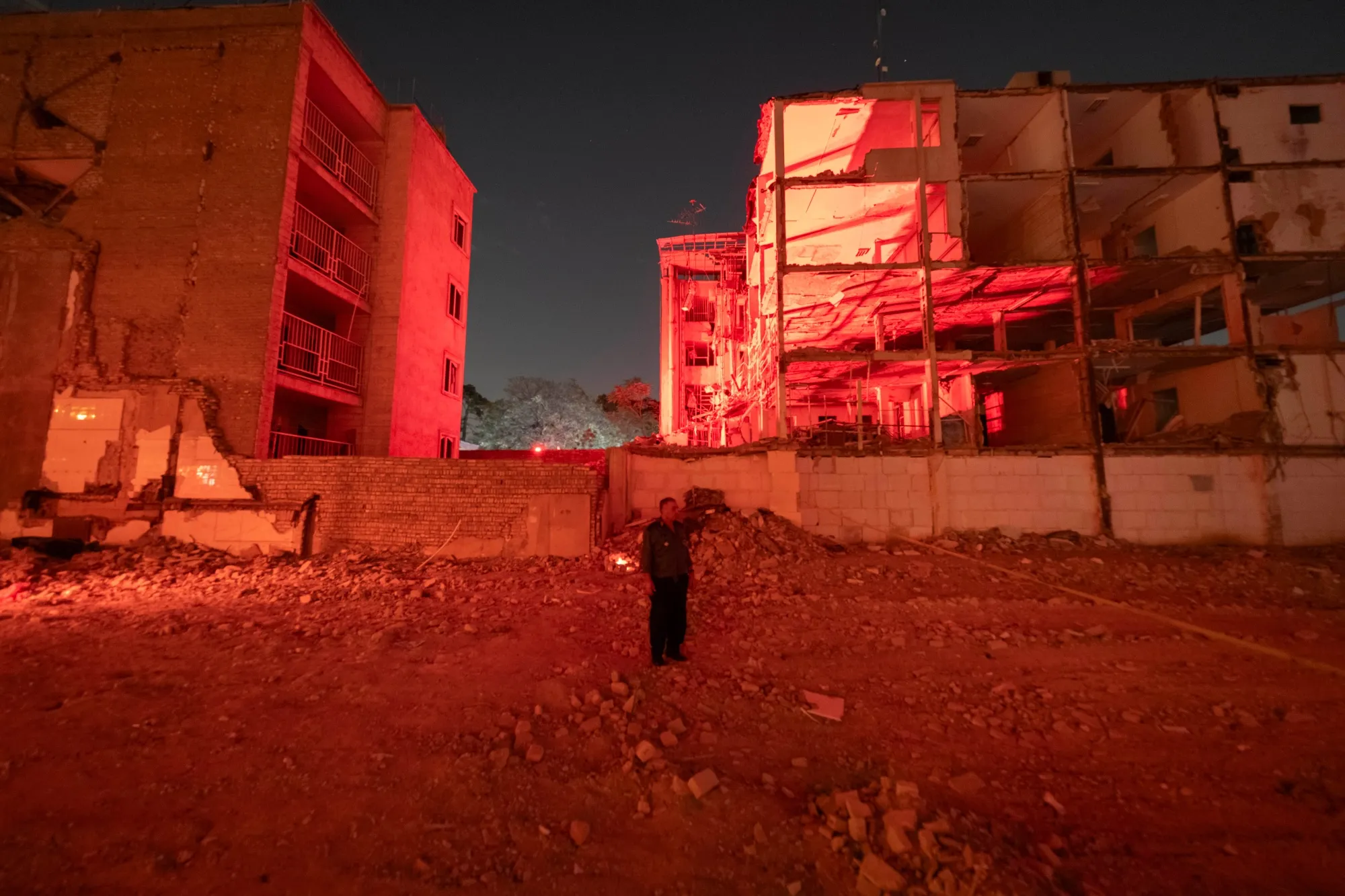
A Middle East war that President Trump once said would be over within weeks is instead heading toward escalation as it enters its ninth month, with Trump repeatedly signaling that US forces could resume strikes on Iran once the November 3 midterm elections conclude.
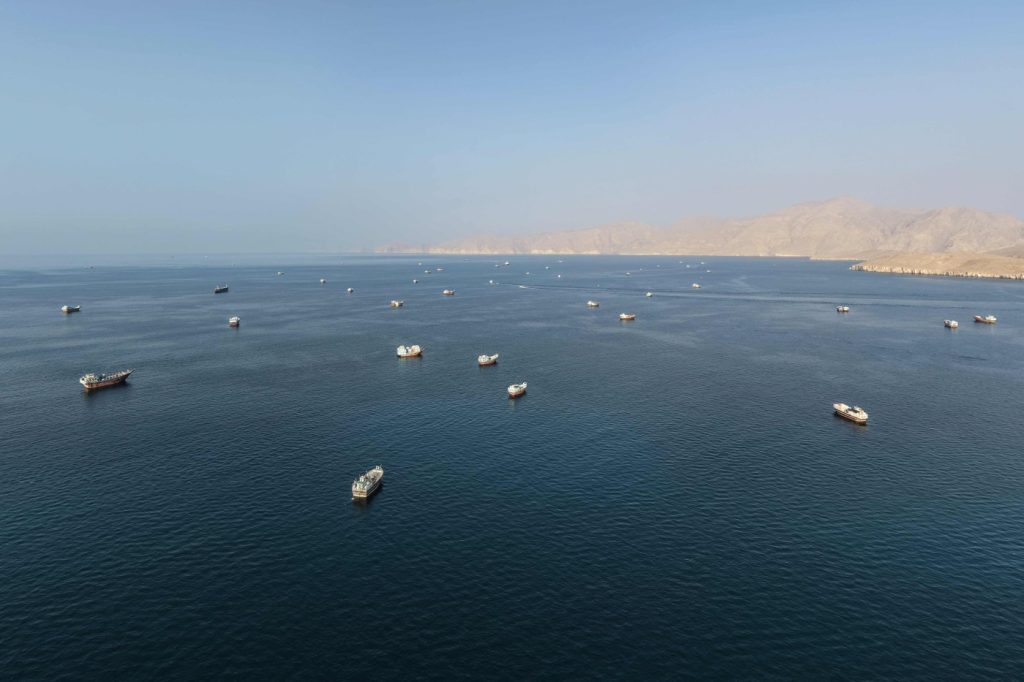
The administration has already dispatched a third aircraft carrier strike group to the region, along with roughly 10,000 additional sailors and Marines moving toward the Persian Gulf, giving American commanders a wider range of options should Trump order a resumption of hostilities.
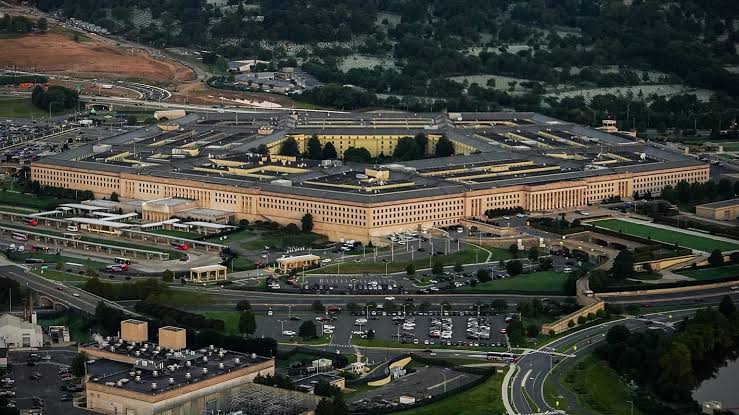
Defense Secretary Pete Hegseth made an unannounced stop in Israel, meeting with Prime Minister Benjamin Netanyahu just days ahead of the Israeli leader’s own sensitive reelection bid, underscoring how closely the two countries’ military planning and political calendars are now intertwined.
Israel, which launched the war against Iran alongside the United States, continues to coordinate closely with Washington on next steps, even as both countries' leaders face their own electoral pressures in the weeks ahead.
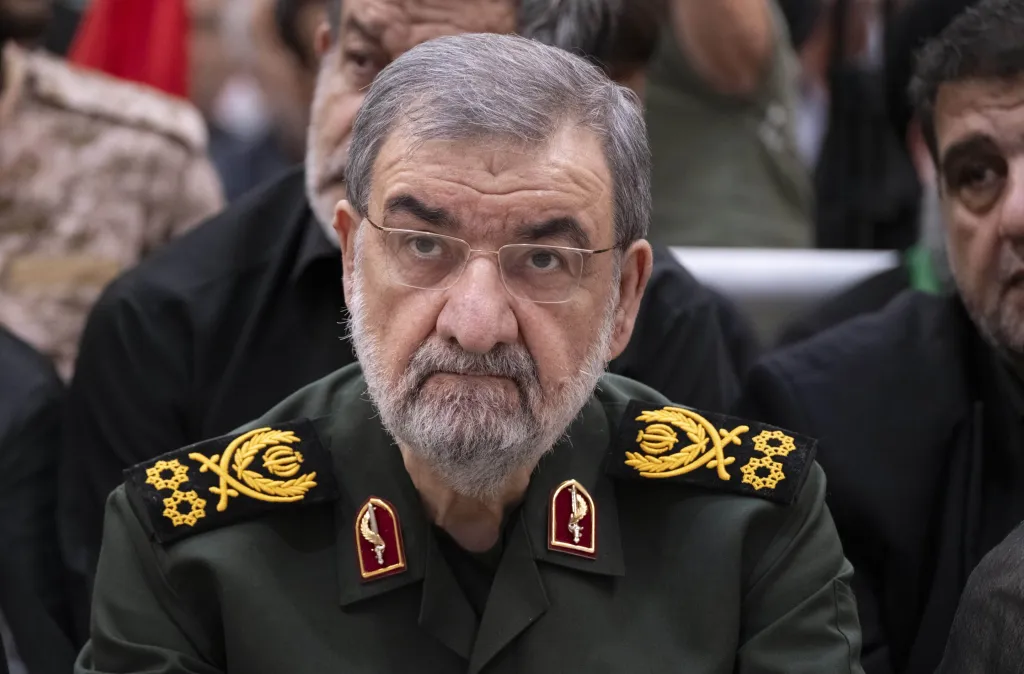
On the Iranian side, Tehran is bracing for a renewed US bombing campaign timed around the midterms and is reportedly preparing to retaliate across the broader Middle East, including potential strikes against both Israel and the United Arab Emirates.
With major military assets already moving into position and both sides openly preparing for the next phase of the conflict, the period immediately following the US midterms looks increasingly likely to determine whether the nine-month war escalates sharply or finds another path forward.