
Kazakhstan’s President Tokayev Urges Vladimir Putin to Halt Ukraine War and Revive Peace Talks

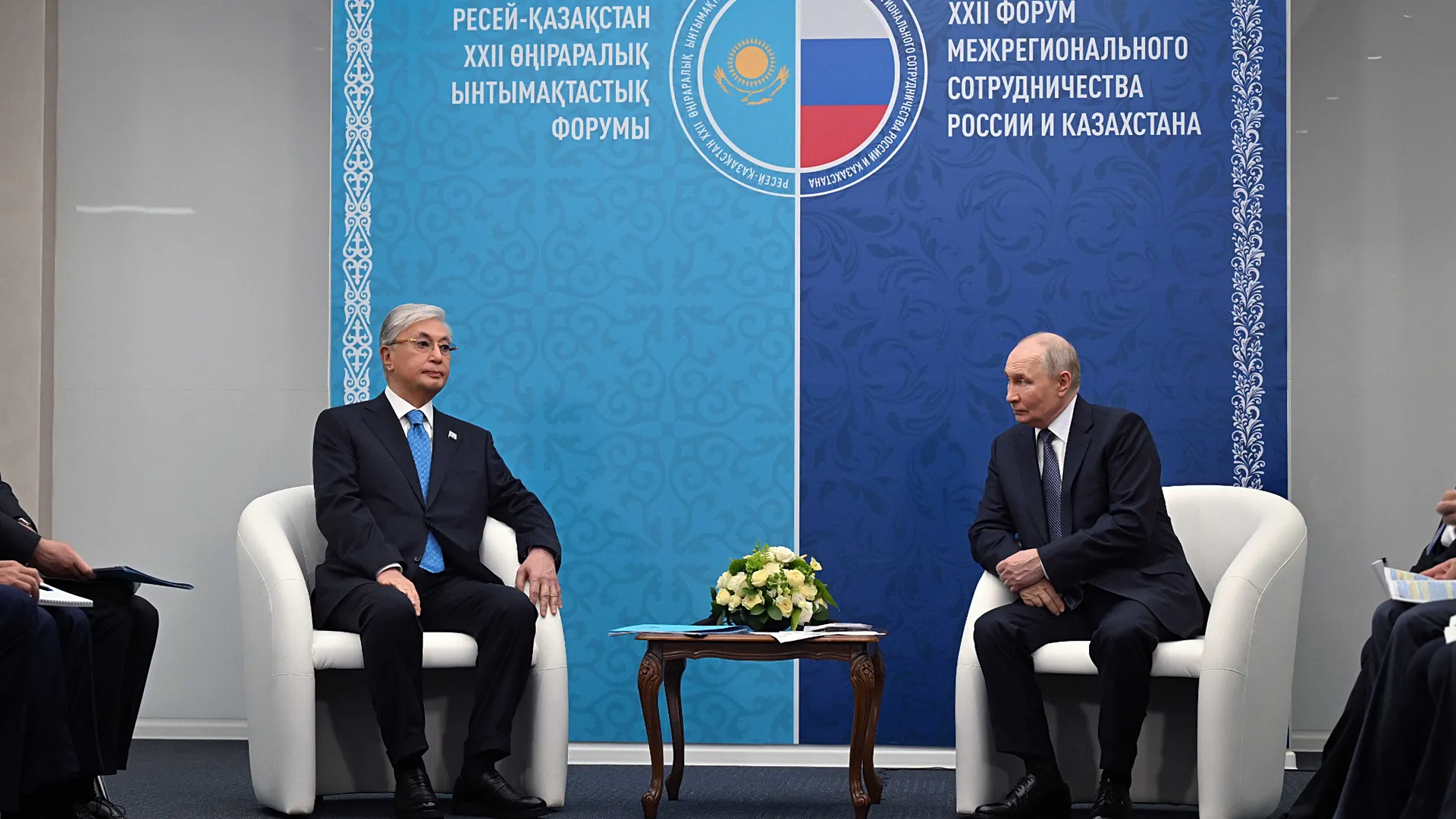
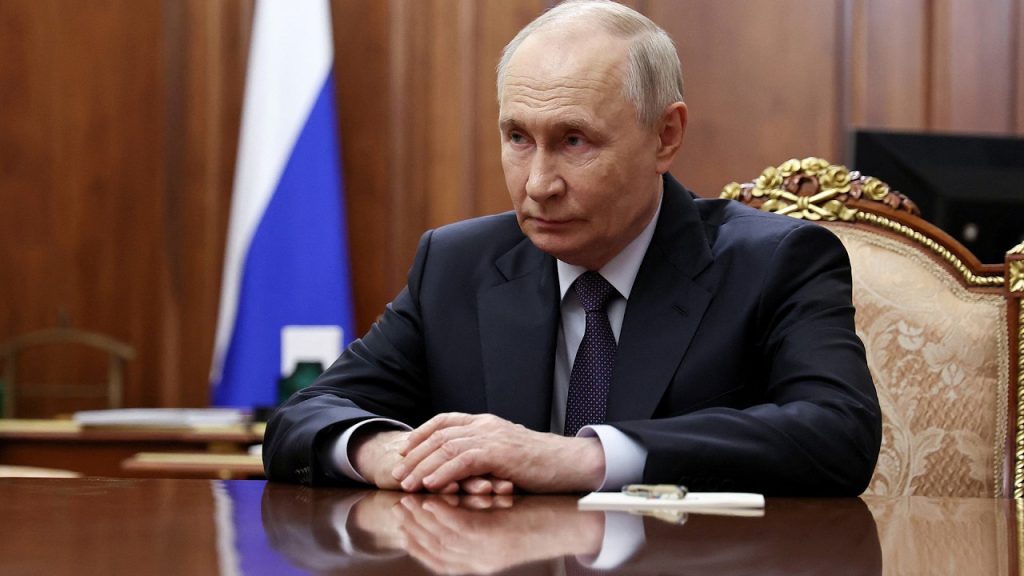
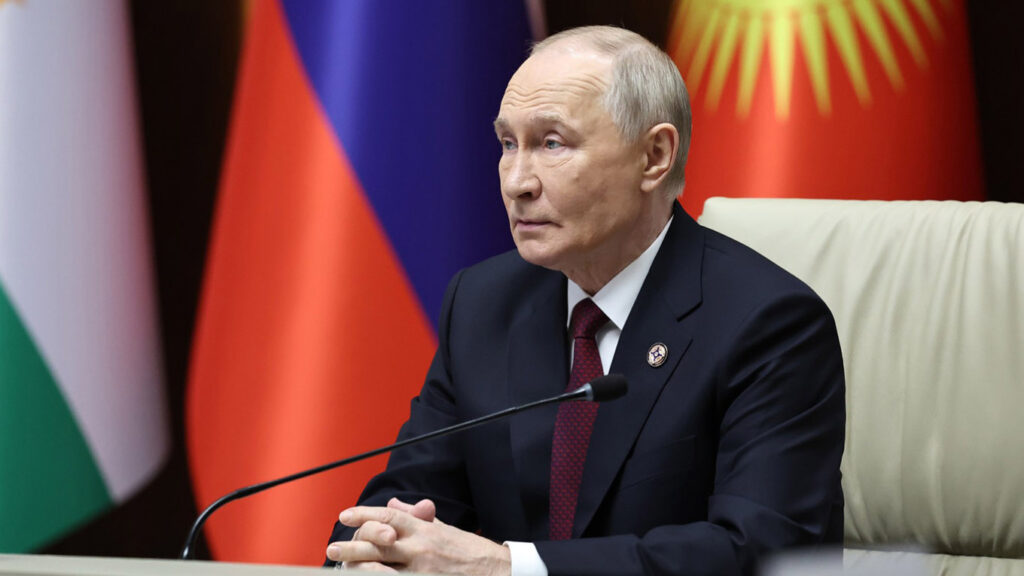
During a recent meeting in Omsk, Kazakh President Kassym-Jomart Tokayev directly suggested to his Russian counterpart, Vladimir Putin, that it might be opportune to freeze the ongoing conflict in Ukraine. Tokayev advocated for a return to what he termed the “Istanbul 2.0” format, referencing previous diplomatic efforts that had shown a degree of promise. He expressed a belief that significant results were achieved during those earlier discussions, and that a revival, supported by guarantees from major powers including Russia, could pave the way for a long-anticipated peace.
The proposal from the Kazakh leader did not go unnoticed in Kyiv. Ukraine’s Foreign Minister Andrii Sybiha acknowledged Tokayev’s stance, stating via social media that Ukraine “appreciated President Kassym-Jomart Tokayev telling Putin it is time to stop the war.” Sybiha characterized Tokayev’s message as both realistic and wise, underscoring that Ukraine has consistently proposed a cessation of hostilities along current frontlines to facilitate diplomatic engagement. He further noted that the Kremlin has, to date, rejected this path toward peace.
Tokayev’s directness with Putin extended beyond the call for a ceasefire. He conveyed Kazakhstan’s consistent respect for the Ukrainian people, their language, and their culture. The Kazakh President also admitted that the nature of the war remained unclear to many, including those in Kazakhstan, and lamented the loss of young lives, stating that “no one knows how to resolve this situation because both sides have their own positions.” He also mentioned receiving numerous signals from European and American entities concerning the conflict. While urging a freeze, Tokayev also made a point to highlight what he described as Putin’s “diplomatic flexibility,” citing a hypothetical future meeting in Anchorage with former US President Donald Trump as an example. Putin reportedly listened to these remarks and indicated he would keep Tokayev informed of developments on the Ukrainian front.
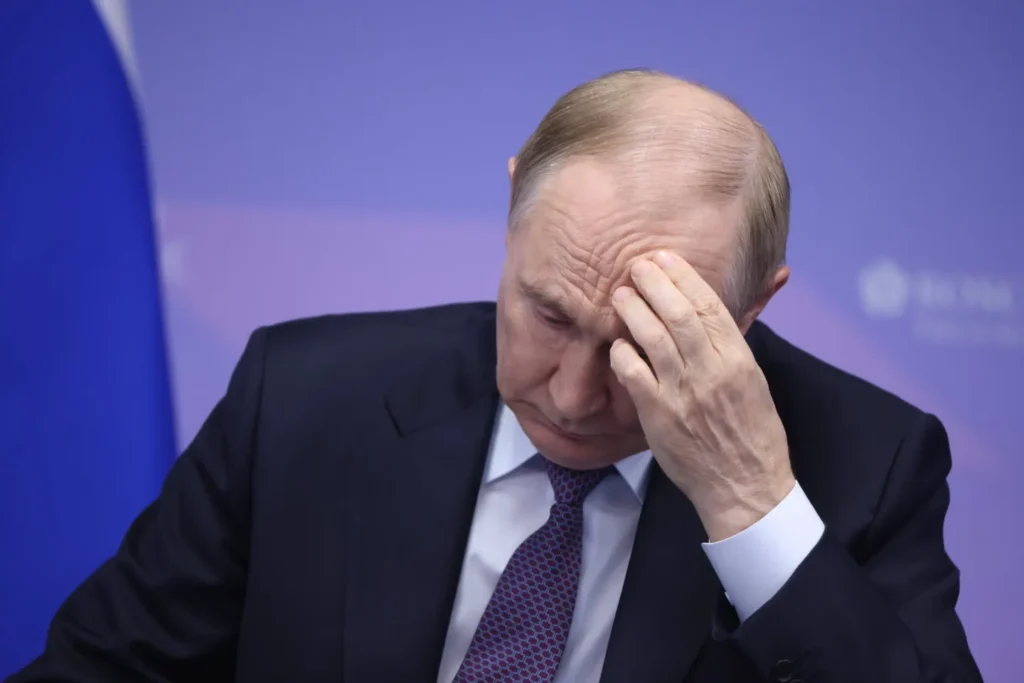
Despite the public appeal from a close ally, the Kremlin quickly dismissed the notion of freezing the conflict. Dmitry Peskov, the Kremlin spokesman, reiterated that while Tokayev has a consistent position on the matter, it does not align with Russia’s view. Peskov acknowledged Kazakhstan as a “closest partner and our closest ally,” but maintained that Russia had not been effective enough in explaining its root causes for the conflict. He affirmed that efforts to communicate Russia’s perspective would intensify.
This exchange took place during the Russia-Kazakhstan Interregional Cooperation Forum in Omsk, following Putin’s visit to Kazakhstan in May. The bilateral meetings have consistently focused on strengthening economic ties, trade, and regional cooperation. Discussions during their most recent meeting covered a wide array of topics, including trade, investment, industrial cooperation, transport, and cross-border development. Tokayev emphasized the opportunity to continue these discussions and identify new avenues for economic expansion.
Putin, in turn, described the interregional forum as a crucial mechanism for reinforcing relations between the neighboring countries. He highlighted the significant trade turnover between Russia and Kazakhstan, which reached nearly $28 billion last year, with a reported increase of over 4% in the first five months of the current year. This cooperation spans diverse sectors such as metallurgy, mechanical engineering, energy, and pharmaceuticals. Tokayev further underscored Russia’s position as one of Kazakhstan’s largest trading partners, noting the positive trend in bilateral trade despite the challenging geopolitical environment. Progress on joint ventures, such as Kazakhstan’s first nuclear power plant, was also cited as a flagship initiative in their economic collaboration.