
U.S. Companies Redirect $71 Billion Tariff Refunds to Counter Iran War Inflation

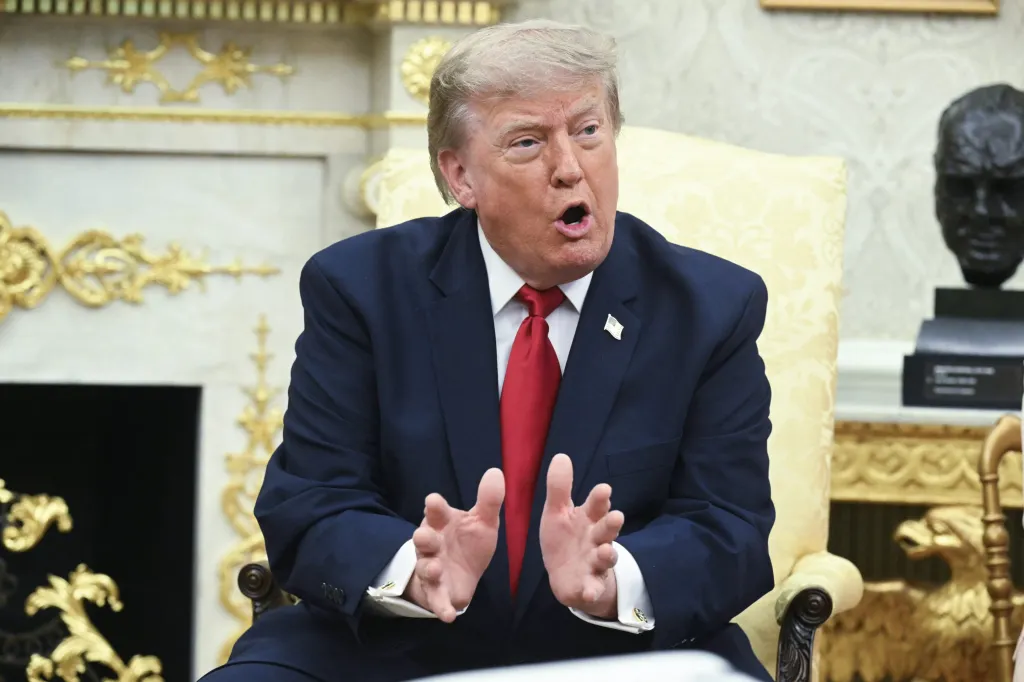
American businesses have begun receiving substantial tariff refunds, totaling approximately $71 billion to date, a sum that represents a significant portion of the $166 billion made available after the Supreme Court invalidated tariffs imposed under the International Emergency Economic Powers Act (IEEPA) in February. However, this financial relief, intended to recoup import tax costs, is frequently being absorbed by a fresh wave of economic pressures, particularly those stemming from the ongoing conflict in the Middle East. Companies are finding themselves in a position where these refunds are not translating into a direct financial boon, but rather serving as a critical buffer against escalating operational expenses.
The economic landscape has shifted considerably since these tariffs were initially levied. While the refunds address past costs, current geopolitical events are introducing new inflationary pressures. PepsiCo Chief Financial Officer Steve Schmitt recently noted that the company anticipates further pressure from commodity prices, indicating that these tariff refunds would be instrumental in offsetting some of the observed commodity inflation. This strategy allows them to maintain their market position without immediately passing all new costs to consumers. Similarly, Ramon Laguarta, PepsiCo’s CEO, highlighted the Iran war’s impact on gas prices, which in turn affects consumer spending habits, particularly reducing discretionary purchases and visits to convenience stores.
Another notable example comes from McCormick & Company. Marcos Gabriel, the spice brand’s CFO, disclosed during an earnings presentation that their $31 million in tariff refunds would be used to counterbalance rising costs. McCormick had already implemented two price increases in the past year due to tariffs and constrained freight capacity. Gabriel explicitly stated that the Middle East conflict is driving inflation that was not initially factored into their projections, making the tariff refunds essential for mitigating these higher expenses. This trend underscores a broader economic reality where the relief from one financial burden is immediately reallocated to address another.
Economists have long argued that the previous tariff policies were inherently inflationary. Goldman Sachs, for instance, warned that even with the IEEPA tariffs struck down, prices would remain elevated due to other existing levies, including those imposed under Sections 122, 232, and 301 of the 1974 Trade Act. While wholesale inflation saw a dip last month as energy prices temporarily receded, renewed tensions in the Strait of Hormuz and renewed attacks on Iran have analysts concerned about a potential resurgence in prices. David Mericle, Goldman Sachs’s chief U.S. economist, projected that if oil prices were to surpass $100 per barrel again, core inflation could see an increase of 3 to 4 basis points in the coming months.
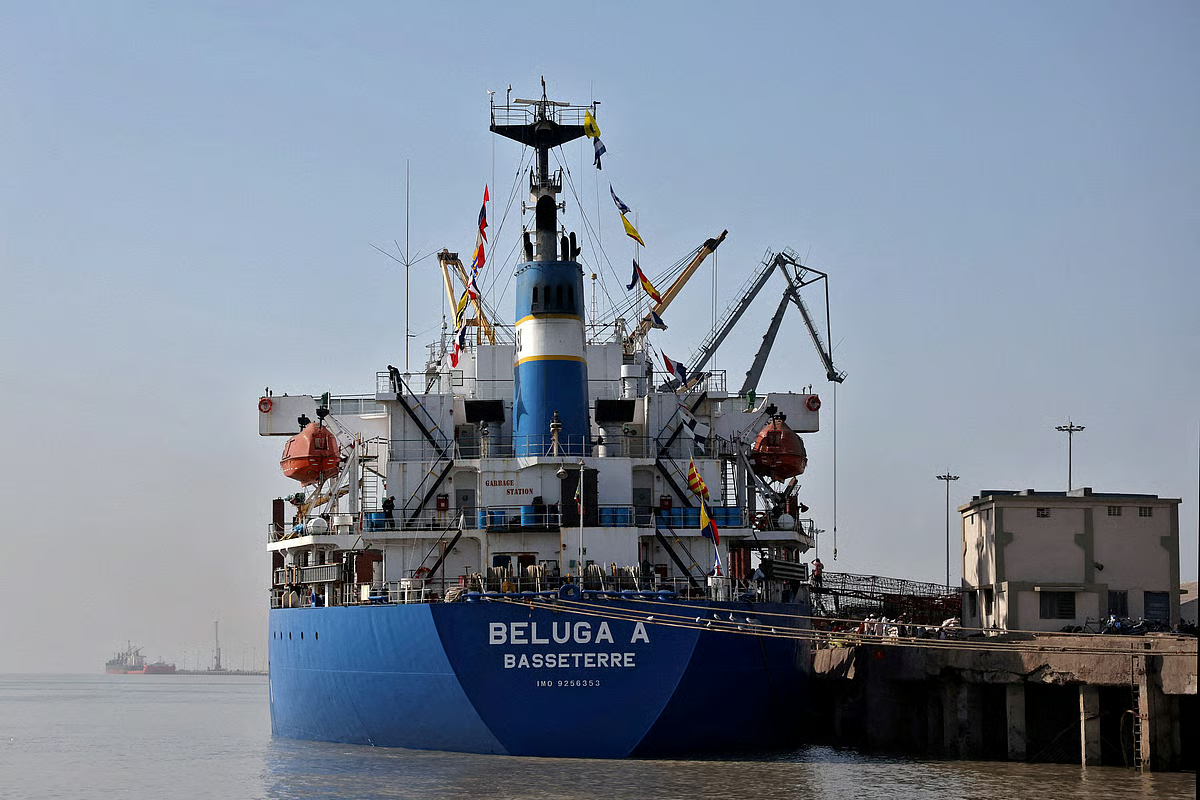
This dynamic creates a challenging environment for many businesses. Steve Juneau, an analyst at Bank of America Securities, suggested in a May note to clients that persistently high oil and gas costs would likely lead importers to use tariff rebates to cover increased freight expenses. He also speculated that any consumer relief would more likely manifest as slower price hikes rather than direct benefits, potentially acting as a modest disinflationary force ahead of midterms. Rebecca Homkes, a lecturer at the London Business School, articulated this ongoing struggle, observing that companies are facing a continuous series of economic challenges. “The difficulty is that the hits just keep coming for some of these big companies,” she remarked, highlighting the sequence of inflation, tariff shocks, and the impacts of the Iran War.
Despite the prevailing challenges, some companies are taking steps to pass on benefits to consumers. BJ’s Wholesale Club President and CEO Bob Eddy informed investors in May that tariff refunds would contribute to a half-percent reduction in consumer prices within their stores. This approach reflects a commitment to leveraging any available gains to deliver value to members and build long-term loyalty. Other businesses are focusing on increasing their operational flexibility to manage investor and board anxieties about future geopolitical instability, which might involve pausing spending or enhancing supply chain reliability. While the Iran war continues to be a significant concern, the scope of current tariffs, such as those under Section 122 set to expire soon and Section 301 tariffs targeting specific goods, suggests a less widespread impact compared to the broad IEEPA tariffs of the past.