
How Cape Verde Forged a World Cup Contender from Collective Will

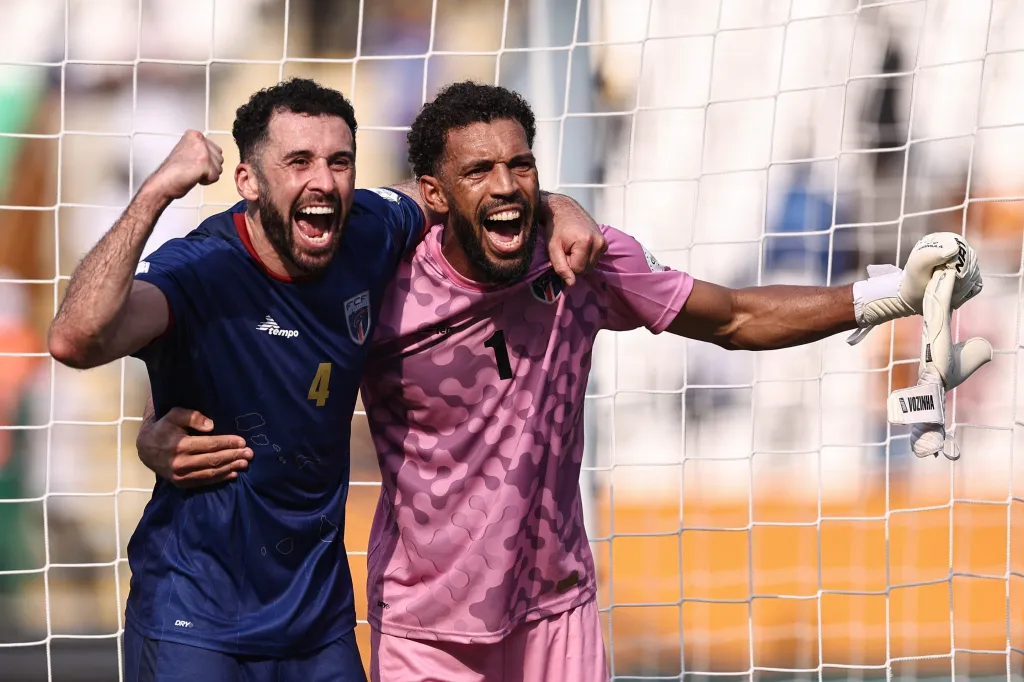
The recent World Cup campaign saw an unexpected narrative unfold, far from the usual dominance of footballing behemoths. While established powerhouses like Germany and the Netherlands made early exits, packing their bags after the first knockout round, a small island nation of roughly 525,000 people captured global attention. Cape Verde, making its tournament debut, not only held former champions Spain and Uruguay to draws but also pushed reigning World Cup champions Argentina to extra time in a thrilling 3-2 defeat. Their journey, culminating in the round of 32, stands as a testament to more than just athletic prowess; it highlights the profound impact of collective belief.
Germany, a four-time world champion, found itself eliminated after a penalty shootout loss to Paraguay, missing three crucial spot kicks. Hours later, the Netherlands, ranked seventh globally and a three-time finalist, suffered a similar fate against Morocco. Both nations experienced what many considered colossal disappointments, exiting the tournament far earlier than anticipated. Yet, as these giants stumbled, Cape Verde continued to defy expectations, advancing from its group unbeaten and demonstrating a resilience that belied its size and footballing pedigree.
The composition of Cape Verde’s squad offered few clues to their potential success on such a grand stage. Their roster was largely drawn from professionals playing in smaller leagues across Europe and the Middle East, including Portugal, Cyprus, Turkey, and Bulgaria. While a handful of players represented clubs like Benfica and Villarreal, the team notably lacked global superstars. This absence of high-profile talent prompts a fundamental question: how did a nation with such limited resources and a nascent football history manage to compete so effectively against the sport’s elite, even outperforming more decorated teams?
The answer, it appears, lies not in luck or a favorable draw, but in a concept known as collective efficacy. This psychological principle, championed by Albert Bandura, suggests that a shared conviction within a group about its ability to achieve common goals can drive extraordinary performance. Research consistently supports this idea, indicating that teams with strong collective confidence are more likely to set ambitious objectives, recover from setbacks, and ultimately triumph over more skilled adversaries whose belief might waver. Talent, in this framework, defines potential, but collective confidence dictates how closely that potential is realized. Crucially, this belief is not a byproduct of victory; it is meticulously cultivated long before the competition begins.
Cape Verde’s strategic approach provides a practical blueprint for any team aiming to build such collective belief. One key tactic involved scouting talent in unconventional places. Unable to compete financially with richer nations, the federation cast its net wide. In 2018, for instance, they reached out to Roberto Lopes, a part-time defender with Cape Verdean heritage working at a Dublin bank, via LinkedIn. Initially dismissed as spam, Lopes eventually joined the team, anchoring a defense that would later hold Spain scoreless in 2026. This exemplifies a discipline of seeking out overlooked talent, recognizing that genius can manifest in many forms.
Furthermore, the team focused on establishing a series of achievable “small wins.” Rather than fixating on the daunting task of beating footballing juggernauts, Cape Verde set incremental goals: holding opponents scoreless for the first 15 minutes, scoring a single goal, securing a point, or advancing from the group stage. Each successful accomplishment built momentum and normalized the previously impossible, creating a powerful chain of confidence. Coach Bubista also prioritized maintaining a light and calm atmosphere, ensuring music and jokes were part of the dressing room routine and allowing for ample recovery time. This deliberate cultivation of ease, far from being a concession, was treated as a vital performance tool, allowing players like midfielder Kevin Pina to approach matches against former world champions with a “heart at peace.”
The connection with their supporters also played a critical role. Cape Verde’s squad drew heavily from a global diaspora, ensuring that the stands in places like Atlanta and Houston were filled with fans who felt a genuine sense of ownership, not just spectatorship. This transformed external pressure into a potent source of motivation. Finally, Coach Bubista consciously avoided creating individual stars, instead fostering a disciplined collective where shared responsibility was paramount. This ensured that no single player’s off-night could derail the entire group, making everyone accountable and strengthening the team’s overall durability, particularly for a squad without marquee names. Cape Verde’s remarkable run serves as a powerful reminder that while talent sets a ceiling, intentional cultivation of collective confidence can elevate a team to truly extraordinary heights, even allowing them to challenge the sport’s established giants.