
Why Investors Are Rethinking Their Portfolios to Sidestep SpaceX and Elon Musk

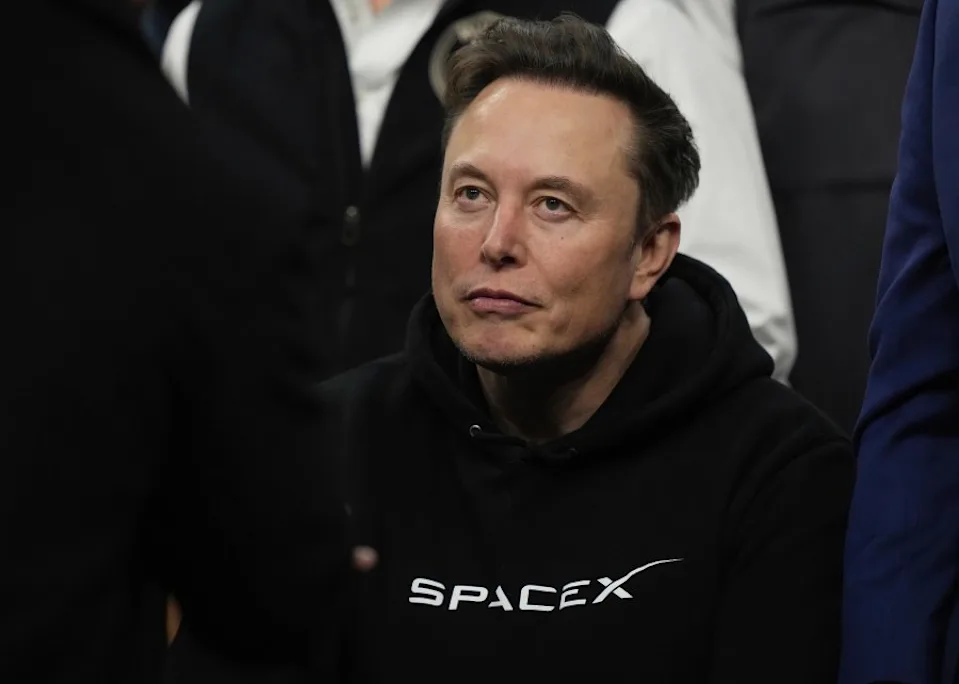
A quiet but determined recalibration is underway in certain investment circles, where the once-unquestioned appeal of high-growth ventures is now being weighed against an emerging set of concerns. While Elon Musk’s ventures, particularly SpaceX, have long been darlings of the venture capital world and private equity, a growing cohort of investors is actively exploring strategies to minimize or even eliminate their exposure. This isn’t a broad market trend, nor is it a judgment on the technological prowess of companies like SpaceX, but rather a nuanced response to evolving governance standards, perceived reputational risks, and the highly personalized nature of leadership at the helm of these enterprises.
For some institutional investors, the primary driver is increasingly stringent Environmental, Social, and Governance (ESG) criteria. While SpaceX’s innovations in space travel are undeniably transformative, the broader portfolio of Musk’s endeavors, including aspects of his social media ownership and the public discourse surrounding it, presents a complex picture. Investment committees, under pressure from limited partners and public opinion, are scrutinizing what constitutes “social” and “governance” more closely than ever before. This includes everything from workplace culture allegations to the stability and predictability of leadership, which can be seen as less conventional than what traditional blue-chip companies offer.
The challenge for these investors is often indirect exposure. Many large funds hold diversified portfolios that include other funds, which in turn might have direct stakes in SpaceX or other Musk-led companies. Untangling these connections requires significant due diligence, often involving detailed conversations with general partners about their underlying holdings and risk assessments. This isn’t about divesting from a publicly traded stock; it’s about navigating a labyrinth of private placements and fund-of-funds structures where direct control over specific company exposure is limited. The process involves identifying where capital ultimately flows and then making strategic decisions about future allocations or even engaging with existing managers to express concerns.
Beyond ESG, the sheer concentration of influence and decision-making within a single individual, Elon Musk, presents a unique risk profile for some. While charismatic leadership can drive innovation and rapid growth, it also introduces a level of idiosyncratic risk that diversified portfolios typically seek to mitigate. Public statements, personal conduct, and rapid strategic shifts, while perhaps an integral part of the entrepreneurial spirit, can create volatility and unpredictability that clashes with the long-term, stable growth objectives of certain pension funds or endowments. They are seeking predictable returns and a clear investment thesis, which the dynamic and often tumultuous environment surrounding Musk’s ventures can sometimes complicate.
This strategic distancing is not a universal condemnation, nor does it imply a lack of belief in the technological potential of SpaceX. Many still view the company as a pivotal force in the aerospace industry, pushing boundaries in a way few others can. Instead, it reflects a maturation of the private markets and a more sophisticated approach to risk management, where “growth at all costs” is being re-evaluated against a broader spectrum of considerations. Investors are increasingly asking not just “will it make money?” but “how will it make money, and what are the associated non-financial risks?” The scramble, therefore, is less about outright rejection and more about prudent portfolio construction in an increasingly complex and interconnected investment landscape where the personal brand of a founder can carry significant weight, both positive and negative.
Related Posts

Sponsored Content

Sponsored Content