
China Challenges US Over Military Allegations Against Its Leading Corporations

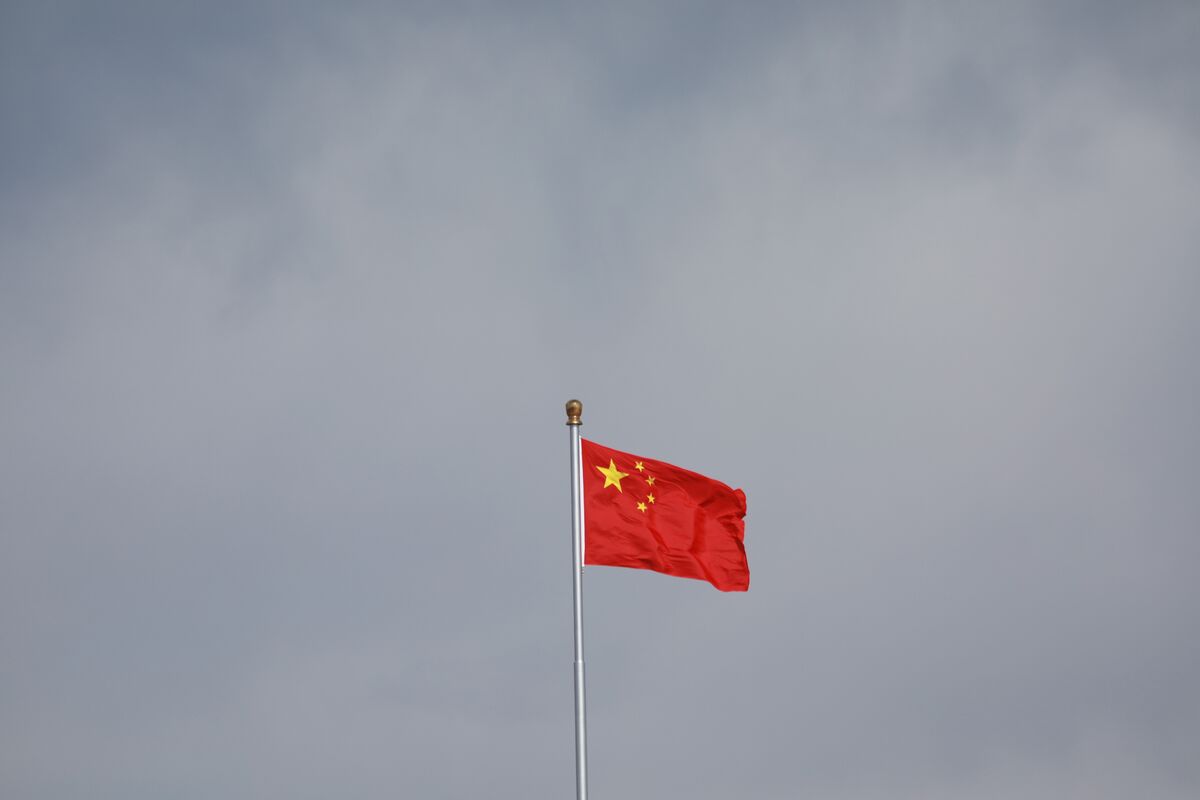
Beijing has voiced strong disapproval regarding the United States’ continued practice of designating several prominent Chinese companies as having ties to its military. This diplomatic friction resurfaced following recent actions by Washington, which have placed these firms under scrutiny, impacting their operational capabilities and market access in certain spheres. The Chinese Ministry of Foreign Affairs has consistently argued that these classifications are unfounded and serve primarily as a means to suppress the growth of its technology and industrial sectors.
The US Department of Defense periodically updates a list of companies it believes are owned or controlled by, or otherwise affiliated with, the People’s Liberation Army. Inclusion on this list often triggers various restrictions, including prohibitions on American investment. For companies like Huawei, Semiconductor Manufacturing International Corporation (SMIC), and drone manufacturer DJI, among others, these designations have led to significant challenges in sourcing components, accessing US markets, and attracting capital from international investors. Chinese officials contend that such measures are protectionist and violate principles of fair competition and international trade.
Chinese commerce spokespersons have characterized the American actions as a deliberate attempt to politicize economic and trade issues. They argue that many of the companies targeted are private entities engaged in civilian activities, contributing to global innovation and economic development. The narrative from Beijing emphasizes that these firms operate within legal frameworks and that the US government has failed to provide sufficient public evidence to substantiate its claims of military connections, beyond broad assertions of national security interests.
This ongoing dispute is not an isolated incident but rather a recurring theme in the broader economic and technological rivalry between the two global powers. The US has frequently cited concerns over intellectual property theft, forced technology transfers, and the potential for Chinese state-backed companies to undermine global security through their products and services. Conversely, China views these accusations as part of a strategy to contain its technological advancement and maintain American dominance in key industries.
The ramifications extend beyond the immediate financial and operational hurdles faced by the listed companies. It fuels uncertainty among international investors and businesses operating in both markets, forcing them to navigate an increasingly complex geopolitical landscape. Companies with dual exposure to the US and China find themselves in a precarious position, often pressured to choose sides or face potential repercussions in either jurisdiction. This environment of heightened tension complicates supply chains and global economic integration.
Looking ahead, there appears to be little indication of an immediate resolution to this particular point of contention. Both nations seem entrenched in their respective positions, with the US maintaining its stance on national security and China steadfastly defending its corporate entities. The ongoing dialogue between Washington and Beijing, often characterized by sharp exchanges, suggests that these designations will remain a significant feature of their bilateral relationship, continuing to shape global trade and technology policies for the foreseeable future.
Related Posts

Sponsored Content

Sponsored Content