

Middle East Conflict Drives Dubai Crude Prices Higher, Leaving Asia Scrambling

The price of crude oil has seen a significant escalation since the onset of the Iran war, a development particularly acute for energy markets in Asia. Benchmark Dubai crude has experienced a pronounced spike, reflecting a competitive scramble among nations heavily reliant on Middle Eastern oil. This rising demand for what is now a diminishing supply has created a challenging environment for major importers.
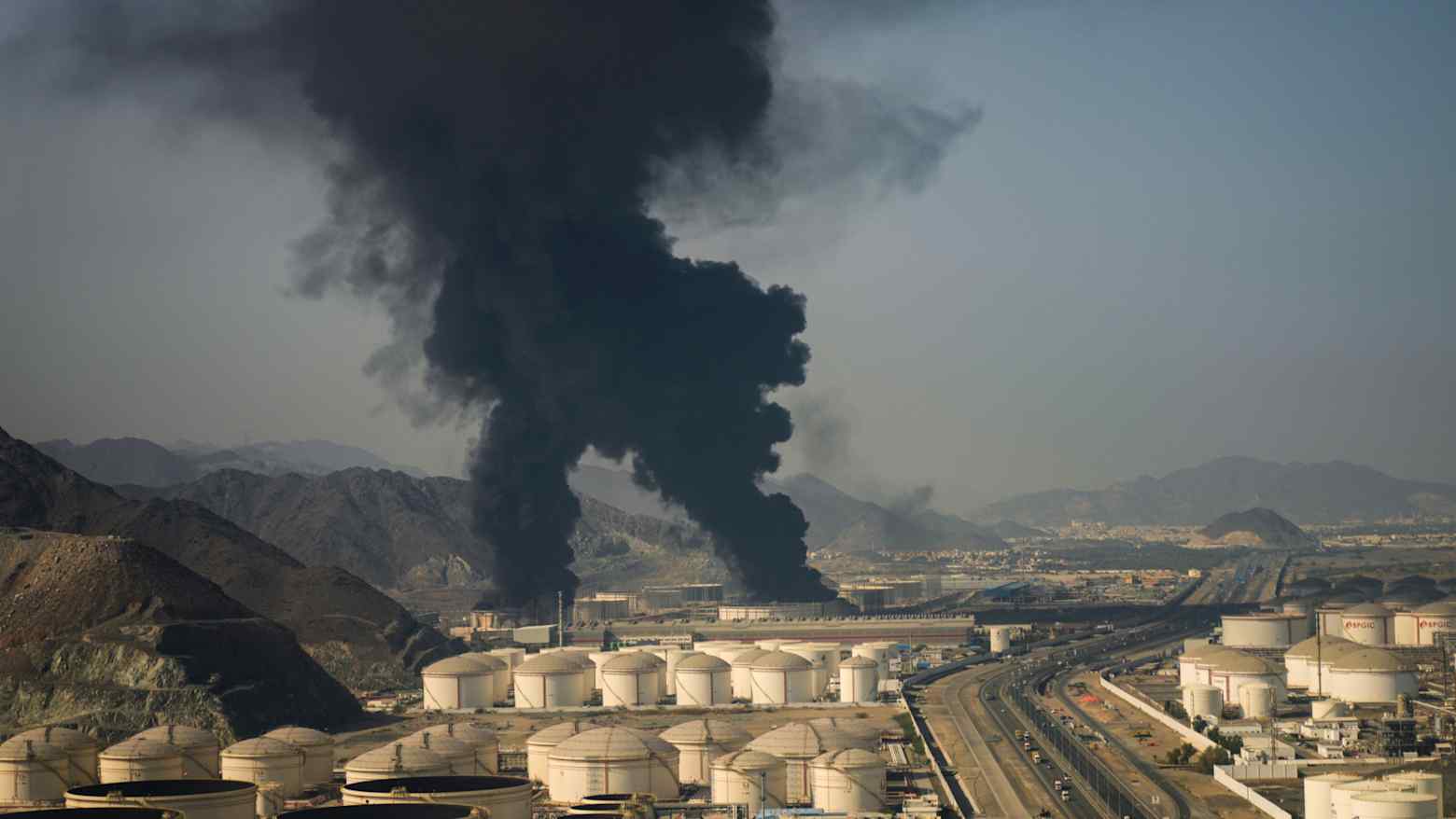
Japan, for instance, finds itself in a precarious position, historically depending on the region for a staggering 90% of its oil imports. This deep reliance now compels the nation to actively seek out alternative sources, a strategic pivot driven by both current market volatility and long-term energy security concerns. The plumes of smoke observed rising from an oil facility in Fujairah, United Arab Emirates, on March 14, served as a stark visual reminder of the ongoing tensions and their potential impact on vital infrastructure.
Such geopolitical events frequently translate directly into economic pressures, with the cost of energy rippling through various sectors. For countries like Japan, where industrial output and daily life are inextricably linked to stable and affordable energy, the search for diversification becomes not merely a policy goal but an urgent imperative. The global energy landscape is undergoing a rapid recalibration, forcing traditional importers to reassess their supply chains and forging new partnerships in an effort to mitigate risks.
The competitive bidding for available Middle Eastern crude is a direct consequence of reduced supply coupled with sustained demand. This dynamic inevitably pushes prices upward, creating a seller’s market and putting additional strain on national economies that are already navigating other global economic headwinds. The long-term implications of this shift extend beyond immediate price hikes, potentially reshaping trade relationships and investment in energy infrastructure worldwide.
As nations vie for secure energy futures, the focus on sustainable and domestically sourced alternatives is also likely to intensify. While the immediate challenge remains securing existing crude supplies at manageable prices, the current crisis serves as a powerful catalyst for accelerating transitions toward more resilient energy portfolios. The pressures emanating from the Middle East are not just altering the cost of oil; they are fundamentally reshaping global energy strategy.

Previous Post
Next Post
Sponsored Content

Sponsored Content