
South Korea and Japan Face Economic Headwinds as Middle East Tensions Escalate

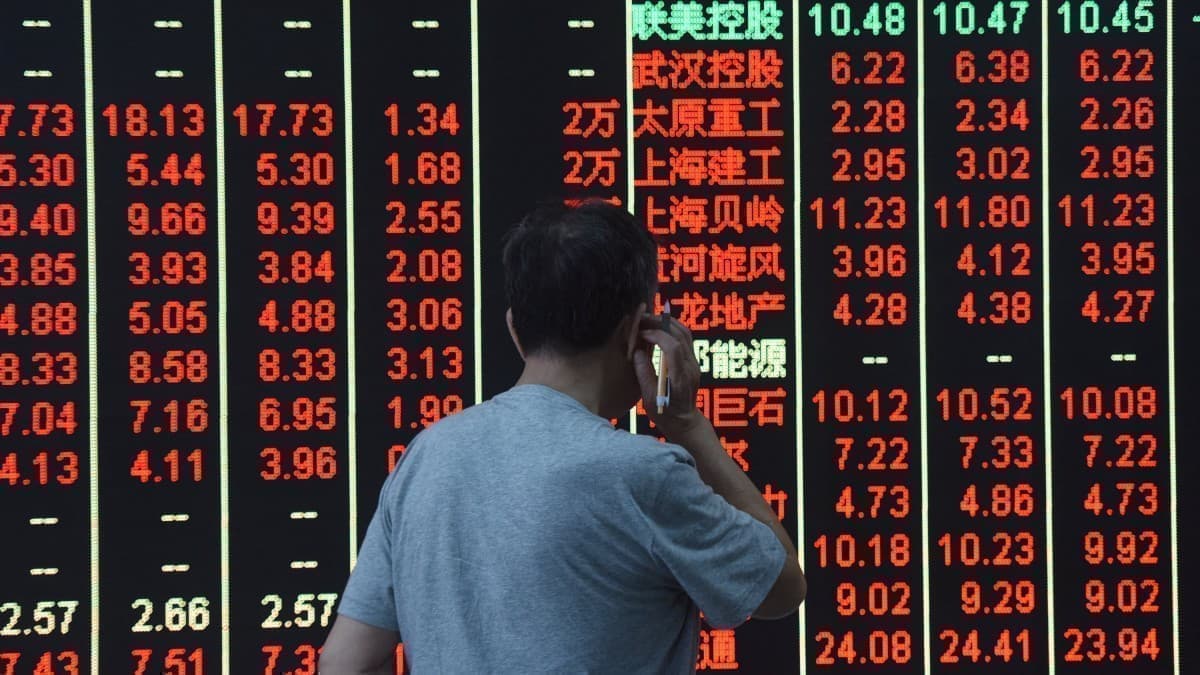
Asian equity markets experienced a significant downturn on Monday, reflecting mounting concerns over the economic implications of an escalating conflict between the United States, Israel, and Iran. The ripple effects of this geopolitical instability were immediately apparent in commodity markets, with crude oil prices registering a sharp increase. This surge in energy costs casts a long shadow over economies heavily reliant on oil imports, particularly those in East Asia.
The immediate market reaction saw major indices across the region fall, with South Korea and Japan leading the decline. Investors are grappling with the prospect of a protracted conflict in the Middle East, a scenario that threatens to disrupt global supply chains and push inflation higher. This anxiety is compounded by the fact that approximately 95% of Japan’s oil requirements are met by imports from the Middle East, making its economy particularly vulnerable to any sustained disruption in the region’s oil production or transport routes. The specter of higher energy bills for businesses and consumers alike is a significant drag on economic sentiment, potentially dampening growth prospects in an already uncertain global environment.
The broadening scope of tensions across the Middle East is a key factor contributing to market unease. What began as localized skirmishes now risks evolving into a wider regional confrontation, a development that could have far-reaching consequences beyond just oil prices. Shipping lanes, critical for international trade, could face increased risks, further complicating logistics and adding to costs. This interconnectedness means that geopolitical events, even those thousands of miles away, can quickly translate into tangible economic pressures for nations worldwide.
Analysts are now closely watching how major central banks will respond to these inflationary pressures. Should energy prices remain elevated, policymakers might face difficult choices between supporting economic growth and combating inflation. For export-oriented economies like South Korea and Japan, a slowdown in global demand due to higher energy costs and heightened uncertainty could significantly impact their trade balances and industrial output. The complex interplay between geopolitical events, commodity markets, and monetary policy decisions creates a volatile landscape for investors and businesses alike.
The current market volatility underscores the fragility of the global economic recovery in the face of unforeseen geopolitical shocks. While the immediate focus remains on the trajectory of oil prices and the direct impact on import-dependent nations, the broader implications for global trade, investment flows, and consumer confidence are also coming into sharper focus. The coming weeks will be crucial in determining whether these tensions can be de-escalated or if the world economy is indeed heading for a more prolonged period of uncertainty driven by events unfolding thousands of miles away.

Sponsored Content

Sponsored Content