
Taiwan Approves Substantial Defense Budget Amid Rising Regional Tensions with China

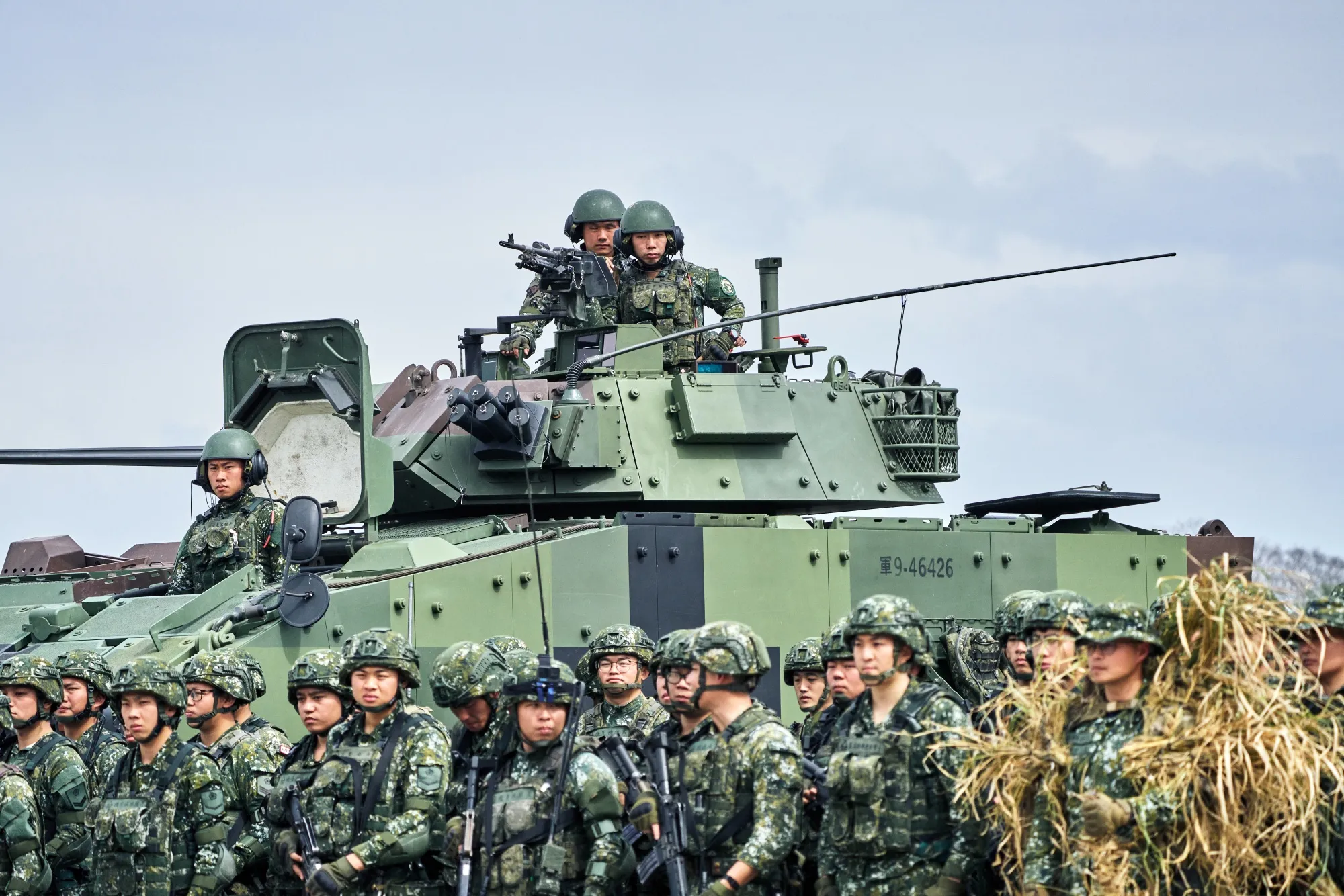
Taipei has formally approved a defense budget amounting to $25 billion, a significant allocation intended to bolster the island’s defensive capabilities against potential threats, particularly from mainland China. The legislative action follows months of deliberation and reflects a sharpened focus on national security as geopolitical dynamics in the Indo-Pacific continue to evolve. This financial commitment represents a substantial increase in military spending, signaling a clear intent to modernize and expand Taiwan’s armed forces.
The newly ratified budget is earmarked for a range of initiatives, including the acquisition of advanced weaponry, enhancement of training programs, and the development of indigenous defense technologies. Specific procurements are expected to include more sophisticated missile systems, improved air defense assets, and upgrades to naval vessels. Analysts suggest that a portion of these funds will also be directed towards cyber warfare defenses, recognizing the multifaceted nature of contemporary security challenges. The emphasis on self-reliance in defense manufacturing is a recurring theme in discussions surrounding this budgetary increase, aiming to reduce dependence on foreign suppliers over the long term.
Lawmakers in Taipei emphasized that the increased spending is a necessary measure to maintain peace and stability across the Taiwan Strait. They argue that a robust defense posture serves as a critical deterrent, discouraging any aggressive actions and preserving the status quo. Public discourse surrounding the budget has largely centered on the imperative of safeguarding national sovereignty and democratic principles in the face of ongoing cross-strait tensions. Officials have consistently articulated that the defense investment is purely defensive in nature, designed to protect Taiwan’s 23 million residents.
Observers in Beijing have predictably voiced their disapproval of Taiwan’s defense spending hike, reiterating their long-held stance on the island’s status. State media outlets have characterized the move as provocative and an unnecessary escalation. However, international security experts largely view Taiwan’s budget approval as a pragmatic response to a perceived and persistent threat. The United States, a key informal ally and arms supplier to Taiwan, has previously encouraged such investments, often citing the Taiwan Relations Act as the foundation for its commitment to the island’s self-defense.
The implications of this heightened defense spending extend beyond military hardware. It is anticipated to stimulate Taiwan’s domestic defense industry, potentially creating jobs and fostering technological advancements within the country. Furthermore, the commitment of such a substantial sum underscores a collective resolve within Taiwan to prepare for a range of contingencies. This budgetary decision is not merely about purchasing weapons; it reflects a broader strategic recalibration in how Taiwan intends to secure its future in an increasingly complex regional environment. The allocation sends a clear message about Taiwan’s determination to protect its autonomy and deter any external aggression, aiming to ensure that the delicate balance of power in the region is maintained through strength and readiness.

Sponsored Content

Sponsored Content