
Trump Wields Tariffs as His Primary Tool of Economic Power

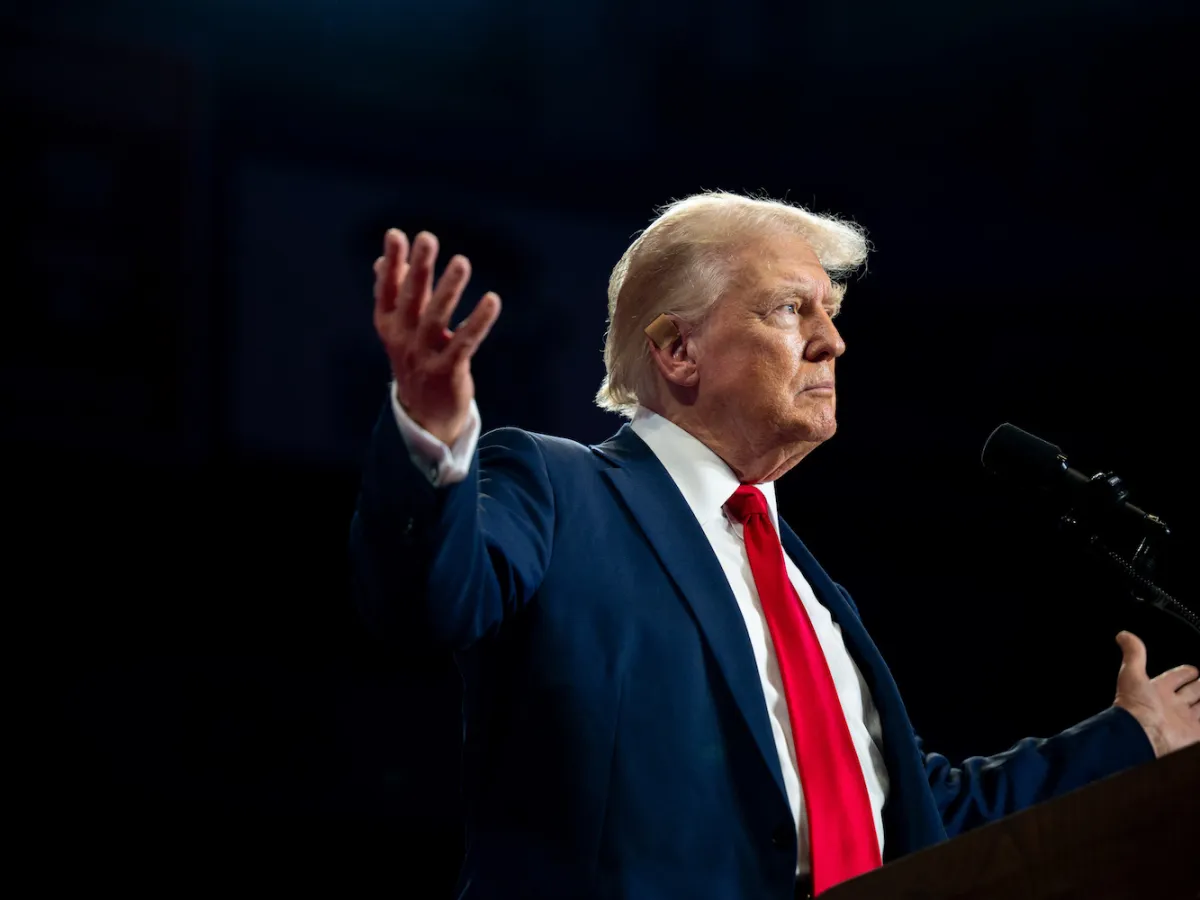
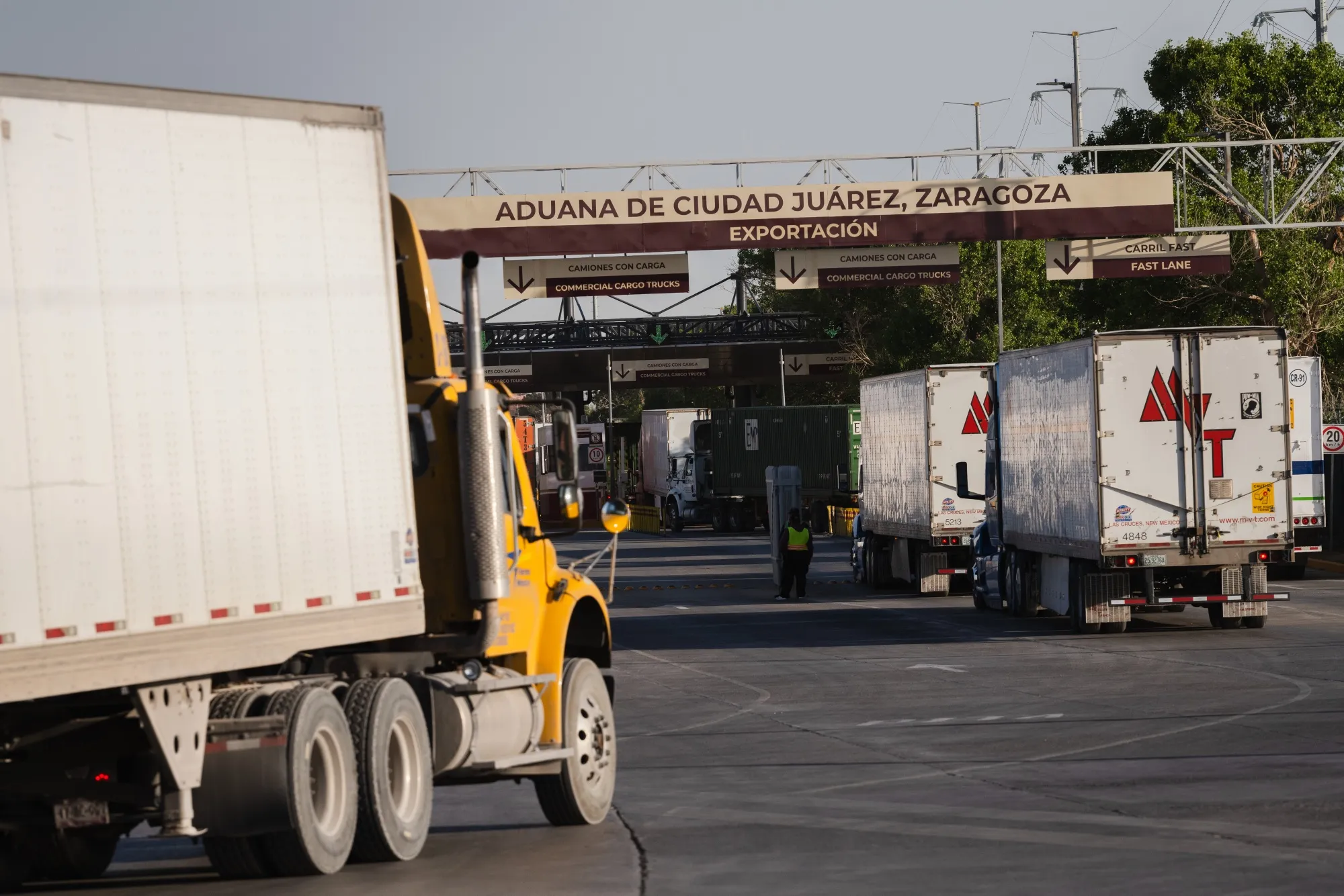
U.S. President Donald Trump is doubling down on tariffs as his preferred tool of economic coercion, signaling a renewed commitment to using trade as leverage in global negotiations.
In recent remarks, Trump outlined his intention to expand tariffs on imports from strategic rivals and even allied nations, framing them as a way to protect American industries and compel foreign governments to concede to U.S. demands.
“Tariffs are my negotiating power,” Trump declared. “They’re the big stick we need to get better deals for America.”
His approach reflects a broader philosophy of wielding economic pressure as a central feature of U.S. foreign and trade policy. While critics warn it risks inflaming trade wars and harming domestic consumers, Trump argues that tariffs strengthen U.S. bargaining positions and have already reshaped global trade dynamics during his tenure.
Analysts say Trump’s strategy signals a shift away from multilateral agreements toward more unilateral, transaction-driven tactics—an approach that could redefine the global economic order if he returns to office.
Related articles: Kevin O’Leary’s $100 Billion Utah Data Center Project Faces Fierce Local Opposition, Panama Canal Sees Soaring US Crude Shipments as Asian Buyers Navigate Global Tensions, Donald Trump Heads to China as Sara Duterte Impeachment Vote Looms and SoftBank Reports Earnings, Despite Global Shifts, Investors Maintain Interest in US Markets, JPM’s Kim Crawford Confirms
Related Posts
Previous Post
Next Post
Sponsored Content

Sponsored Content