
$1 Trillion Scandal? Apple’s China Crisis Hits Global Spotlight

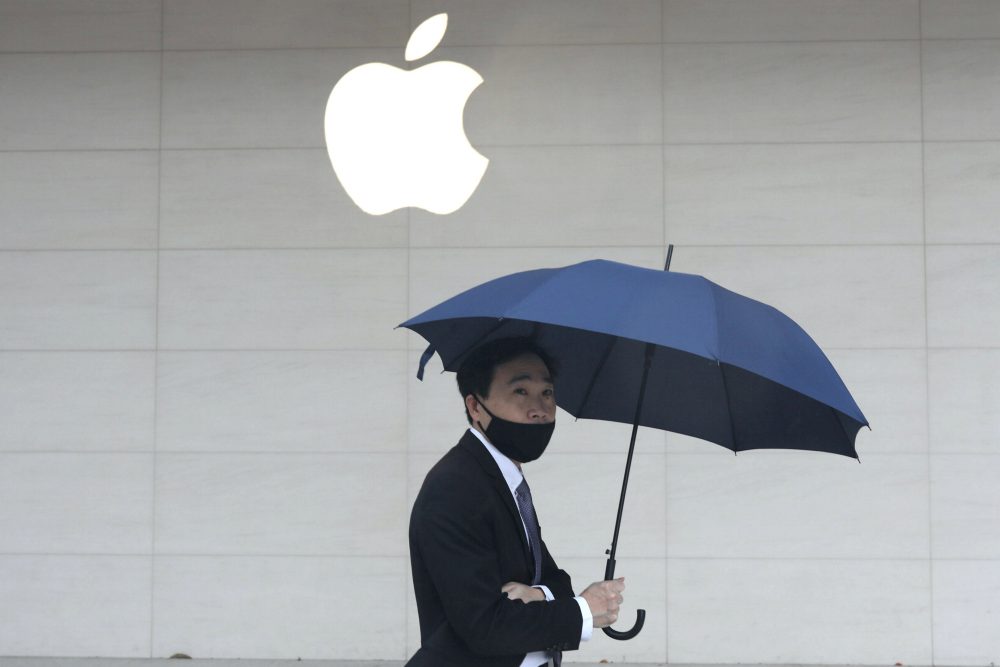
Apple is facing a storm of speculation after viral claims alleged a $1 trillion payment to Chinese President Xi Jinping, supposedly tied to covert agreements securing Apple’s long-term operations in China. While no evidence has been produced to support the explosive figure, the story has brought renewed attention to Apple’s deep reliance on China, where over 90% of its products are manufactured.
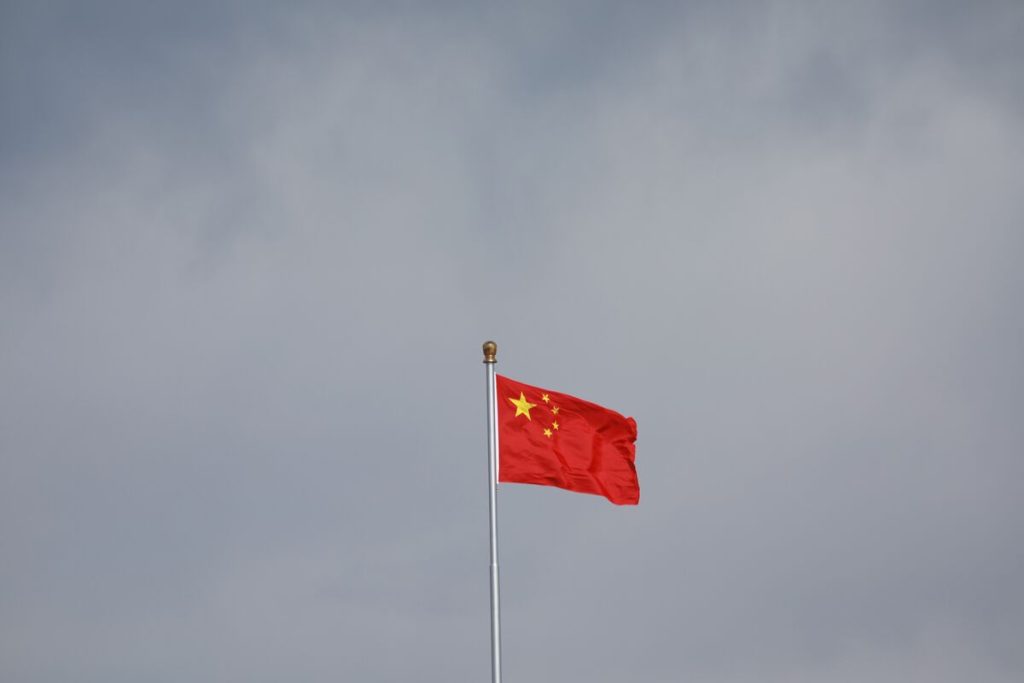
Critics argue that Apple’s global dominance comes with significant geopolitical risk, as its supply chain remains deeply embedded in a country with increasing political and economic tensions with the United States. With rising scrutiny from Washington and growing calls to diversify supply chains, Apple now faces a dual crisis: public skepticism over its entanglement with China and political pressure to shift production elsewhere.
Though the $1 trillion claim lacks credible verification and is viewed by analysts as implausible, it underscores a very real challenge—Apple’s dependence on a single nation for the vast majority of its manufacturing could be its greatest vulnerability in an era of growing U.S.-China decoupling.
Related articles: Kevin O’Leary’s $100 Billion Utah Data Center Project Faces Fierce Local Opposition, How Asia Is Reshaping the Global iGaming Industry and Why 2026 Is the Region’s Most Important Year Yet, Donald Trump Heads to China as Sara Duterte Impeachment Vote Looms and SoftBank Reports Earnings, Taiwan Approves Substantial Defense Budget Amid Rising Regional Tensions with China
Related Posts
Previous Post
Next Post

Sponsored Content

Sponsored Content