
Trump Escalates Greenland Standoff With New Tariffs on NATO Allies After European Troop Deployments

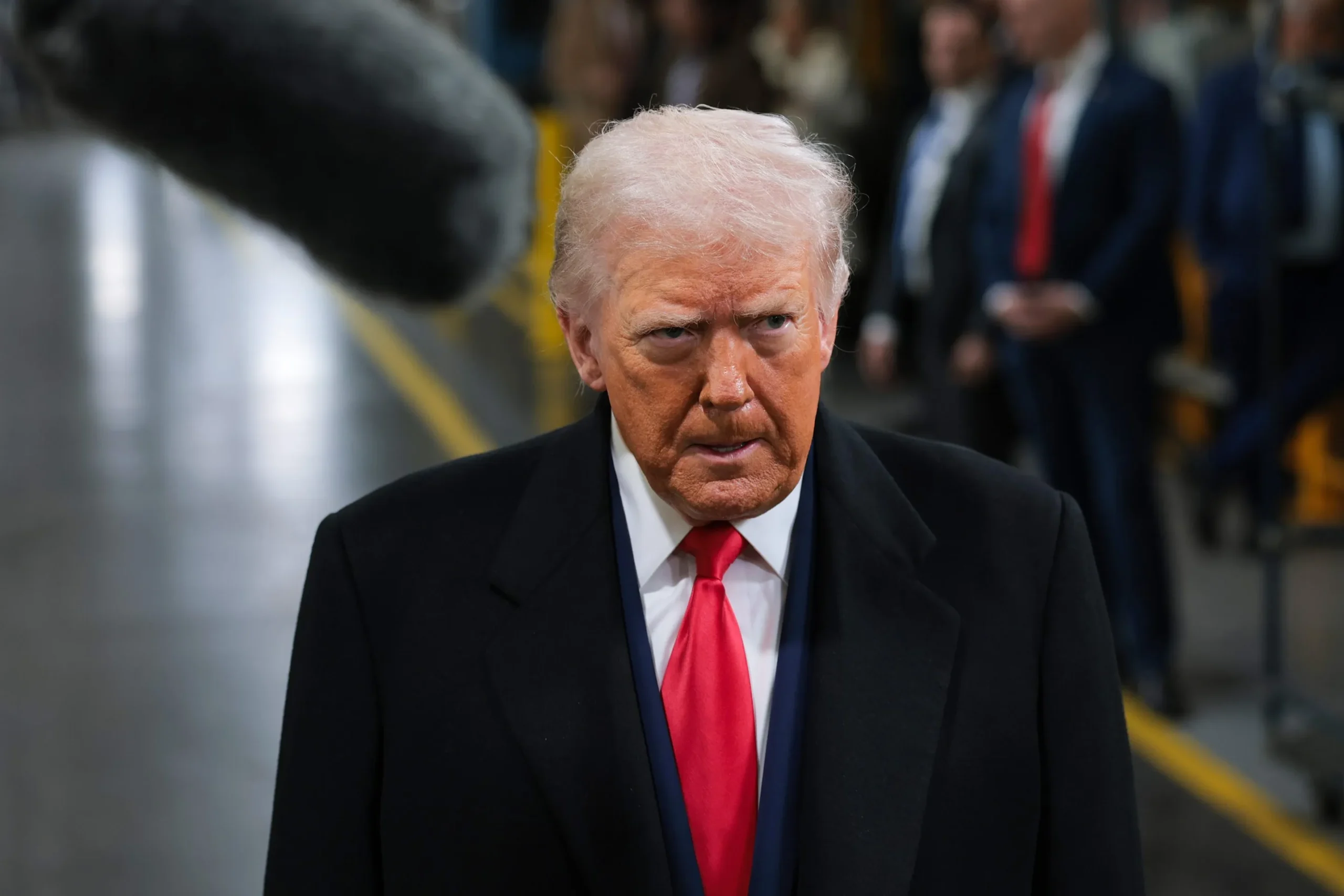
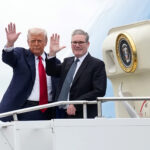
President Donald Trump has initiated a new phase in his administration’s pursuit of Greenland, announcing a substantial tariff increase on several European nations. This move follows the recent deployment of troops by these countries to the semi-autonomous Danish territory. Starting February 1, a 10% tariff will be levied on goods from Denmark, Norway, Sweden, France, Germany, the United Kingdom, the Netherlands, and Finland, escalating to 25% by June 1. The stated condition for the reversal of these tariffs is a “Complete and Total purchase of Greenland.”
This tariff announcement comes on the heels of the aforementioned European nations sending military personnel to Greenland, ostensibly for training exercises, at Denmark’s request. European officials have maintained that these deployments underscore their commitment to Arctic security, particularly in response to perceived threats from China and Russia, rather than as a defense against potential American military action. However, President Trump’s social media statement directly referenced these troop movements, describing them as “a very dangerous situation for the Safety, Security, and Survival of our Planet.” He further characterized the participating countries as “playing this very dangerous game,” creating “a level of risk in play that is not tenable or sustainable.”
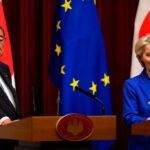
The administration has consistently left open the possibility of both purchasing Greenland and utilizing military options, despite economic assessments suggesting that extracting the island’s oil and rare earth minerals would be a multi-decade, trillion-dollar endeavor. French President Emmanuel Macron, addressing his country’s deployment, emphasized France’s dedication to national independence and Arctic stability. Macron publicly stated that “no intimidation or threat will influence us—neither in Ukraine, nor in Greenland, nor anywhere else,” and declared that “tariff threats are unacceptable and have no place in this context.” He affirmed that Europeans would respond in a “united and coordinated manner” if the tariffs materialize, asserting that European sovereignty would be upheld.
Domestically, the President’s tariff threats have drawn criticism from within his own party. Representative Don Bacon, a Republican from Nebraska, expressed disagreement with what he termed the President’s “heavy handedness,” calling the threat to NATO members “shameful.” Bacon argued that Greenland’s status as part of NATO’s umbrella already provides sufficient grounds for increased American military presence without resorting to coercion. Senator Thom Tillis, another Republican, echoed these concerns, suggesting the tariffs would harm American interests and its allies, while benefiting adversaries like Russia and China who seek to divide NATO. He labeled the notion of “coercive action to seize territory of an ally” as “beyond stupid.”
Despite these internal and external pressures, a recent meeting between White House officials and representatives from Denmark and Greenland reportedly failed to yield any diplomatic breakthrough, with the American stance remaining firm. While Greenland has offered the U.S. military and commercial access, President Trump has continued to insist that only a full acquisition can adequately secure the island and address national security imperatives. He noted that the United States has pursued this transaction for over 150 years, and that “because of The Golden Dome, and Modern Day Weapons Systems… the need to ACQUIRE is especially important.”
This latest tariff threat revives broader trade tensions with the European Union, following a deal in July that imposed a 15% tariff on most EU products and mandated significant European investment in the U.S. economy. The Supreme Court is currently deliberating on the President’s authority to impose tariffs under the International Emergency Economic Powers Act (IEEPA), which underpins many of his global trade actions. A ruling against the administration could significantly reduce the President’s leverage in future trade disputes and potentially impact existing agreements. While the legal basis for these new NATO tariffs remains unspecified, President Trump’s emphasis on national security priorities suggests that these levies may not hinge solely on IEEPA. He highlighted the “Hundreds of Billions of Dollars” being spent on “The Dome” security program, stating that its maximum potential and efficiency depend on Greenland’s inclusion “because of angles, metes, and bounds.”

Related Posts
Previous Post
Next Post

Sponsored Content

Sponsored Content