
Standard Chartered Reaches £1.5 Billion Settlement in Landmark Iranian Sanctions Case in London

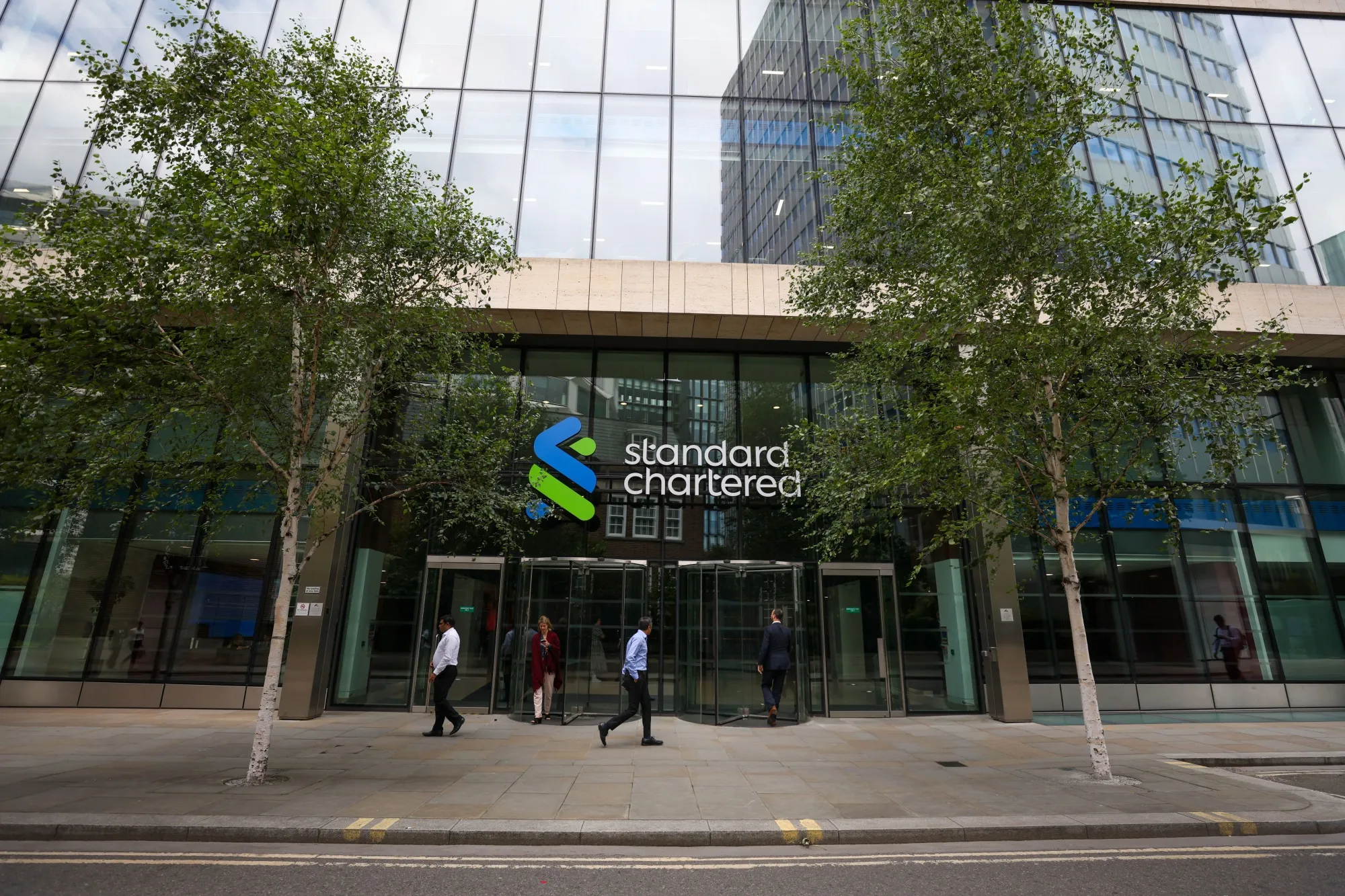
Standard Chartered Bank has agreed to pay £1.5 billion to settle a long-running legal battle in London linked to allegations that the bank facilitated transactions in violation of international sanctions on Iran. The settlement—from one of the largest sanctions-related civil suits ever brought before a UK court—closes a major chapter in the bank’s decade-long struggle with regulators, litigants, and judicial authorities on both sides of the Atlantic.
While Standard Chartered has previously faced fines from U.S. and UK regulators over similar allegations, this case was brought by a consortium of investors claiming financial harm resulting from the bank’s alleged misconduct. The resolution represents one of the most substantial payouts by a British bank in a sanctions-related dispute and underscores the rising legal and financial risks surrounding compliance failures in global finance.
Background: A Decade of Scrutiny Over Iran-Linked Transactions
Standard Chartered has spent more than ten years navigating investigations tied to its historical dealings with Iran. Regulators in the U.S. have previously accused the bank of processing transactions for Iranian entities between 2001 and 2007, allegedly concealing information that would have identified customers as sanctioned counterparties.
The bank has consistently maintained that any violations were unintentional and that it has since overhauled its compliance architecture. However, the allegations generated:
- Multiple rounds of regulatory fines in the U.S.
- Enhanced monitoring agreements
- Extensive remediation programs
- Private litigation from investors claiming financial loss
The newly settled case in London is rooted in investor claims that the bank’s disclosures, risk controls, and sanctions screening were inadequate—resulting in losses when regulatory actions eventually materialized.
The Legal Dispute: Investors vs. Standard Chartered
The group of investors behind the suit alleged that Standard Chartered’s share price was artificially inflated for years because the bank failed to disclose the full extent of its sanctions exposure. When regulatory fines and investigations eventually became public, investors experienced substantial losses, prompting this claim for damages.
The claimants argued that:
- The bank’s public statements understated the scope and seriousness of sanctions breaches
- Standard Chartered should have disclosed risks earlier and more comprehensively
- Investors relied on incomplete information in making financial decisions
- The bank’s conduct constituted misrepresentation under UK securities and tort law
Standard Chartered denied these allegations but opted for a settlement to avoid further litigation costs, operational distraction, and the risk of prolonged reputational harm.
Why the £1.5 Billion Settlement Matters
This is one of the largest investor-driven settlements ever reached in London for sanctions-related allegations. It signals significant shifts in the global financial and regulatory landscape:
1. Rising Exposure for Banks
Financial institutions face increasing legal vulnerability not only from regulators but from private investors empowered to pursue compensation for compliance failures.
2. London’s Expanding Role in Sanctions Litigation
The UK has become a preferred venue for high-stakes litigation involving geopolitical risk, corporate governance disputes, and cross-border financial cases.
3. Tougher Sanctions Enforcement Globally
Western governments are tightening sanctions monitoring amid geopolitical tensions involving Iran, Russia, China, and North Korea. Banks are under unprecedented pressure to ensure robust compliance.
4. Investor Activism on Regulatory Risk
Shareholders are more aggressive in challenging companies whose regulatory missteps erode value, and courts are increasingly willing to hear complex claims tied to international sanctions regimes.
Standard Chartered’s Response and Path Forward
In a statement following the settlement, Standard Chartered emphasized that the agreement does not constitute an admission of liability. The bank reiterated that it has:
- Implemented upgraded sanctions-screening technology
- Strengthened internal controls and governance processes
- Enhanced staff training and compliance culture
- Deepened engagement with regulators to ensure transparency
Analysts say the settlement allows the bank to put legacy issues behind it and re-focus on core growth markets in Asia, Africa, and the Middle East.
A Costly Reminder for the Global Banking Sector
The case serves as a broader warning for multinational banks navigating increasingly complex sanctions frameworks.
Key lessons highlighted by the settlement include:
- Weaknesses in compliance systems can generate liabilities long after alleged violations occur
- Internal disclosures and public filings must anticipate potential regulatory risks
- Even historical breaches can trigger modern litigation with billion-pound consequences
- Investors are more willing to litigate compliance failures as material financial risks
With geopolitical tensions rising and sanctions becoming a primary tool of Western foreign policy, financial institutions must sustain vigilance across every stage of their operations.
Geopolitical Context: Iran Sanctions Back in the Spotlight
The settlement lands at a time when Iran is once again at the center of international sanctions debates.
- Ongoing nuclear negotiations have stalled
- Middle East tensions have escalated
- Western powers have strengthened enforcement of secondary sanctions
- Financial institutions face scrutiny for even inadvertent exposure to Iranian-linked transactions
The renewed geopolitical focus heightens the relevance of Standard Chartered’s case and demonstrates why sanctions compliance remains among the most sensitive areas of global banking.
Conclusion: Settlement Closes a Major Chapter, But Oversight Continues
The £1.5 billion settlement marks a turning point for Standard Chartered, allowing the bank to draw a line under one of the most significant sanctions-related legal disputes in its history. But the broader implications extend far beyond a single institution. As sanctions continue to evolve as an instrument of global policy, banks face escalating expectations—not only from regulators but from shareholders and the courts.
For Standard Chartered, the settlement provides clarity and closure. For the financial industry, it stands as a powerful reminder: in the age of geopolitical risk, compliance failures are not just regulatory issues—they are existential financial threats.

Related Posts



Sponsored Content

Sponsored Content