
South Korea Shipbuilders Gain Ground as US Policy Shifts Orders from China

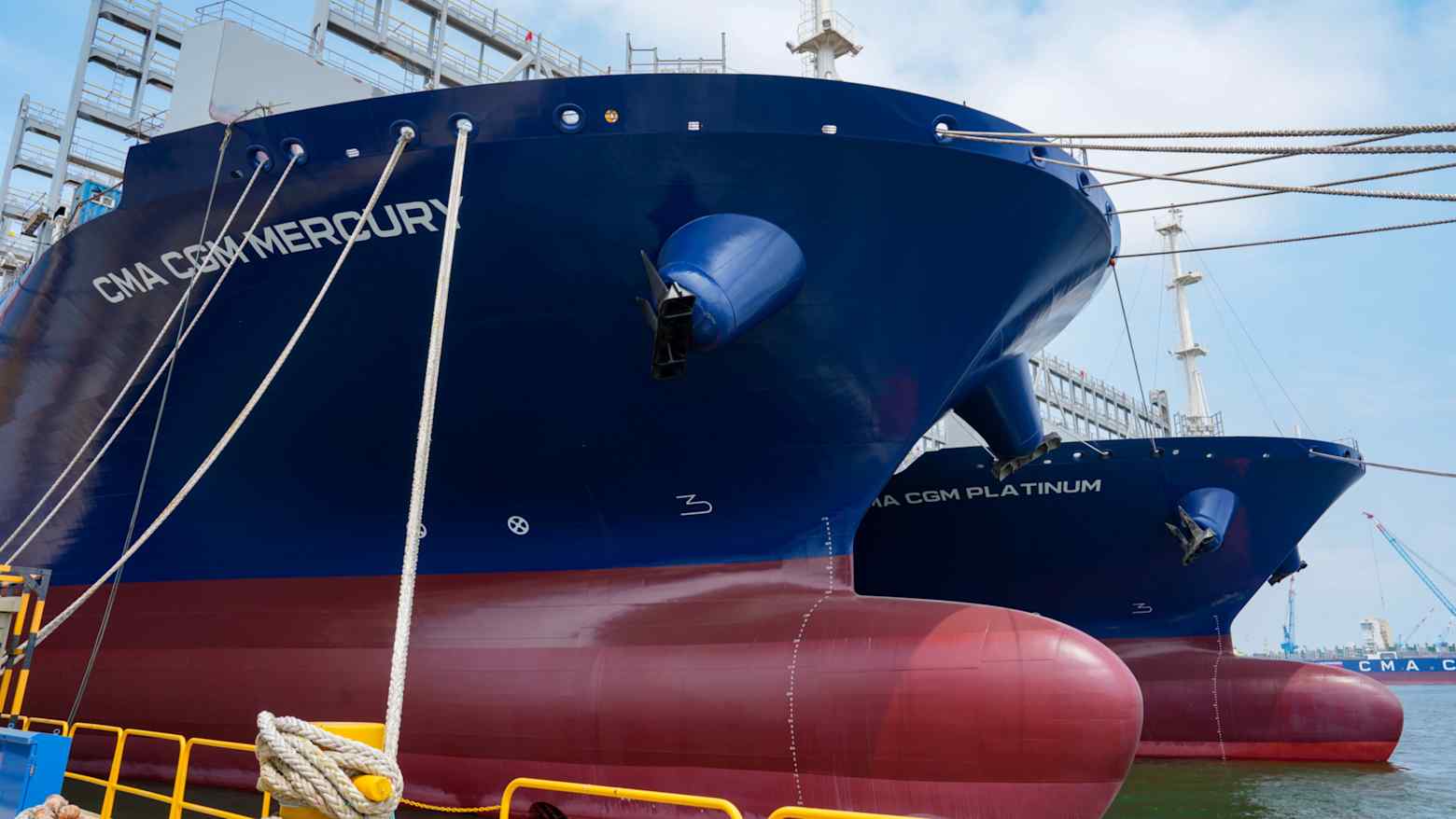
The global shipbuilding landscape is undergoing a notable realignment, with South Korean yards experiencing a surge in new orders. This shift appears to be a direct consequence of recent US restrictions impacting Chinese-made vessels, creating an unexpected boon for competitors like HD Korea Shipbuilding & Offshore Engineering. While China retains its position as the world’s leading shipbuilder, its market dominance is now facing a substantial challenge from South Korea, currently ranked second globally.
This redirection of business is not merely anecdotal; it represents a significant recalibration of supply chains and strategic sourcing within the maritime industry. Shipbuilders in South Korea, including major players like HD Hyundai Samho, are actively collecting orders that might otherwise have gone to Chinese facilities. The implications extend beyond immediate financial gains for Korean companies, suggesting a broader geopolitical undercurrent influencing international trade and manufacturing.
Japan, despite its advanced shipbuilding capabilities, finds itself largely unable to capitalize on this shifting tide. The country’s shipbuilding capacity is reportedly stretched thin, preventing it from absorbing the overflow of orders now being diverted from China. This highlights a critical constraint within the industry: even with demand, a nation’s ability to respond is limited by its existing infrastructure and labor force. The global demand for new vessels remains robust, driven by various factors including fleet modernization and increased shipping volumes, but the capacity to meet this demand is not evenly distributed.
The competitive dynamic between South Korea and China in shipbuilding has always been intense, marked by periods of leadership changes and aggressive market strategies. However, the current situation introduces an external, policy-driven factor that is reshaping the playing field in an unprecedented manner. For South Korea, this moment presents an opportunity to solidify its position and potentially expand its technological lead in specialized vessel construction, such as LNG carriers and advanced container ships, where it often holds an edge.
Industry analysts are closely monitoring how this trend will evolve. The long-term effects of US restrictions on Chinese shipbuilding are still unfolding, but the immediate impact is clear: a measurable increase in orders for South Korean yards. This situation also underscores the interconnectedness of global trade, where policy decisions in one region can have profound and immediate effects on manufacturing sectors thousands of miles away, altering competitive balances and creating new winners and losers in a highly capital-intensive industry.

Previous Post
Next Post


Sponsored Content

Sponsored Content