
Persian Gulf Disruptions Reshape Global Energy Landscape, Benefiting Russia

The shifting dynamics within the Persian Gulf region are quietly recalibrating the global energy map, a transformation that appears to be increasingly advantageous for Russia. While international attention often fixates on immediate geopolitical flashpoints, the underlying currents in energy markets suggest a more profound, long-term reorientation. This strategic repositioning of energy flows and power balances is not an overnight phenomenon but the result of sustained pressures and evolving alliances.
Moscow’s position, particularly regarding its energy leverage, seems to be strengthening amid these shifts. Observers note that disruptions in key oil-producing regions, regardless of their origin, often create ripple effects that can be exploited by other major energy exporters. Russia, with its vast hydrocarbon reserves and established infrastructure, is well-placed to capitalize on any instability that might constrain supply from other significant players. This is not to suggest direct involvement, but rather an opportunistic benefit derived from market volatility and redirected demand.
The intricacies of international energy policy are often debated in forums and through diplomatic channels, yet the tangible outcomes are frequently seen in market trends and trade relationships. Ritesh Kumar Singh, founder and chief executive of policy research at Indonomics Consulting in New Delhi, has highlighted how these Persian Gulf disruptions are indeed contributing to a redrawing of the global energy landscape. His analysis underscores the complex interplay between geopolitics and commodity markets, where regional instability in one part of the world can inadvertently create economic opportunities for nations far removed from the immediate conflict zones.
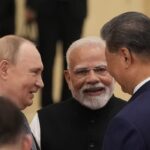
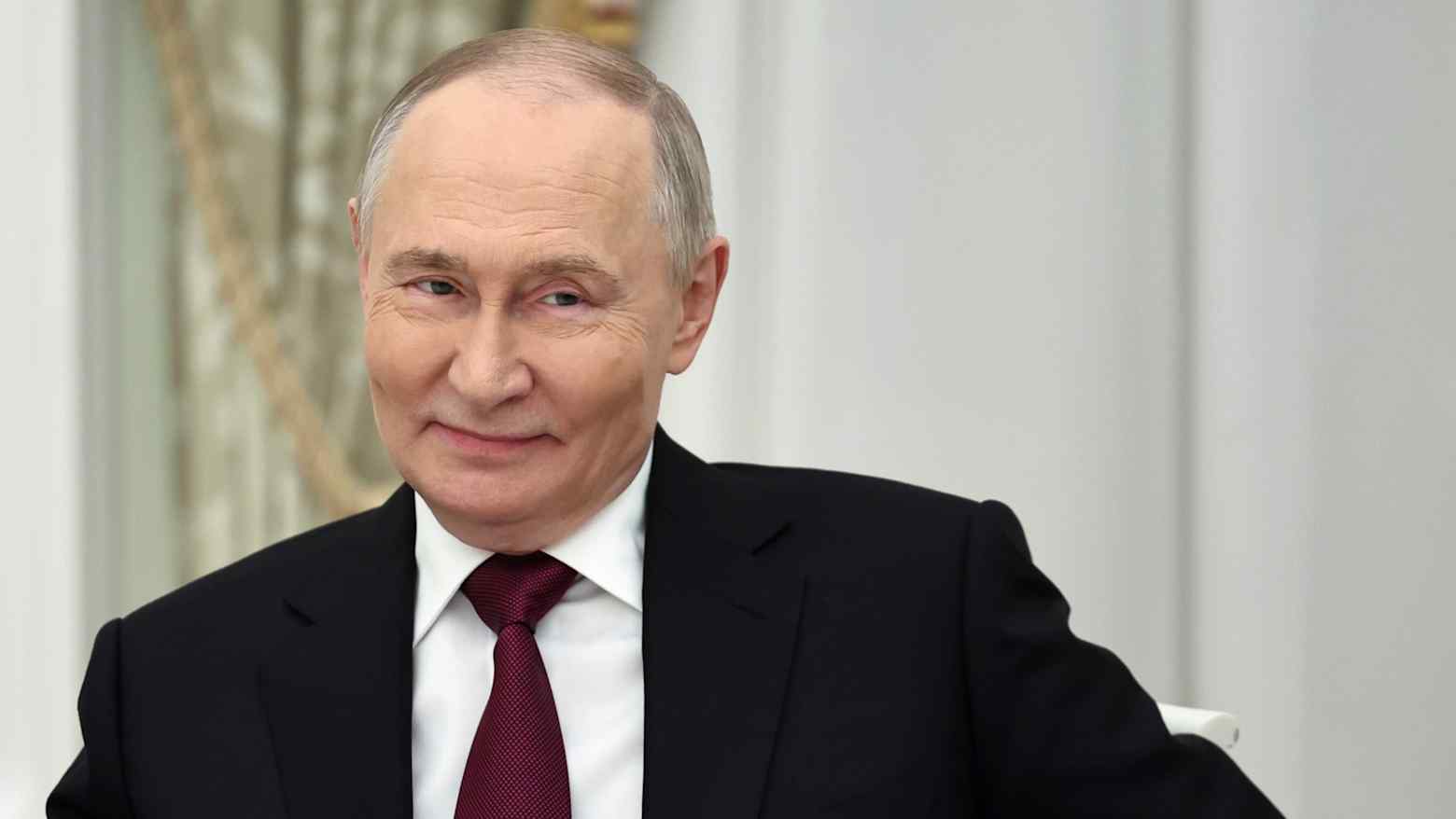
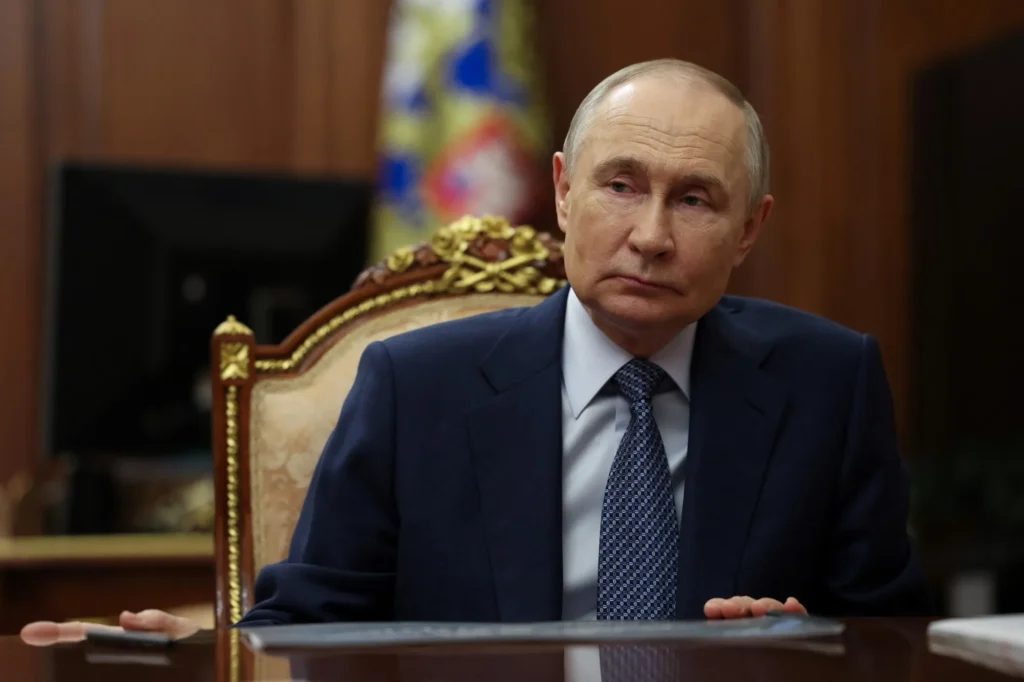
President Vladimir Putin, seen in a December 2, 2025 meeting at the Kremlin, continues to navigate Russia’s strategic interests on the global stage. His administration has consistently sought to reinforce Russia’s role as a pivotal energy provider, a strategy that gains additional traction when other major supply routes face challenges. The confluence of evolving demand patterns, supply chain vulnerabilities, and geopolitical tensions creates a fertile ground for Russia to consolidate its energy market share and influence.
This evolving scenario suggests a subtle but significant recalibration of global energy power. As certain regions experience heightened instability or shifts in production capabilities, the vacuum often draws in alternative suppliers. Russia’s strategic positioning, both geographically and in terms of its energy infrastructure, allows it to fill these gaps, sometimes becoming the preferred or most reliable option for importing nations seeking stable supply. This redirection of energy flows not only impacts immediate market prices but also has long-term implications for energy security and international relations. The intricate dance of supply and demand, coupled with geopolitical realities, continues to shape an energy future where Moscow’s role appears increasingly prominent.

Related Posts
Previous Post
Next Post
Sponsored Content

Sponsored Content