
OPEC+ Freezes Production Hikes for Early 2026 as Global Oil Surplus Looms

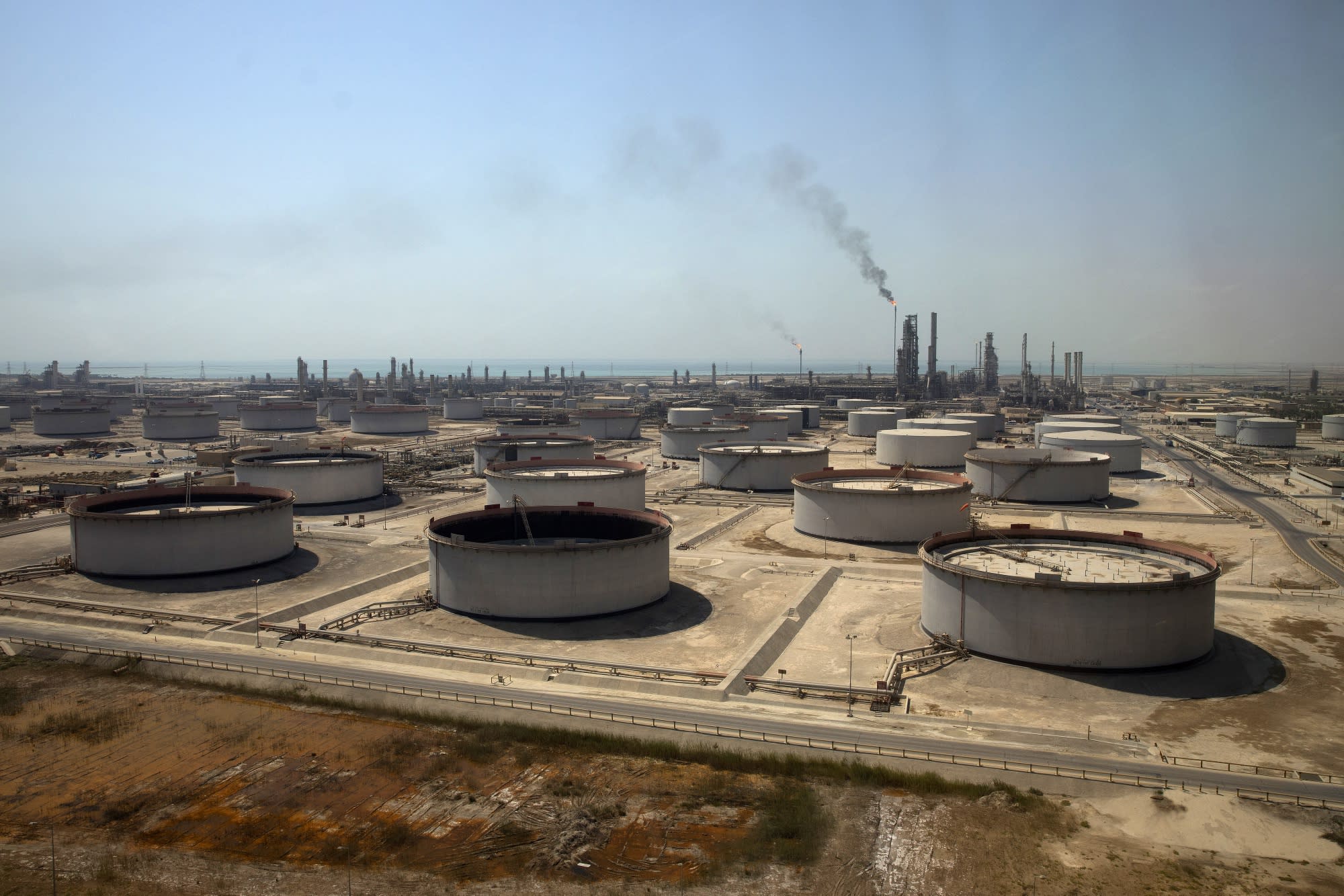
OPEC+ has confirmed that it will pause its scheduled output increases during the first quarter of 2026, citing emerging signs of a growing oil surplus and a rapidly shifting energy demand landscape. The decision underscores the cartel’s increasingly delicate balancing act: stabilizing prices in a volatile global economy while managing internal political pressures and a structural reconfiguration of long-term oil consumption.
The move reflects OPEC+’s commitment to defending market prices amid weakening demand indicators, rising non-OPEC supply, and uncertainties surrounding the global economic outlook. It also highlights the group’s desire to avoid a repeat of the destabilizing price declines seen in past gluts—something that could threaten the fiscal stability of several oil-dependent member states.
The decision to freeze planned supply increases is therefore both a preventative measure and a signal to global markets that OPEC+ is prepared to act decisively to prevent oversupply from eroding prices during a fragile period for the energy sector.
A Rapid Shift Toward Surplus: Why OPEC+ Is Hitting Pause
Although global oil demand continues to grow, the pace is slowing. Several factors have converged to create a looming surplus:
1. Rising Non-OPEC Production
Countries such as the United States, Guyana, Brazil, and Canada have been posting robust production gains. U.S. shale, in particular, remains resilient despite capital discipline, with new drilling efficiencies allowing output to expand even under tighter financing conditions.
2. Slowing Economic Growth
Weak manufacturing data from Europe, slower-than-expected recoveries in China, and softening consumption in emerging markets have raised concerns about global demand softness heading into 2026.
3. Mild Winter and Higher Inventories
A milder winter in the Northern Hemisphere has left inventories above seasonal averages, contributing additional downward pressure on prices.
4. Refinery Maintenance Cycles
Several major refining hubs are entering maintenance periods that temporarily reduce crude intake.
5. Energy Transition Policies
While oil remains dominant, efficiency gains, electrification, and climate policies are moderating the pace of demand growth—changing long-term forecasts in ways that OPEC+ cannot ignore.
The convergence of these factors has led OPEC+ analysts to project a supply surplus for Q1 2026, making output restraint a necessary defensive move.
Saudi Arabia and Russia Aligned on Production Discipline
Two of OPEC+’s most influential members—Saudi Arabia and Russia—have both backed the decision, portraying it as essential to maintaining market balance.
Saudi Arabia’s Position: Price Stability Above All
Riyadh’s priorities are clear:
- preserve prices in the $80–$90 range
- protect government revenues tied to Vision 2030 investments
- avoid the market volatility that hinders foreign investment
- maintain leadership credibility within OPEC+
Saudi Arabia has been the de facto swing producer for several years, shouldering voluntary cuts to support global prices. Its commitment to the Q1 freeze is a continuation of that strategy.
Russia’s Motivations: Sanctions and Export Management
For Moscow, the freeze provides:
- stable revenues amid sanctions pressure
- a reliable geopolitical lever
- time to manage production constraints from aging fields
- a buffer against potential price shocks
Russia remains eager to maintain its influence within OPEC+, even as its role is complicated by geopolitical tensions.
Internal Tensions Remain, but the Bloc Holds Its Line
The OPEC+ alliance includes a diverse set of producers with varying interests. Some—such as the UAE and Iraq—have long pushed for increased quotas to monetize expanding capacity. Others, like Nigeria and Angola, have struggled to meet existing targets due to operational challenges.
Despite these differences, the bloc has reached consensus on maintaining the freeze. Several factors explain this unity:
- the global surplus threat is clear
- prices have shown signs of weakness
- members fear a repeat of 2014 and 2020 price collapses
- internal diplomacy has strengthened under Saudi leadership
This cohesion reflects a pragmatic recognition that short-term discipline is needed to maintain long-term stability.
Market Reaction: Traders Applaud OPEC+ Caution, But Doubts Linger
Oil prices initially found support following the announcement, with traders interpreting the freeze as reinforcement of OPEC+’s willingness to intervene when necessary. But underlying doubts persist.
Bullish interpretations
- supply restraint reduces the risk of oversupply
- OPEC+ remains committed to price defense
- inventories may stabilize as the market tightens
Bearish interpretations
- demand weakness could be worse than expected
- non-OPEC supply growth may overwhelm cuts
- the freeze may not be enough to counter a structural surplus
Market volatility remains elevated as investors weigh short-term fundamentals against longer-term structural shifts.
The Long-Term Outlook: A Tougher Road Ahead for OPEC+
The decision to pause output hikes reflects broader challenges confronting the group:
1. The Rise of Non-OPEC Supply
The U.S. shale industry and new offshore megaprojects threaten OPEC+’s market share. Production growth in countries outside the bloc may continue outpacing demand growth.
2. Slowing Demand Growth
The International Energy Agency (IEA) has repeatedly forecast peak oil demand by 2030. OPEC disputes this, but the trend toward efficiency and electrification is clear.
3. Internal Production Pressures
Some OPEC+ members are investing heavily in new capacity and want higher quotas. Managing these expectations has become increasingly difficult.
4. Geopolitical Risks
Conflicts in the Middle East, Russian sanctions, and supply vulnerabilities all complicate coordinated action.
5. Competition With Clean Energy
As renewable energy costs fall, oil producers face pressure from governments implementing decarbonization policies.
These structural headwinds make OPEC+’s role more complex than in previous decades.
Could the Pause Last Longer Than Expected?
Many analysts believe the Q1 freeze could extend deeper into 2026 if:
- demand disappoints
- inventories continue rising
- U.S. shale output remains strong
- prices fall below fiscal breakeven levels
Saudi Arabia and Russia, the key drivers of the alliance, are unlikely to risk a disorderly market in the face of a sustained surplus.
The Fiscal Stakes: Why OPEC+ Cannot Allow Prices to Slip
Oil revenues remain the financial backbone of many member states. Falling prices could destabilize national budgets, hinder public investment plans, and increase domestic political pressure.
Examples:
- Saudi Arabia needs oil near $85–$90 to fund Vision 2030.
- Russia relies on oil taxes to offset sanctions and war expenses.
- Iraq, Nigeria, Angola, and Algeria all depend heavily on oil revenues to maintain economic stability.
The freeze is therefore not only a market decision—it is a fiscal necessity.
Conclusion: OPEC+ Sends a Clear Message — Stability First
By freezing production increases in early 2026, OPEC+ is choosing stability over ambition. The group recognizes that the global oil market is entering a period of shifting dynamics marked by demand uncertainty, non-OPEC supply strength, and the early phases of the energy transition.
Whether the strategy succeeds will depend on factors beyond OPEC+’s control: global growth, geopolitical risk, technological change, and climate policy. But by acting early to manage a surplus, OPEC+ aims to avoid the mistakes of past cycles and maintain influence in a rapidly evolving energy landscape.
For now, the message is clear:
OPEC+ will defend prices, even if it means slowing the pace of its own growth.

Related Posts
Previous Post
Next Post

Sponsored Content

Sponsored Content