

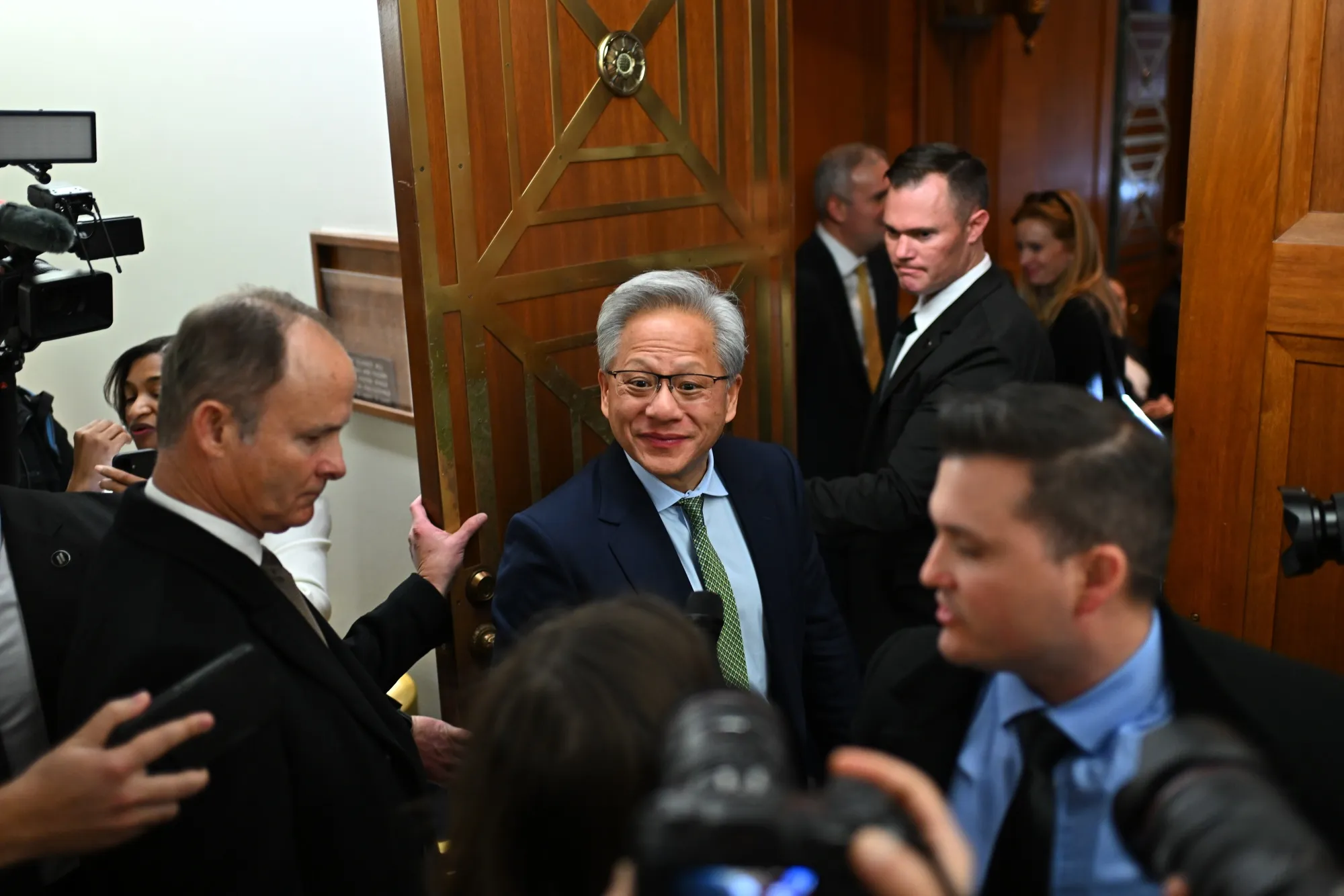
Nvidia’s renewed efforts to penetrate the Chinese market represent a high-stakes maneuver, fraught with geopolitical complexities and significant commercial implications. The company, a dominant force in artificial intelligence chip development, is attempting to re-establish a more robust presence in a critical, albeit challenging, economic landscape. This push comes after a period where U.S. export controls significantly curbed its ability to supply its most advanced processors to Chinese firms, forcing a strategic pivot.
The core of Nvidia’s strategy involves designing specialized chips that comply with U.S. Commerce Department restrictions while still offering competitive performance for Chinese customers. This isn’t a simple task; the balance between compliance and market demand is delicate. Previous attempts, such as the A800 and H800 chips, were engineered to fall below the performance thresholds set by Washington, yet even these have faced scrutiny and potential future tightening of regulations. The ongoing technological rivalry between the United States and China means that any product designed for this market operates under a constant threat of policy shifts.
For Nvidia, the stakes are undeniably high. China remains one of the largest and most rapidly expanding markets for AI development, with substantial investments from both state-backed entities and private enterprises. Ceding this territory entirely would mean surrendering a significant revenue stream and potentially allowing domestic competitors, or other international players less constrained by U.S. policy, to gain an insurmountable foothold. Companies like Huawei, for instance, have been making strides in developing their own AI accelerators, presenting a direct challenge to Nvidia’s historical dominance.
However, the path forward is anything but clear. The U.S. government has repeatedly signaled its intention to limit China’s access to cutting-edge AI technology, viewing it as a matter of national security. This stance creates an environment of perpetual uncertainty for Nvidia, where product roadmaps and sales strategies can be upended by a single policy announcement. Balancing shareholder expectations for growth with the mandates of federal policy requires constant vigilance and a sophisticated understanding of international relations, not just technological prowess.
Furthermore, the perception of Nvidia’s compliance efforts within China itself is a factor. While Chinese companies are eager for advanced chips, there’s also a growing push for self-sufficiency and a potential wariness about relying too heavily on foreign technology that could be cut off at any moment. Nvidia must navigate these sentiments, demonstrating reliability and commitment without appearing to undermine U.S. regulations. It’s a delicate dance, requiring the company to be seen as a reliable partner in both Washington and Beijing, often simultaneously.
The broader semiconductor industry is watching Nvidia’s approach closely. Its success, or lack thereof, in balancing these competing demands could set a precedent for other technology companies grappling with similar geopolitical pressures. The outcome will not only shape Nvidia’s future but also offer a clearer picture of how global technology trade will evolve in an increasingly fragmented world. The company’s ability to innovate within strict boundaries, while maintaining market relevance, will be a defining challenge of the coming years.

Previous Post
Next Post


Sponsored Content

Sponsored Content