
Millionaires and Billionaires Urge Davos Leaders to Boost Taxes on the Super Rich

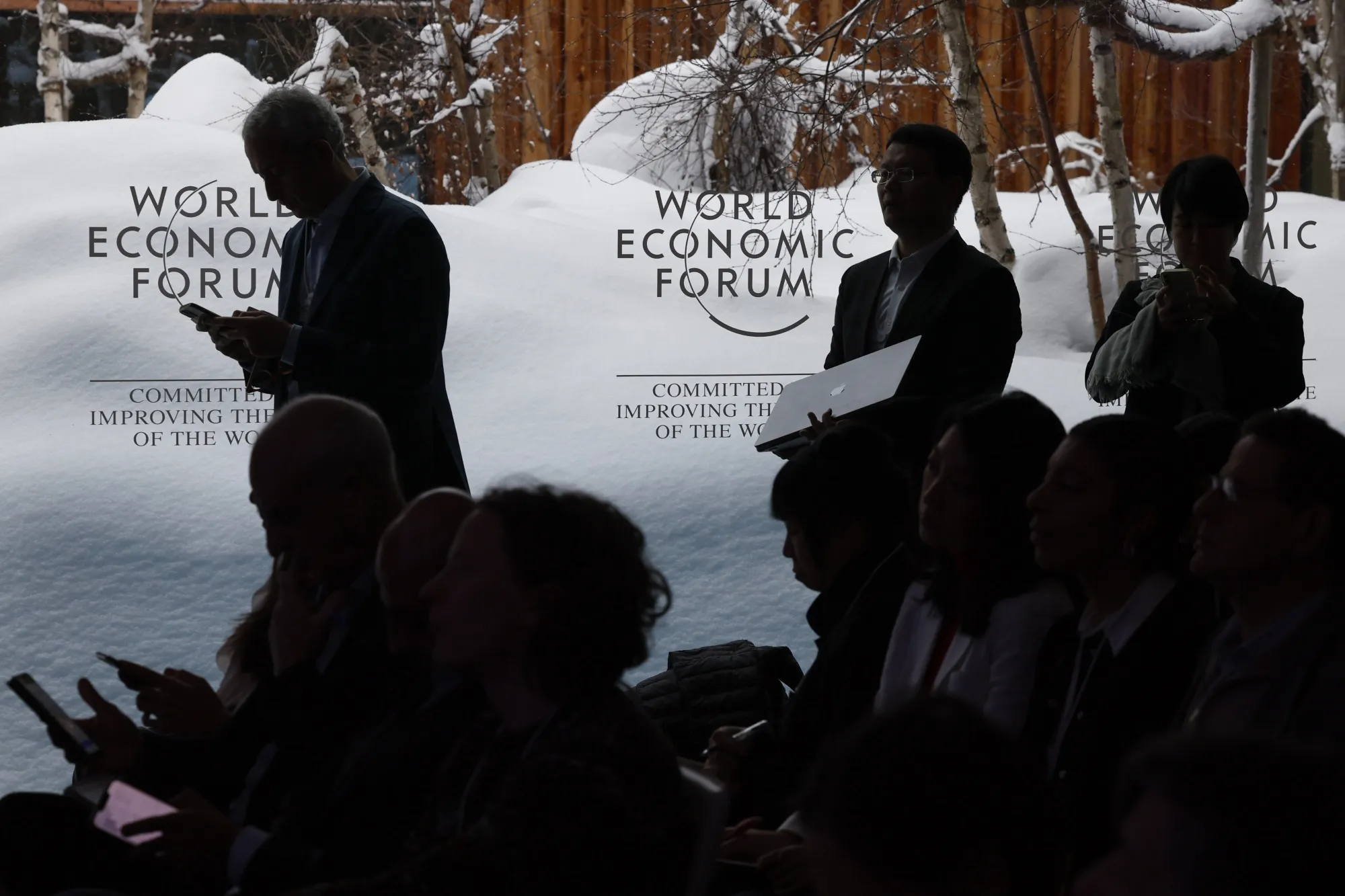
The numbers are staggering. As the world’s elite gathered in Davos, a vocal contingent of the ultra-wealthy, nearly 400 millionaires and billionaires from 24 countries, issued a direct challenge to the prevailing economic narrative. Their message, delivered in an open letter timed for the World Economic Forum, was unambiguous: increase taxes on the super-rich to combat escalating wealth inequality. This sentiment stands in stark contrast to the usual discussions of economic growth and investment that often dominate such summits.
Among the signatories to this extraordinary call for higher taxation were prominent figures like Hollywood actor Mark Ruffalo, Disney heirs Abby and Tim Disney, and real estate developer Jeffrey Gural. Their collective statement declared, “Millionaires like us refuse to be silent. It is time to be counted. Tax us and make sure the next fifty years meet the promise of progress for everyone.” This initiative, part of a broader “Time to Win” campaign spearheaded by organizations such as Patriotic Millionaires, Millionaires for Humanity, and Oxfam, frames extreme wealth as a corrosive force. The letter alleges that it has enabled a select few to exert undue influence over democracies, exacerbate poverty, hinder technological advancement, suppress press freedom, and accelerate environmental degradation.
The campaign is not merely a rhetorical exercise; it is underpinned by a growing recognition of the concentration of wealth. A poll commissioned by Patriotic Millionaires revealed that 77% of millionaires in G20 nations believe the extremely wealthy purchase political influence, with 71% convinced that rich individuals can significantly sway elections. This internal critique from within the ranks of the affluent suggests a deep-seated concern about the systemic implications of unchecked wealth accumulation. The proposed remedy from these wealthy signatories is straightforward: “Tax us. Tax the super rich.” They assert this not as a plea, but as a demand, emphasizing, “As millionaires who stand shoulder to shoulder with all people, we demand it. And as our elected representatives—whether it’s those of you at Davos, local councillors, city mayors, or regional leaders—it’s your duty to deliver it.”
The context for this unusual appeal is a global landscape where millionaire numbers are surging and billionaire wealth is reaching unprecedented levels. In 2024 alone, the United States saw the creation of 379,000 new millionaires, averaging over a thousand every day. This growth contributed to a 1.5% increase in the proportion of Americans in the ultra-wealthy bracket, who collectively held approximately $107 trillion by the end of that year—a sum more than four times their holdings at the turn of the millennium. Globally, the number of millionaires expanded from 13.27 million in 2000 to 52 million by the end of 2024.
Despite the apparent spread of wealth, the reality is a heightened concentration at the very top. Data from the Federal Reserve for 2025 indicates that America’s top 20% of household earners, with an average net worth of $4.3 million, commanded about 71% of the total U.S. wealth by the end of 2024. Conversely, the bottom half of American households, averaging roughly $60,000 in wealth, possessed a mere 2.5% of the nation’s total. This stark disparity underscores the equity crisis that these millionaires and billionaires are attempting to address, suggesting that for the vast majority, joining the ranks of the ultra-rich remains an distant prospect.
Even some of the most prominent philanthropists among the ultra-rich have voiced concerns about the efficacy of current efforts to redistribute wealth. Initiatives like The Giving Pledge, established by Warren Buffett, Melinda French Gates, and Bill Gates, encouraged over 250 billionaires to commit at least half their fortunes to charity. However, Melinda French Gates acknowledged last year that signatories had not given enough, and Buffett himself conceded in a letter to shareholders that many billionaires were not following through on their pledges. He noted that even well-intentioned wealth transfers could be “ill-conceived” or fall short, highlighting the complexities inherent in addressing wealth inequality through voluntary means. This internal reflection from within the wealthiest circles adds another layer to the growing pressure for systemic changes, primarily through increased taxation.

Sponsored Content

Sponsored Content